Campfire Audio, founded in Portland, Oregon in 2015, quickly became one of the most recognized names in the high-end IEM market. The company was started by Ken Ball, who had already built a strong reputation in hifi through ALO Audio. That experience gave Campfire Audio a solid foundation early on.
The company has established itself through its in-house manufacturing and recognizable product designs. Models like the Andromeda and Solaris have become highly regarded within the audiophile community. This succes helped secure Campfire Audio’s position as one of the leading names in the high-end IEM market. After nearly a decade, it has grown into a globally respected brand.
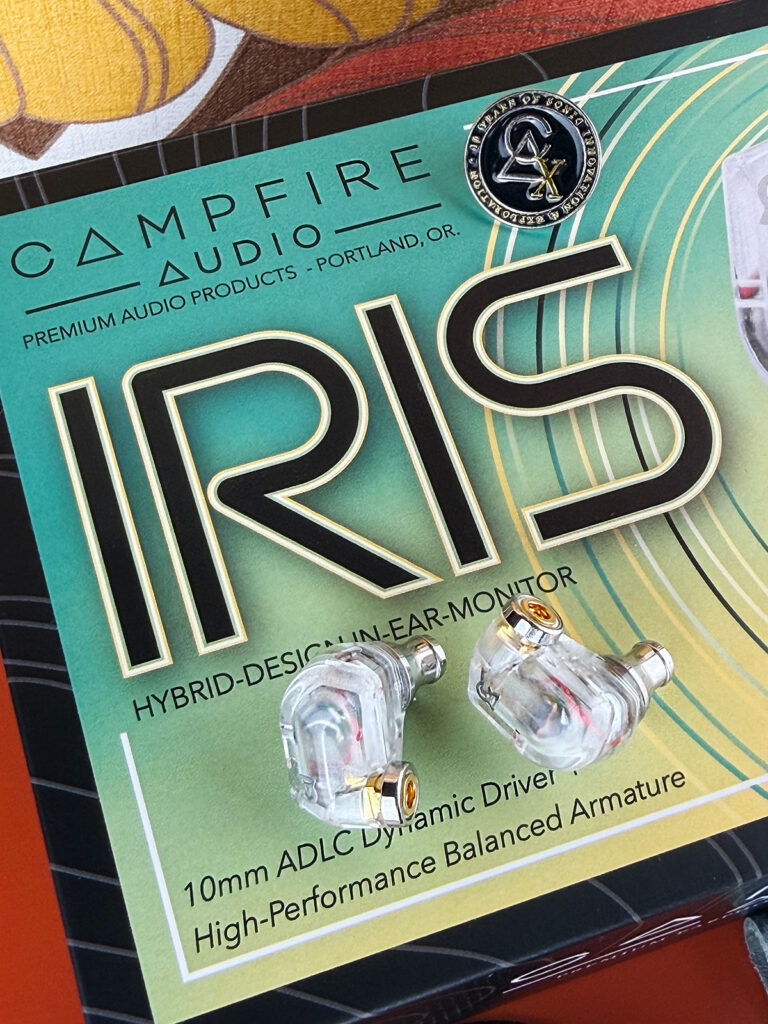
The Campfire Audio’ Iris is positioned as one of the more accessible IEMs in the company’s lineup, while still offering the recognizable build quality and sound performance.
Packaging and design
Campfire Audio has always paid great attention to the presentation of its packaging and the Iris is no exception. In fact, the unboxing experience offers more than you would typically expect at this price point. Everything inside the box is neatly arranged, giving the overall presentation a clean and well put together feel.
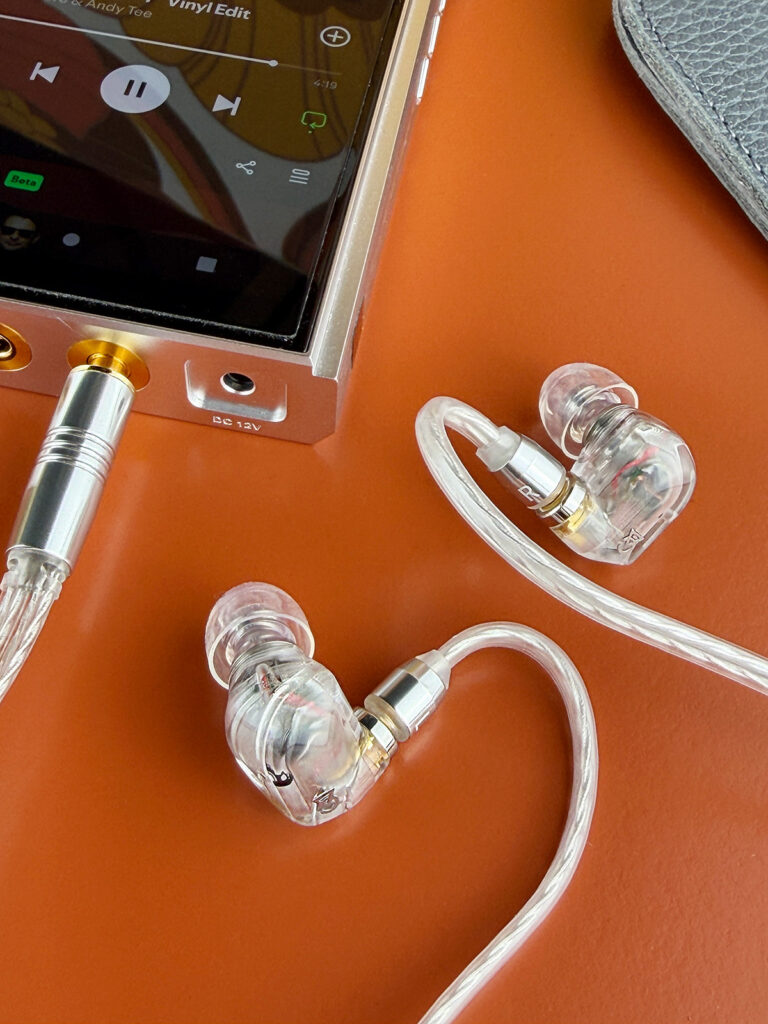
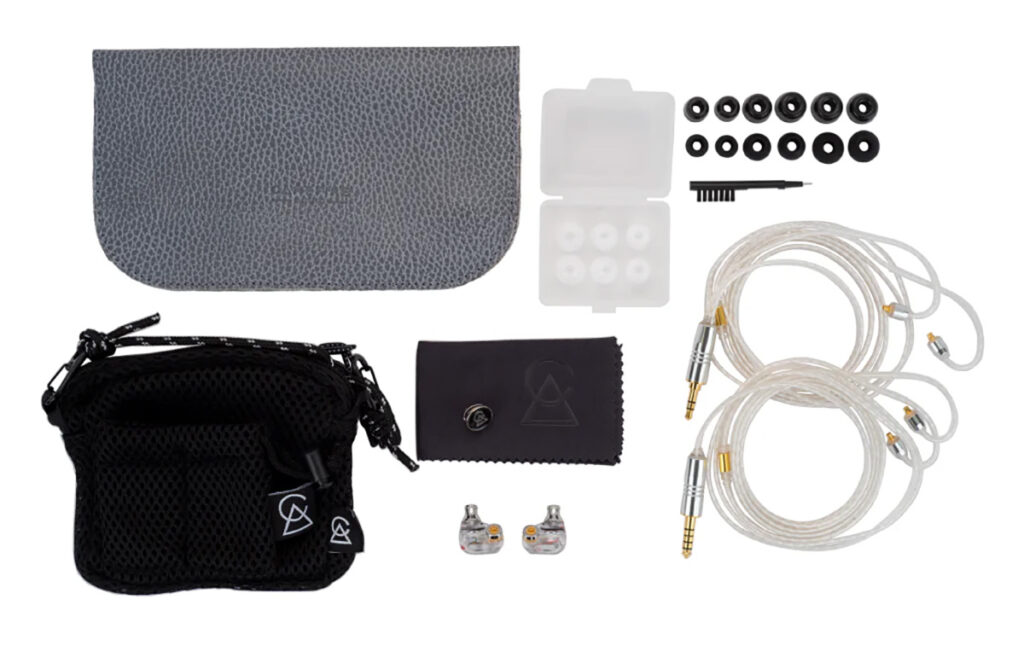
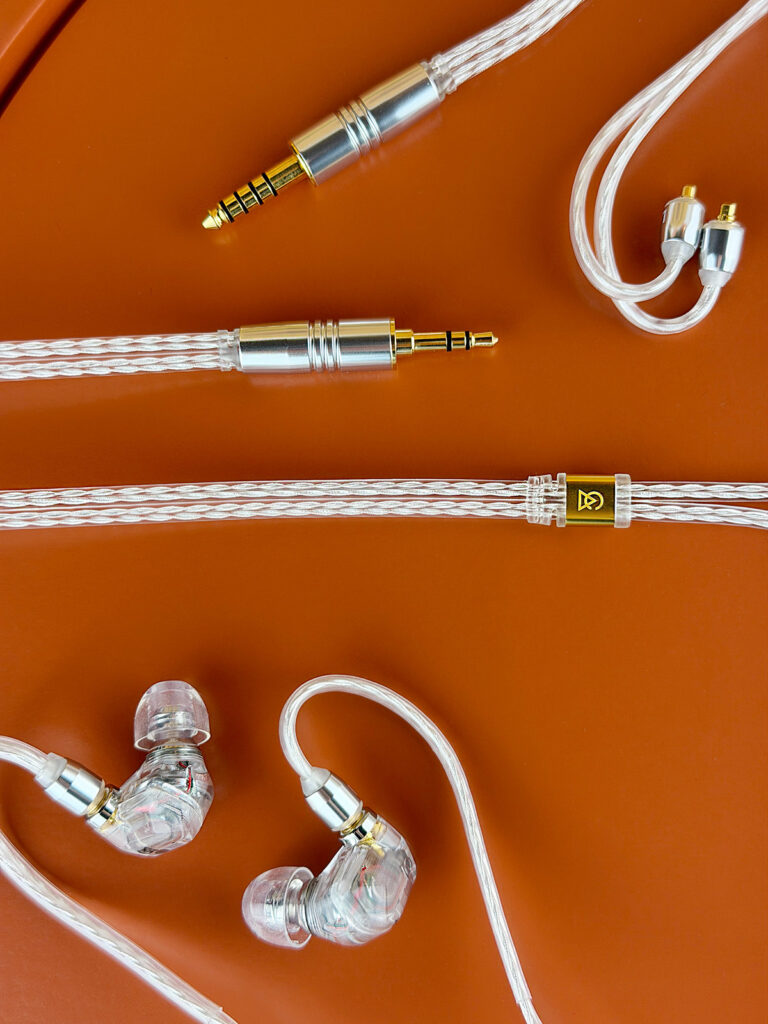
Campfire Audio includes two Time Stream cables in the package: a 3.5mm single-ended cable and a 4.4mm balanced cable, something many brands still leave out at this price tier. The box also contains multiple sets of ear tips, including silicone, foam and High & Clear silicone tips in various sizes.
Campfire Audio further includes a leather folding wallet, a mesh carrying pouch, a cleaning cloth, a cleaning tool and the company’s well-known Campfire pin. The leather wallet is worth highlighting on its own, as it is handmade in Portugal. It feels more like a compact organizer than a standard carrying case. There is enough space for the Iris, cables and even a small dongle DAC such as the Campfire’s Relay DAC
Overall, the packaging and presentation are well organized and thoughtfully designed.
Build quality
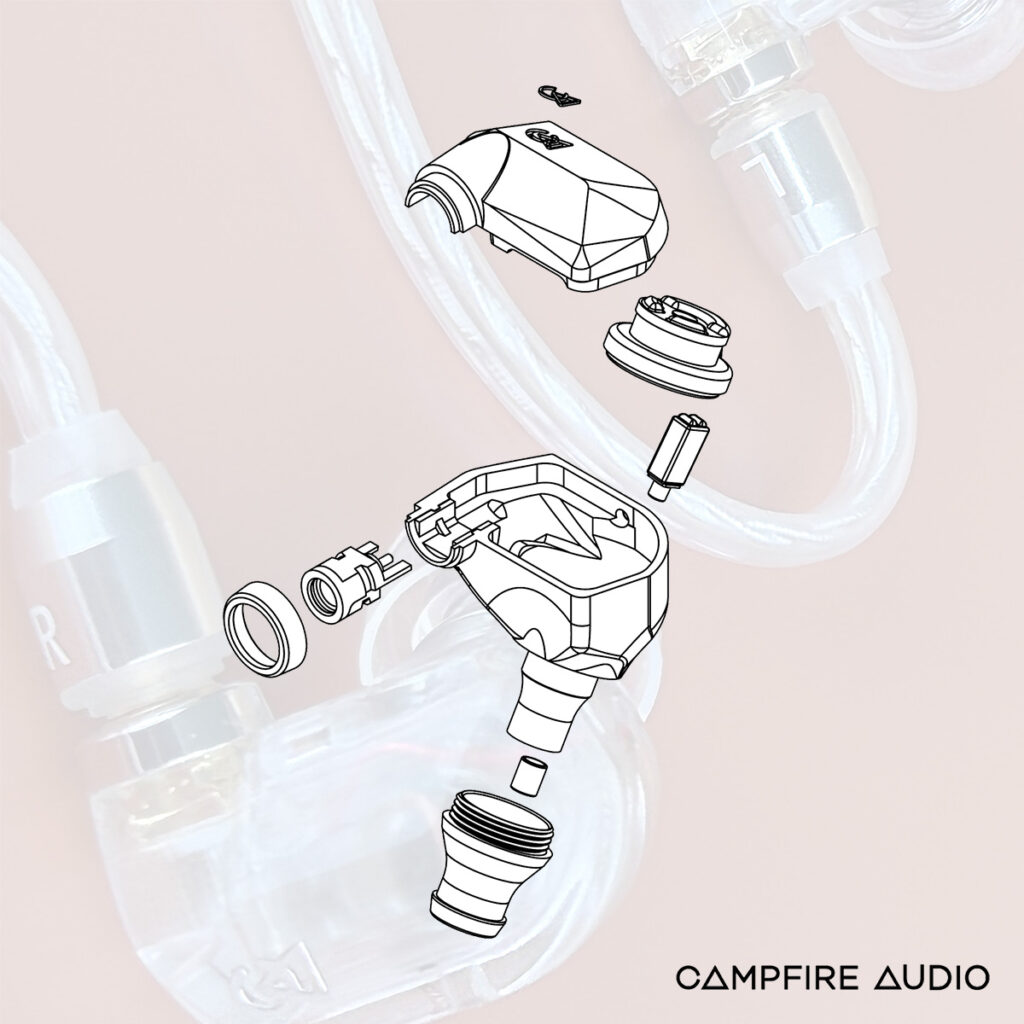
The Iris uses a compact hybrid configuration with a dynamic driver handling the low-end and a single balanced armature responsible for the higher frequencies. While the setup may look relatively modest on paper, Campfire Audio created a remarkably capable IEM in an impressively compact shell. The Iris delivers a musical and well-balanced sound signature that feels far more refined than its driver count would suggest.
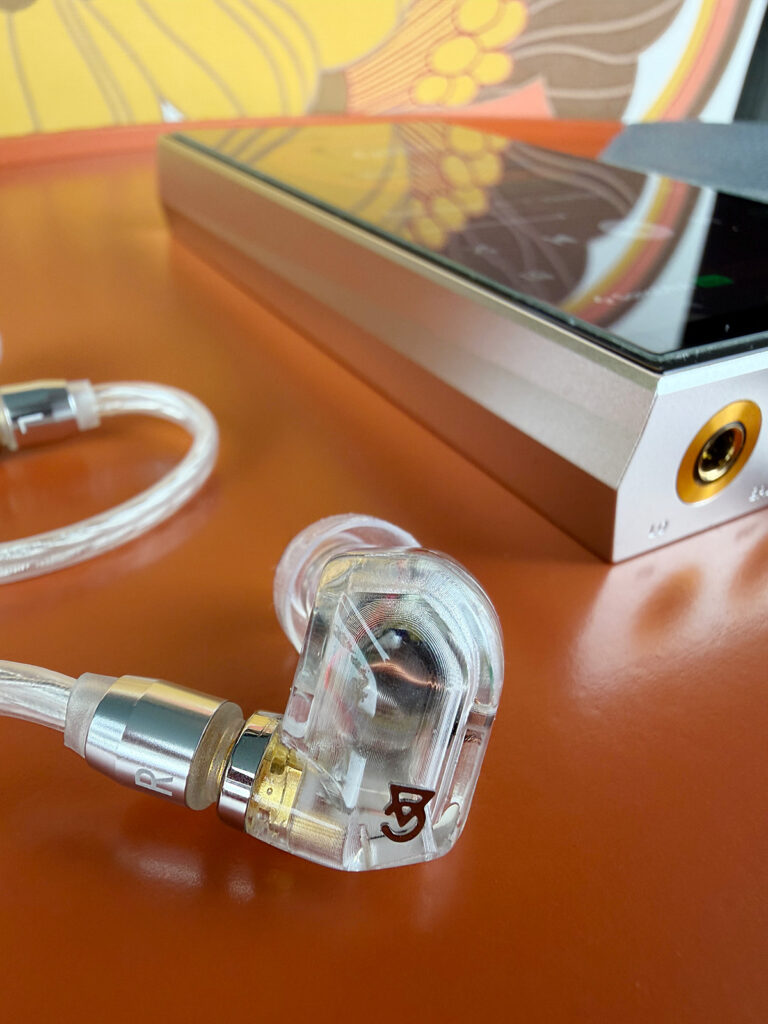
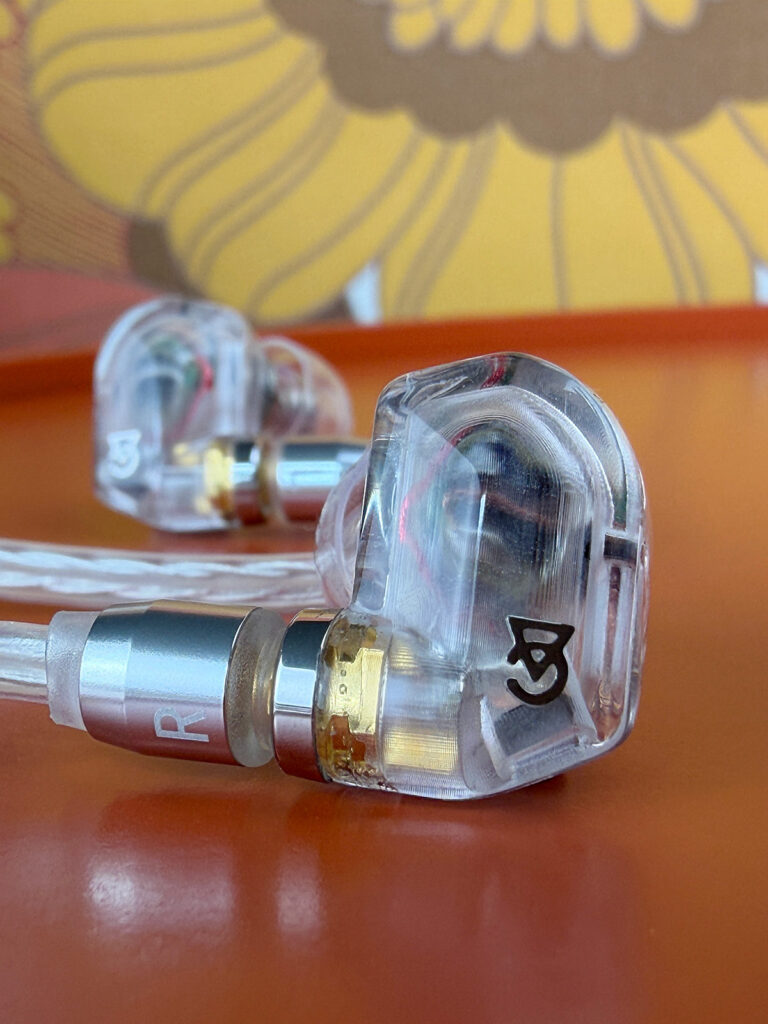
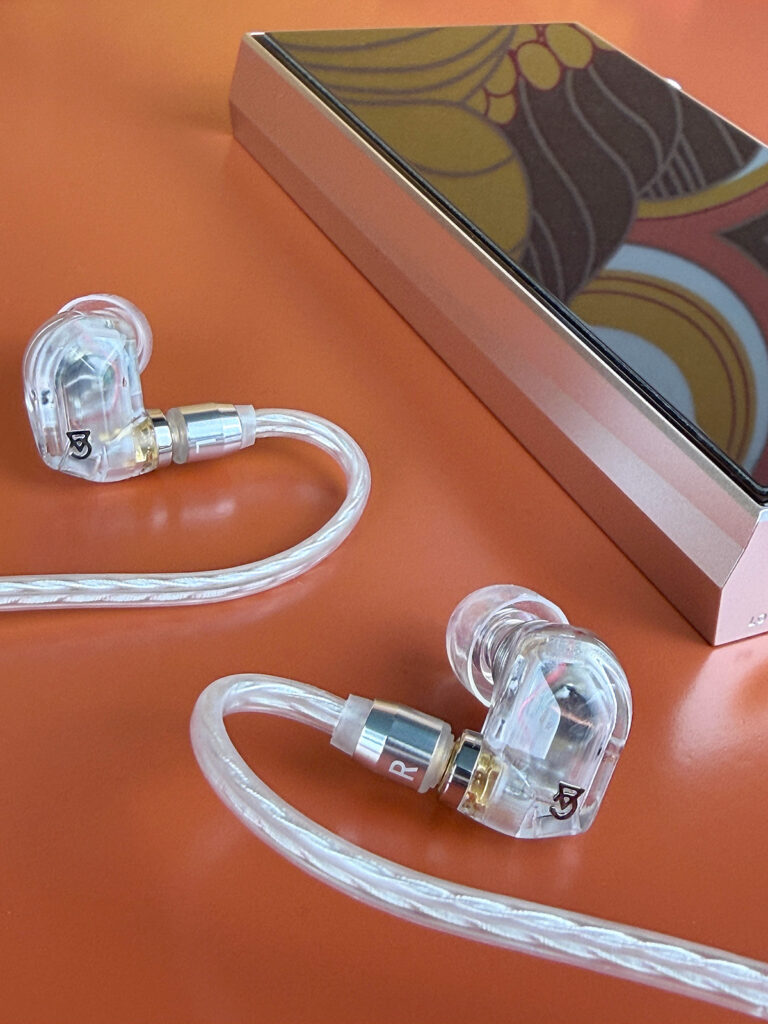
The Iris is among the smallest designs Campfire Audio has released. The shell is so compact that it almost feels “cute” in size. Its lightweight design allows it to sit comfortably in your ear. This is not something that can be said about every IEM on the market. Its small, ergonomic shape makes it easy to insert and provides a secure fit. Even listeners with smaller ears are likely to find the Iris very comfortable to wear.
The semi-transparent acrylic housing gives the Iris a clean and sleek appearance. Parts of the internal structure is subtly visible through the shell. It looks refined without coming across as flashy or overly extravagant.
While some of Campfire Audio’s newer models have moved to a 2-pin connection, the Iris continues to use the company’s well-known MMCX system. The stainless steel nozzles add a reassuring sense of solidity and durability while also giving the design a bit more character.
The fit and finish of the Iris are very well executed. It reflect the level of attention Campfire Audio puts into their designs.
Specs
- Dynamic Driver: 10mm ADLC Dynamic Driver
- Balanced Armature: Single High-Frequency BA Driver
- Frequency Response: 5Hz – 20kHz
- Impedance: 14.8Ω @ 1kHz
- Sensitivity: 94 dB SPL @ 1kHz
- Total Harmonic Distortion: <0.5%
- Connector Type: MMCX
- Included cables 3.5mm Single-Ended & 4.4mm Balanced
- Housing Material: Printed transparent Acrylic with Stainless Steel nozzle
- Ear Tips: Foam, Silicone, High & Clear Tips
- Included Accessories: Leather Carry Case, Mesh pouch, Cleaning Tool, Microfiber Cloth
Test Equipment
– Shanling M8T
– iBasso DX270
– Campfire Audio Relay Dac
– Burson Audio Conductor Stellar
Sound Quality
The Iris delivers an engaging presentation that makes music sound lively and immersive. Rather than aiming for a strictly analytical sound signature, Campfire Audio focused on energy, punch and overall musical flow.
The overall tuning leans slightly warm, while the balanced armature driver adds enough energy in the treble to keep the presentation open and engaging. It gives the Iris a sound that feels fun without becoming overly aggressive in the higher frequencies.
The Iris delivers a strong sense of dynamics. Bass hits with satisfying impact, drums have real energy behind them and electronic tracks sound fast and lively. There is enough sub-bass presence to give music decent weight, without the low-end overpowering the rest its tuning. Despite its fuller bass response, the Iris never sounds overly thick or slow. The elevated treble helps maintain clarity and prevents the sound from becoming muddy.
Treble
There is a clear lift in the upper frequencies that adds energy and openness to the sound. This energetic treble response plays an important role in the overall balance of the Iris. Without it, the warmer low-end could have made the tuning sound a little too relaxed.
Treble can become slightly less forgiving with brighter or poorly mastered recordings. At higher listening volumes, certain tracks may sound a bit sharp or occasionally flirt with sibilance, especially for listeners who are more sensitive to treble energy. The Iris sounds most balanced at moderate listening levels, where the bass warmth and treble energy come together most naturally, without either side becoming too dominant.
Detail retrieval is very respectable for an IEM that focuses more on musicality than pure analysis. Smaller background details come through clearly, while the Iris maintains its smooth musical character.
Midrange
The midrange is set slightly behind the bass and treble, but the Iris never sounds hollow or disconnected. Vocals and instruments retain plenty of body and warmth.
Vocals are presented in a smooth and natural way. Male vocals sound full and convincing, with a pleasing amount of richness in the lower mids. Female vocals sound clear and present without becoming overly forward. The tuning avoids the thin or metallic character that some brighter hybrid IEMs can introduce. Notes retain enough body and warmth to keep the overall presentation natural and enjoyable.
The Iris is not tuned to be a mid-focused reference monitor. Its strength lies more in delivering a balanced and musical presentation across the entire frequency range.
Bass
One of the defining characteristics of the Iris tuning is its bass response. The Iris delivers weight and physical impact, particularly in the sub-bass region. The low-end has a satisfying sense of rumble that adds real presence to tracks.
The Iris avoids a bloated or overly soft character that some bass-heavy IEMs can develop. Bass notes remain reasonably well separated, allowing the low-end to sound full and energetic without overwhelming the rest of the presentation. Sub-bass reaches deep and gives tracks a solid sense of scale, while the mid-bass adds punch. The Iris handles fast bass passages very well. The Iris clearly favors a fuller and more energetic bass response over a lean reference-style tuning.
Soundstage
The soundstage is surprisingly spacious for such a compact IEM. There is a good sense of width and separation. Imaging is solid, with instruments and vocals remaining easy to place within the mix. Despite the elevated bass response, the presentation rarely sounds cramped or congested. There is enough width and openness. The stage extends surprisingly far, giving music an open and spacious presentation. Live recordings and atmospheric electronic tracks benefit especially well from this.
Depth is not the main focus, but there is more than enough layering. The Iris sound more immersive than many similarly tuned hybrid IEMs. Imaging is solid, it does not aim for a razor-sharp precision, but Instruments remain well positioned within the mix.
Listening impressions
I selected the following set of tracks to evaluate micro-detail, imaging, rhythm and texture.
Buena Vista Social Club – De Camino A La Vereda (Live at Carnegie Hall)
The Iris delivers a wonderfully spacious and energetic presentation of this live recording. The elevated mid-bass adds satisfying weight to the percussion and upright bass, while the lively upper treble helps bring out the atmosphere of the venue and the subtle crowd ambience in the background. Vocals sound warm and smooth. The Iris handles the tracks complex layering with ease.
Chantal Chamberland – Besame Mucho (Soirée)
Chantal’s voice pairs exceptionally well with the Iris. Her smoky vocals benefit from the slightly warm tuning and fuller low-end response. The treble adds just enough air and sparkle to keep the track from sounding overly soft. The instruments maintain good body and texture, while the spacious presentation helps create a relaxed late-night jazz atmosphere.
Joe Bonamassa – The Thrill Is Gone (B.B. King’s Blues Summit 100)
Electric guitars are handled by the Iris with plenty of energy and bite, making Bonamassa’s playing sound lively and engaging. The bass response adds welcome weight to the drums and bass guitar, while the elevated treble give guitar harmonics extra presence. The spacious soundstage also helps separate the instruments nicely during the busier moments in this track.
Kiko Navarro & Concha Buika – Sonando Contigo (Acoustic Version)
Concha Buika’s vocals sound warm, expressive and textured, while the acoustic instrumentation benefits from the airy upper-end response. The bass remains controlled and supportive without overshadowing the delicate details in this arrangement.
Waylon – Let’s Get This Over With (Time Jumper)
The Iris feels right at home with country. Kick drums have solid punch, bass lines sound full and dynamic and the energetic treble gives guitars that extra edge. Waylon’s vocals remain clear and well defined without losing warmth or body. The overall presentation sounds lively and engaging, with enough impact to make the track feel energetic from start to finish.
Wynton Marsalis – Feeling of Jazz (The Magic Hour)
Jazz recordings like Wynton Marsalis’ Feeling of Jazz pair exceptionally well with the Iris thanks to its warmth, openness and spacious presentation. Brass instruments carry good presence and energy without sounding overly aggressive, while the double bass notes in this track have satisfying weight and texture. The Iris handles the separation between instruments very well.