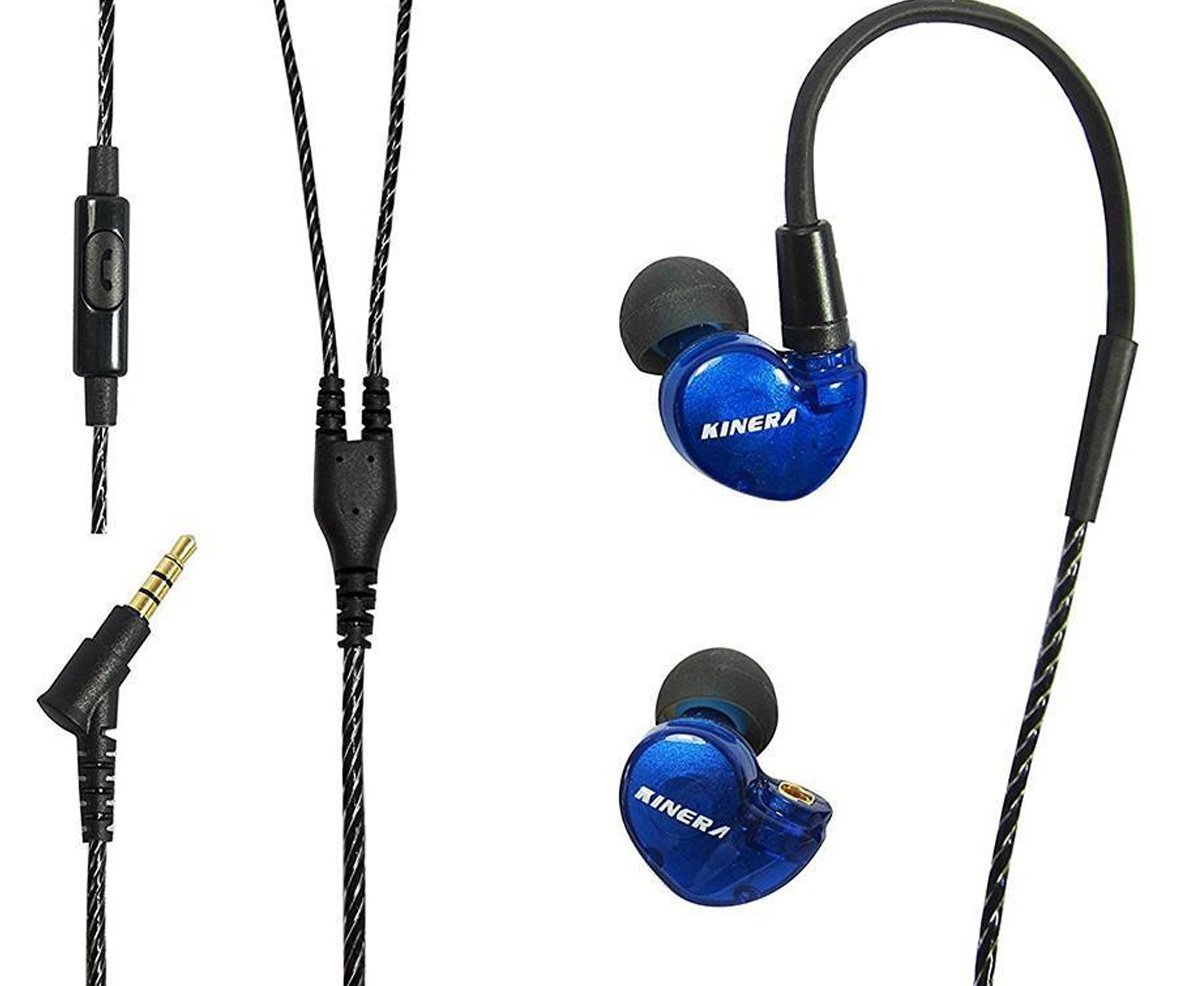
Kinera has been active in the audio industry since 2011, with its roots in Dongguan, China. Initially focused on developing drivers, the company later moved into the IEM market with its own products. In 2016, it introduced the BD005, its first hybrid IEM combining a dynamic and balanced armature driver. The company has come a long way.
The brand now offers an extensive range of IEMs, including various high-end models featuring balanced armature, electrostatic and bone conduction drivers. Norse mythology plays an important role in Kinera’s identity, with models such as the Freya, Nanna and Loki named after figures from Norse legends. This influence extends to their appearance, with striking hand-painted faceplates and intricate finishes reflecting the character and stories behind their names.
The Freya Vanir is one of the latest additions to this mythology-inspired lineup. It is named after Freya, the Norse goddess associated with love, beauty and magic. This new model features a five-driver hybrid configuration. It combines a dynamic driver, three balanced armature drivers and a dedicated MEMS driver for the upper frequencies.


The BD005, Kinera’s first launched IEM, introduced in 2016.
Design
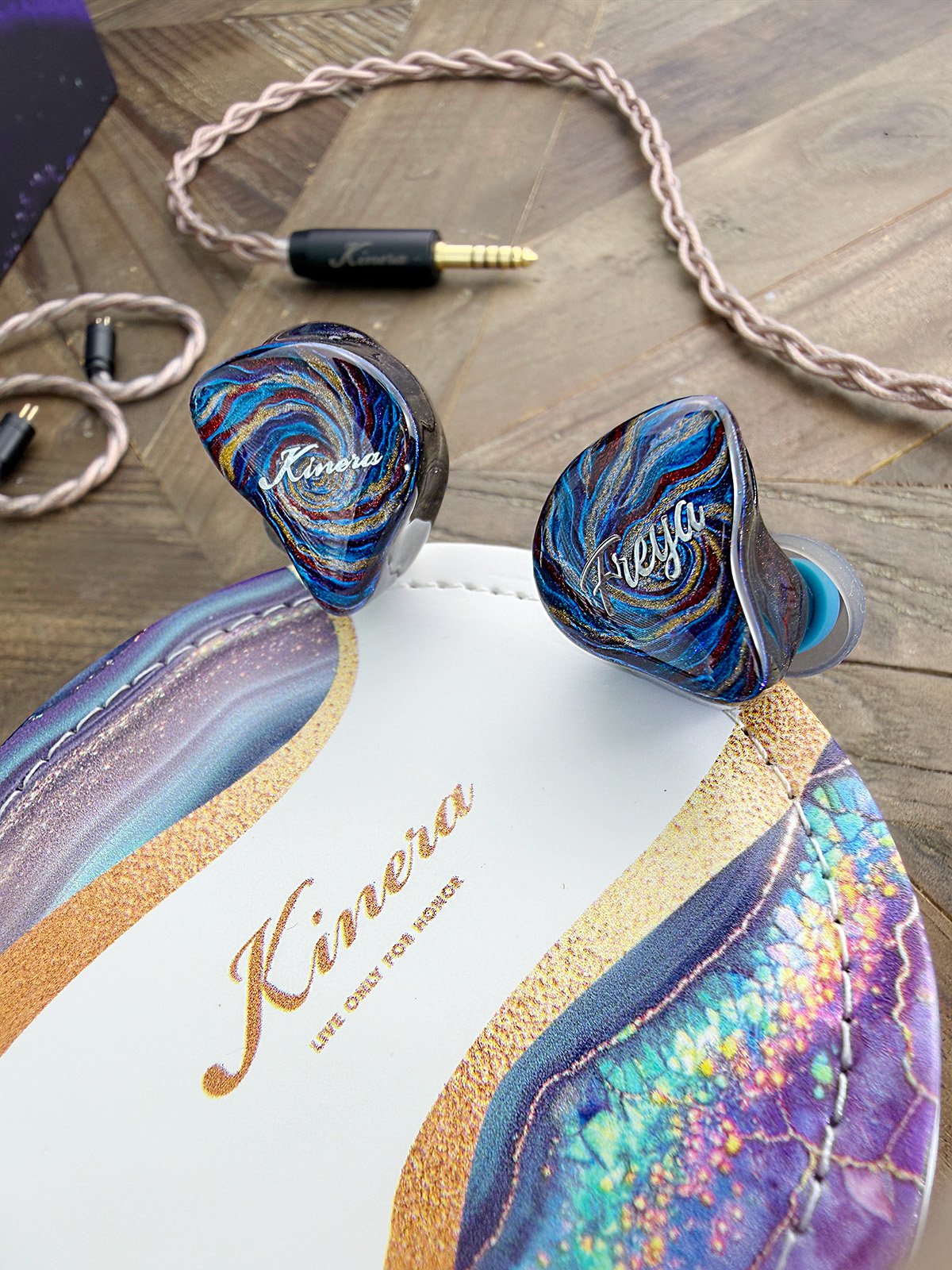
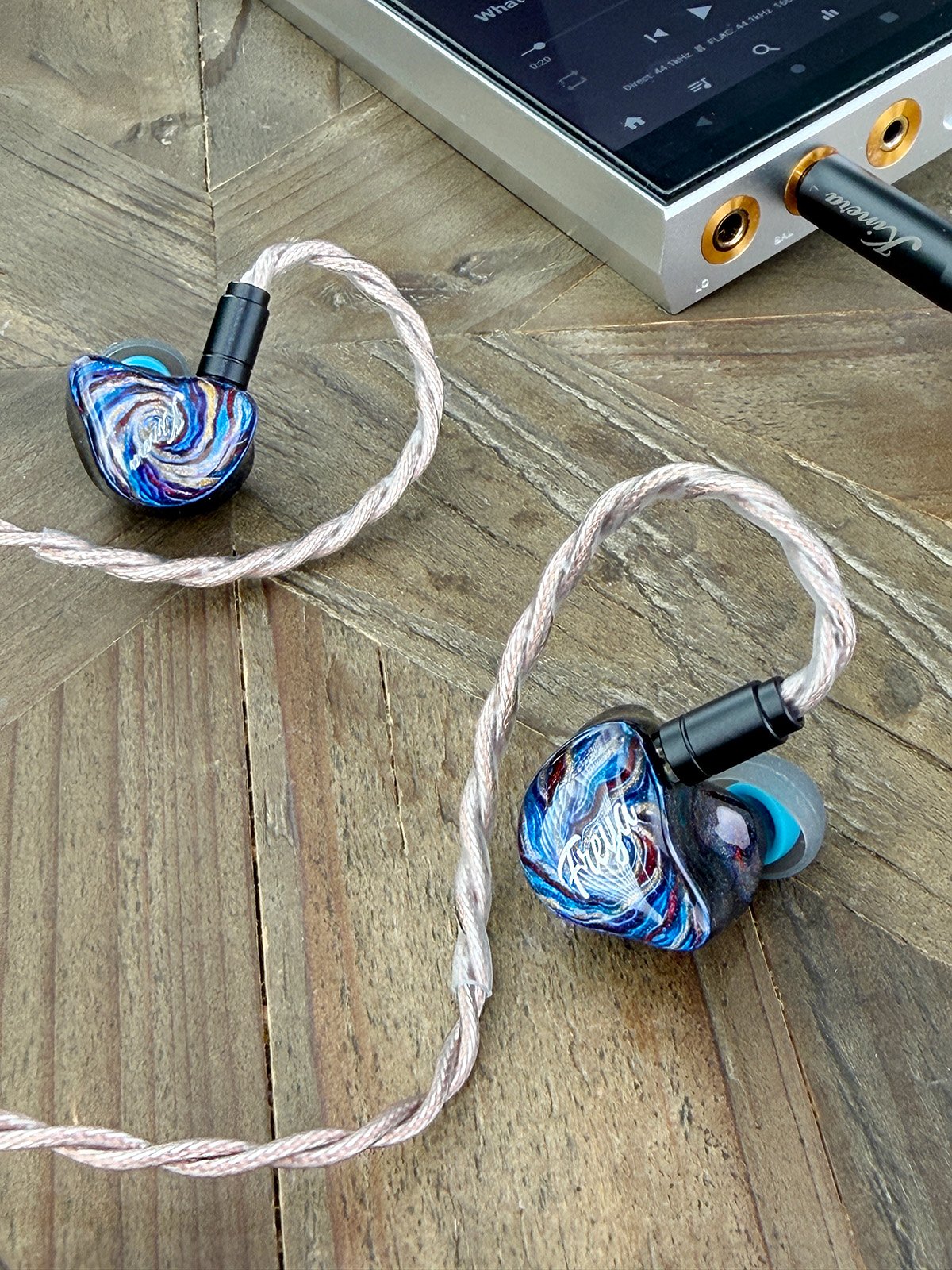
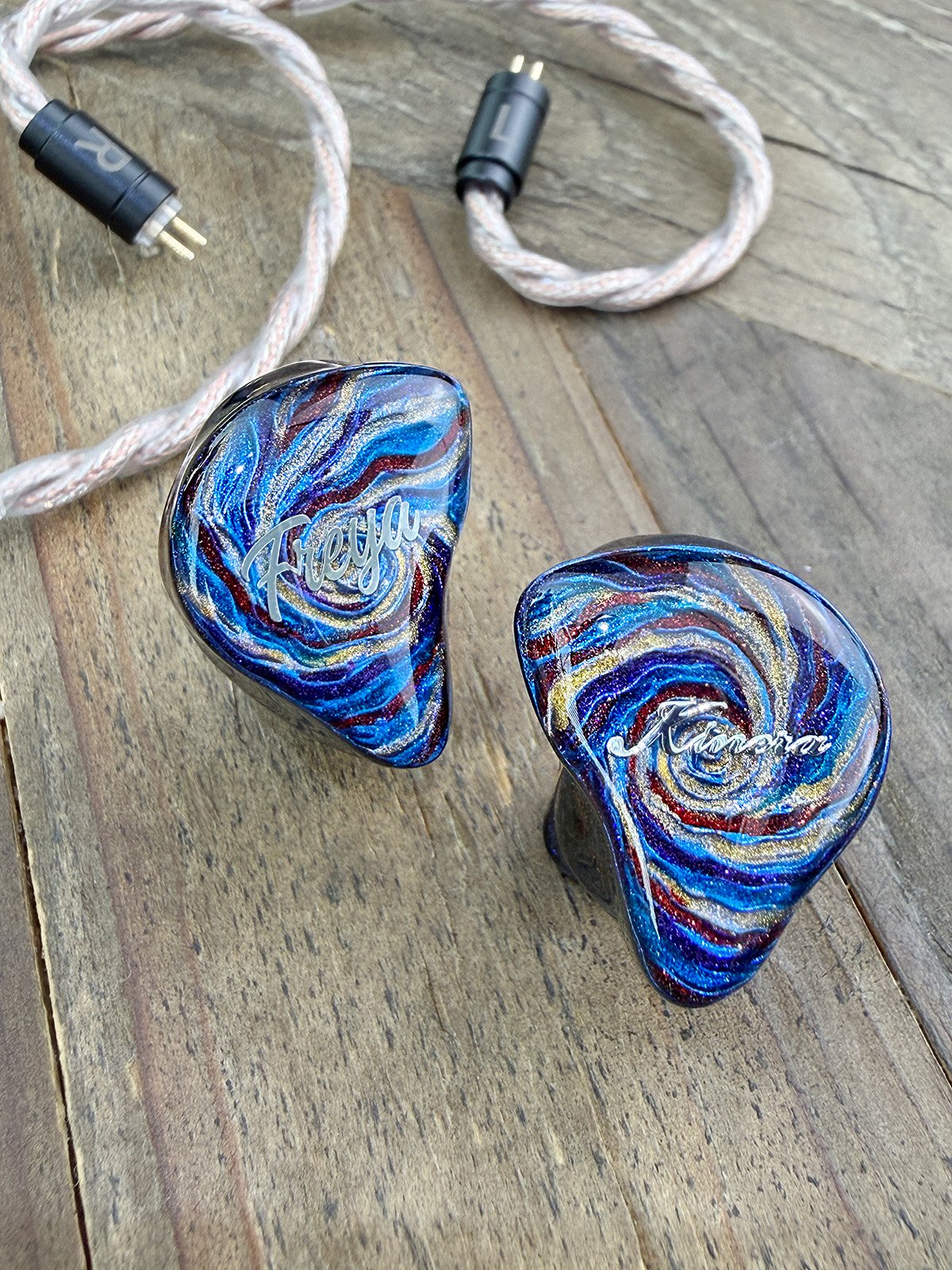
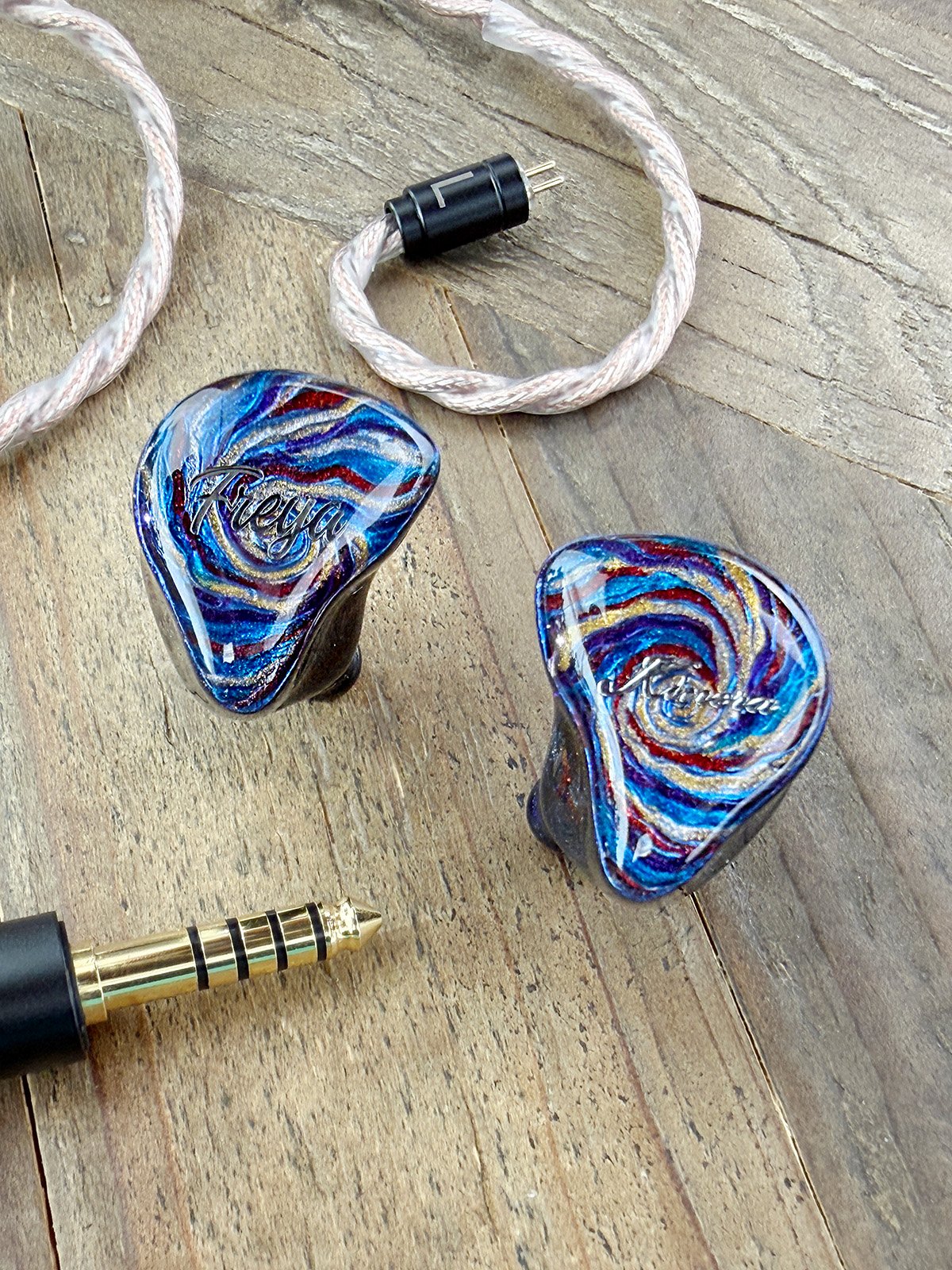
One thing Kinera certainly understands is how to make an IEM visually distinctive. The Freya Vanir continues the company’s tradition of hand-painted faceplates. This time it features an indigo and gold nebula design. The combination gives the earpieces an elegant and colourful appearance. The Freya Vanir’s design follows the Norse mythology theme that has become a familiar part of Kinera’s identity. The name Vanir refers to a group of gods in Norse mythology, to which Freya belongs.
The Freya Vanir houses five drivers and a four-way crossover. The shells have a nicely contoured shape, feel comfortable to wear and provide a secure fit.
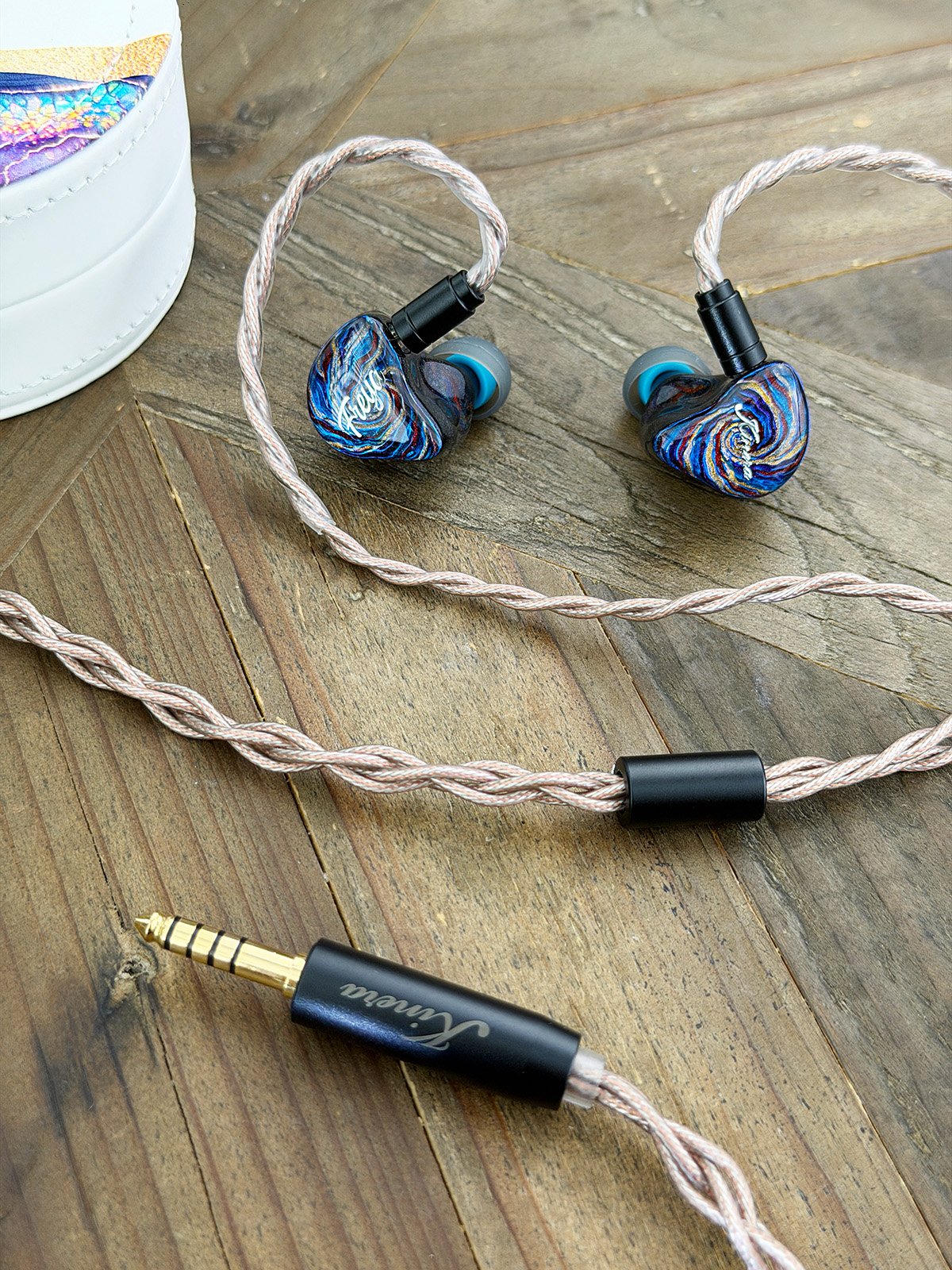
The Freya Vanir comes with a beautifully made cable that feels every bit as premium as the earpieces themselves. Its copper braided construction complements the design of the earpieces, while the interchangeable plugs make it also practical to use with different sources.
Comfort
The Freya Vanir has contoured shells with rounded edges that follow the natural shape of the ears. They feel surprisingly light and fit comfortably, without causing any uncomfortable pressure points. The fit is secure and the shells stay nicely in place without needing constant adjustment. Choosing the right ear tips is important for achieving a proper seal and maintaining a good bass response though.
Ear tips
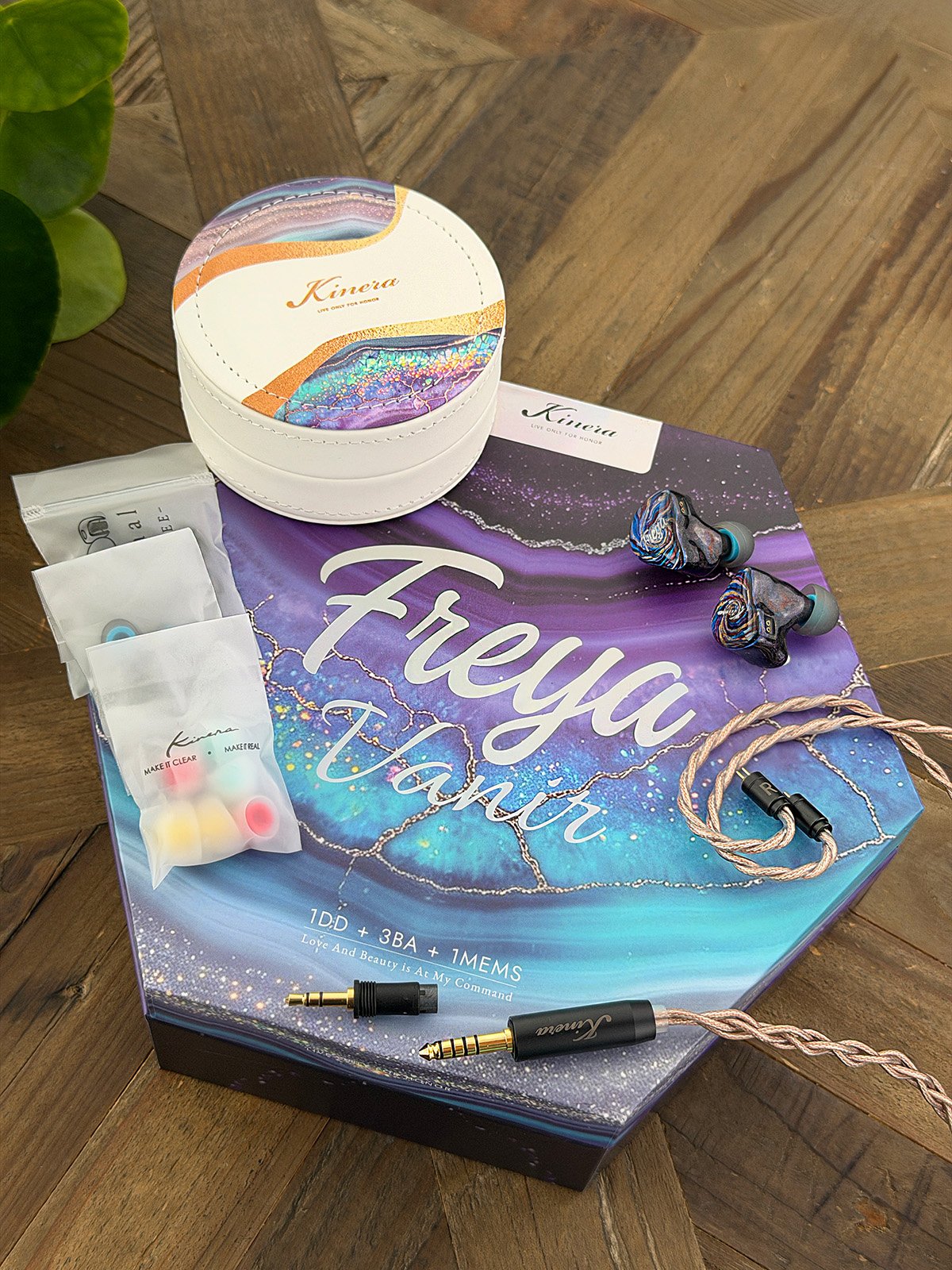
Kinera includes three types of ear tips: Final Audio Type E, Kinera K-07 Balanced and Kinera 221 Vocal. The Final Audio Type E tips are known for their comfortable fit and good isolation. They can add a little more weight to the bass and take some of the edge off the treble. The K-07 Balanced tips have a wider bore and firmer construction, giving the sound a more open character. The 221 Vocal tips are intended to bring more attention to the midrange, particularly vocals.
Case
Kinera has given the storage case the same colourful character as the Freya Vanir itself. It’s a welcome change from the usual plain black cases supplied with many IEMs. The colours work nicely with the Freya’s and give the whole package a more personal touch.
Technical specifications
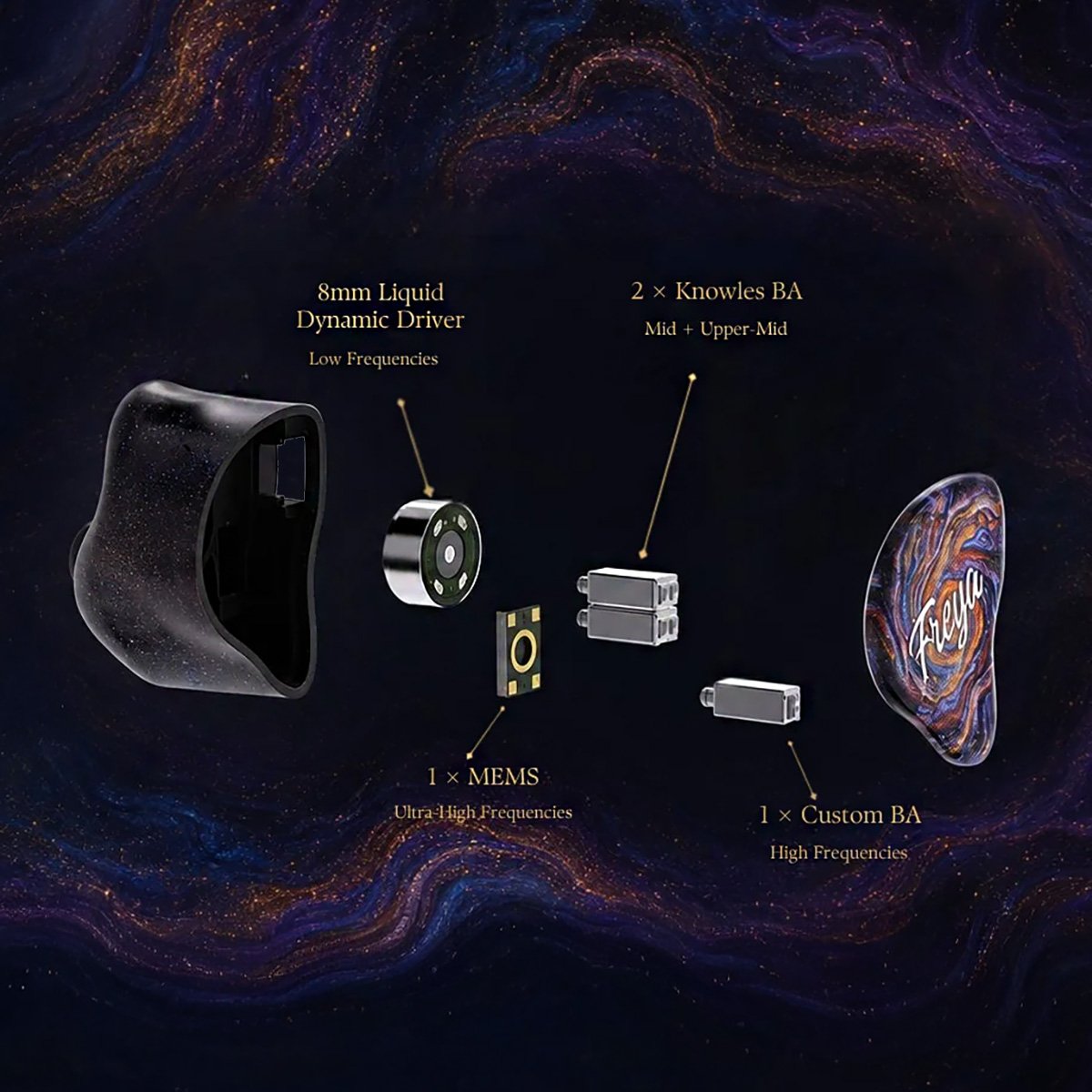
The Freya Vanir uses a five-driver hybrid configuration, combining one dynamic driver, three balanced armature drivers and a MEMS driver. To integrate these different driver technologies, Kinera uses a four-way crossover that distributes the audio signal across the individual driver groups.
An 8mm dynamic driver with a liquid diaphragm handles the low frequencies. Two Knowles balanced armature drivers cover the midrange and upper-midrange. A custom balanced armature driver takes care of the high frequencies. The fifth driver is a MEMS unit dedicated to the ultra-high-frequency region.
MEMS stands for Micro-Electro-Mechanical Systems. Unlike conventional dynamic drivers, which use a voice coil and diaphragm to produce sound, MEMS drivers use tiny mechanical structures built on a silicon chip. This technology allows for extremely small and lightweight drivers, making them particularly suitable for reproducing high frequencies.
MEMS drivers can sound excellent when properly integrated, but not every IEM using this technology gets it right. In the Freya Vanir, Kinera has integrated the MEMS driver effectively, using it to extend the highest frequencies rather than reproduce the entire treble range.
Beyond the MEMS driver itself, the way all five drivers work together is equally important. Proper integration and phase alignment help the different drivers sound like a single unit, without noticeable changes in character as the music moves between frequency ranges. This is especially important with acoustic instruments and vocals, where even small differences in tonal character can become apparent.
With an impedance of 16 ohms and a sensitivity of 106dB, the Freya Vanir is relatively easy to drive. It doesn’t require a particularly powerful amplifier and can be used with most modern DAPs and portable DACs. However, the output impedance of the source is worth considering with a multi-driver design like this. A low output impedance helps minimise potential changes in frequency response caused by the interaction with the crossover.
Cable
The Freya Vanir comes with a nicely finished cable made from single-crystal copper and silver-plated single-crystal copper. Its coaxial construction features four braided strands with a total of 139 individual wires. The cable measures 1.25 metres and uses standard 0.78mm 2-pin connectors. Interchangeable 3.5mm single-ended and 4.4mm balanced plugs make it easy to switch between different audio sources.
Specifications
-
Driver configuration: 5-driver tri-hybrid (1DD + 3BA + 1MEMS)
-
Dynamic driver: 8mm liquid-diaphragm driver
-
Balanced armature drivers: 2 × Knowles BA (midrange), 1 × custom BA (treble)
-
MEMS driver: 1 × custom MEMS (ultra-high frequencies)
-
Crossover: 4-way
-
Frequency response: 20Hz–20kHz
-
Impedance: 16Ω
-
Sensitivity: 106dB/Vrms @ 1kHz
-
Connector: 0.78mm 2-pin
-
Cable: OCC copper and silver-plated OCC copper, 4-core coaxial braid (139 strands)
-
Cable length: 1.25m
-
Plugs: Interchangeable 3.5mm single-ended and 4.4mm balanced
-
Included accessories: Final Type E, K-07 Balanced and Kinera 221 Vocal ear tips, storage case, cleaning cloth and brush
Test equipment:

Sound Quality
The Freya Vanir has a lively and well-balanced sound, with a touch of extra energy in the bass and upper midrange. Vocals are clear and expressive, with a slightly forward presence that brings them closer to the listener. The treble has a pleasant sparkle and reveals fine details without becoming overly bright. A hint of warmth gives the music a natural and inviting character.
One of the Freya Vanir’s strengths is its ability to reveal subtle textures and nuances. There’s a good level of resolution, but the sound never becomes too analytical. The combination of balanced armature and MEMS drivers gives the higher frequencies an open and airy character, with fine detail and no unwanted sharpness.
The bass has a satisfying amount of weight and punch, but doesn’t interfere with the midrange. Instruments are clearly separated, even when the music becomes more complex, smaller details don’t get lost in the mix. The lower midrange is a little lighter in body, which is particularly noticeable with male vocals and acoustic instruments. A touch more warmth here would give them a fuller, richer sound. Even so, the overall tonal balance is very enjoyable.
Treble
The treble is one of the strong qualities of the Freya Vanir. Kinera uses a combination of balanced armature and MEMS drivers to reproduce the higher frequencies. The result is a clear and detailed presentation with good extension and a pleasant sense of air.
Cymbals have a natural shimmer with enough definition to distinguish the initial strike from the following decay. String instruments benefit from the additional upper-frequency detail as well. There is a good amount of sparkle without the excessive sharpness that can sometimes accompany more energetic treble tunings.
The MEMS driver contributes to the sense of openness and adds a little extra refinement to the highest frequencies. The Freya Vanir combines fine detail and sparkle with a smooth treble that blends naturally with the midrange. Even brighter recordings sound lively and energetic without becoming harsh or fatiguing.
Midrange
The midrange has a clear and expressive character, with vocals positioned slightly forward. Both male and female voices have a natural texture, making subtle changes in tone and expression easy to hear. The upper midrange has a lively character that gives vocals a little extra presence without making them sound overly bright.
The singer is clearly separated from the accompanying instruments, allowing smaller details in the performance to come through naturally. Male vocals sound clean and articulate, although a little more warmth and body in the lower midrange would give deeper voices greater richness. Acoustic instruments have a natural clarity, with piano notes showing a crisp attack and guitars revealing the individual plucked notes and their resonance.
The transition from the midrange into the treble is smooth, with no noticeable change in tonal character between the balanced armature and MEMS drivers. Recordings with more energy in the upper midrange can bring vocals a little further forward, but the presentation stays pleasant and controlled.
Bass
The 8mm dynamic driver gives the Freya Vanir a punchy and well-controlled bass response. Drums have a satisfying impact and bass instruments sound full and nicely textured. There’s a good sense of rhythm, with enough speed to keep fast passages clean and articulate.
Sub-bass reaches reasonably deep, adding depth and weight to recordings that extend into the lowest frequencies. Rather than producing the constant rumble of a bass-heavy IEM, the Freya Vanir delivers its low-frequency energy where it’s needed. Deeper notes have very good definition, making it easy to follow individual bass lines without them blending together.
The mid-bass has a little more emphasis, giving kick drums and bass guitars an enjoyable punch. Notes have a fairly quick attack, followed by enough decay to preserve their natural weight and texture. The bass has real impact when needed, but never takes attention away from the rest of the music.
Soundstage & Imaging
The Freya Vanir creates a spacious soundstage with good width and a noticeable sense of height. There’s a convincing sense of depth as well, with vocals positioned slightly closer to the listener and instruments extending further into the background. Even with more complex recordings, there’s enough space between instruments to follow their individual parts without the presentation becoming crowded.
Instrument placement is precise, making it easy to distinguish where different sounds originate within the soundstage. Foreground and background instruments are clearly separated, adding to the impression of depth. The soundstage is wider than it is deep, which works especially well with acoustic and live recordings.
Synergy
iBasso DX270
The DX270 gives the Freya Vanir a spacious and refined presentation, with excellent depth and precise instrument placement. The Vanir’s ability to resolve fine details comes through beautifully, particularly with blues and jazz recordings where subtle changes in tone and texture are easy to appreciate. Vocals have a natural presence, while the bass is controlled and nicely layered. The extended treble sounds airy and delicate, retaining its sparkle without introducing any unwanted sharpness.
Burson Conductor Stellar (Class A IEM Stage)
The new Class A IEM stage gives the Freya Vanir a fuller and warmer presentation. Vocals have more body, instruments sound richer and the bass gains a little extra weight without losing texture or definition. This additional warmth works particularly well with the Vanir’s slightly lighter lower midrange. The treble sounds smooth with all the fine detail and sparkle still intact. The combination sounds rich and engaging without sacrificing clarity.
Shanling M8T
With three amplification modes available, the M8T offers some interesting variations in how the Freya Vanir sounds. Triode mode adds warmth and a more intimate quality to vocals, giving the midrange greater richness. Ultra-Linear delivers a fuller sound with more bass authority, complementing the Vanir’s controlled low frequencies. Transistor mode sounds cleaner and more direct, placing greater emphasis on detail, separation and precise imaging. Throughout these options, the Vanir retains its smooth treble and clear vocal presentation, making the M8T a versatile companion.
iBasso DC-Tonfa (Connected with JDSLabs Synapse)
The DC-Tonfa gives the Freya Vanir a natural, slightly warm sound with a smooth and fluid presentation. Compared to the DX270, it sounds a little more dynamic and energetic. Vocals have a pleasing richness and instruments sound natural, with good texture and decay. The bass has depth and a rounded and controlled character that suits the Vanir’s lively tuning. The treble has a delicate sparkle, revealing subtle details without sounding sharp or aggressive.
Listening impressions
Aukai – Leaning (Apricity)
The delicate plucked strings in “Leaning” sound clear and nicely defined through the Freya Vanir. Each note has a gentle warmth and a natural resonance that gives the instruments a realistic character. The DX270 gives the lower notes a little more substance without making them sound heavy. The slightly forward upper midrange brings the instruments a little closer, preserving their delicate character.
Christopher Tyler Nickel – Stabat Mater: II. Cujus animam gementem
The Freya Vanir gives the choral passages an open presentation, with excellent separation between individual voices. Higher vocal registers sound clear and expressive, although the lower voices have a little less body. As the intensity increases, the Freya Vanir handles the louder passages with good control and a smooth natural delivery. The reverberation surrounding the choir sounds convincing.
Albert King – Lovingest Woman in Town (Stax Profiles)
Albert King’s guitar playing is full of expression and the Freya Vanir captures his bends, vibrato and rough edges well. There is enough bite to preserve the raw character of the guitar without making the sharper notes unpleasant. His voice has a dry, textured quality, although a little more lower-midrange body would give it greater weight. The bass guitar has good presence and the drums are clearly defined. The Freya Vanir does a great job of preserving the raw energy.
John Lee Hooker – Spellbound (Don’t Look Back)
Hooker’s deep, weathered voice has a wonderfully rough texture, with the Freya Vanir revealing the subtle variations in his delivery. The lower registers have good presence and his electric guitar has a gritty character, with a firm attack. Notes have satisfying weight and extension, although the low-frequency emphasis occasionally makes the presentation a little heavier than expected. His deep vocals and the sharper guitar notes create an interesting contrast that the Freya Vanir reproduces quite well.
Maynard Ferguson – But Beautiful (MF Horn VI – Live at Ronnie’s)
From soft, rounded phrases to powerful and energetic passages, Maynard Ferguson’s trumpet playing is full of expression. The Freya Vanir handles these changes with good control. The trumpet has a clear and natural tone, with a little extra emphasis in the brighter registers. Even when Ferguson pushes harder, the treble retains its smoothness. The piano sounds clean and natural, while the bass provides a convincing sense of weight. The musicians are well separated, preserving much of the atmosphere of the live recording.
Sinne Eeg – What a Little Moonlight Can Do (Face the Music)
Sinne Eeg’s phrasing and the subtle textures in her voice come through with remarkable clarity. The Freya Vanir brings her vocals slightly forward, giving her voice an intimate presence. Her higher notes sound open and expressive. The accompanying bass has a rounded and natural quality, with well-defined notes. Percussion sits behind the vocals, keeping the rhythm without drawing attention away from her performance.
The Freya Vanir has a way of making different styles of music equally enjoyable, from intimate acoustic recordings to energetic blues and live jazz. It preserves the character of each performance, including the smaller details that make a recording interesting. Its tuning stays close to neutral, with just a subtle touch of warmth and energy that makes the music a little more engaging.
Conclusion
Kinera has done an excellent job with the Freya Vanir. Combining several different driver technologies is one thing, but getting them to work together is something else. The Freya Vanir shows how well this can work when the drivers are properly integrated.
The MEMS driver contributes to the detail and air in the higher frequencies, without making the treble sound unnatural or harsh. Treble has excellent extension and a lovely sense of brightness that gives the music a little extra sparkle.
Kinera has also paid attention to the practical side of the Freya Vanir. The hand-painted shells are beautifully finished, comfortable to wear and give the IEM its distinctive appearance. The well-made modular cable, interchangeable plugs and selection of ear tips are all welcome additions.
With the Freya Vanir, Kinera has delivered a very capable hybrid IEM. Its tuning stays close to neutral, with just enough character to give the music a little extra life. It’s enjoyable for hours, whether you’re listening to a quiet acoustic recording or something with considerably more energy.
For anyone interested in a hybrid IEM with a well-integrated MEMS driver, the Freya Vanir is certainly worth a listen.
Pros
-
Detailed, smooth treble
-
Excellent driver integration
-
Clear midrange with expressive vocals
-
Controlled and textured bass
-
Spacious soundstage
-
Beautiful hand-painted shells
-
Quality modular cable
Cons
-
Lower midrange lacks some body
-
Vocals can sound slightly forward