THIEAUDIO began in 2019 under Linsoul Audio with a small team of audio engineers. They offer a broad selection of IEMs at different price levels, including the Hype and Monarch series. Hybrid driver designs are used in many of their models, including the Hype 4 MKII reviewed here.
Hype stands for Hybrid Performance, combining dynamic drivers for the low frequencies with balanced armatures for the rest of the frequency range. The original Hype 4 used two dynamic drivers and four balanced armatures, a configuration that remains for the Hype 4 MKII. The MKII, however, brings quite a few changes. The balanced armatures are now all from Knowles, the IMPACT² bass system has been updated to its second generation and the resin shells have been replaced with CNC-machined aluminum.
There are several differences between the original Hype 4 and the new MKII, both inside and out. Let’s find out how these changes work out in practice.

Design
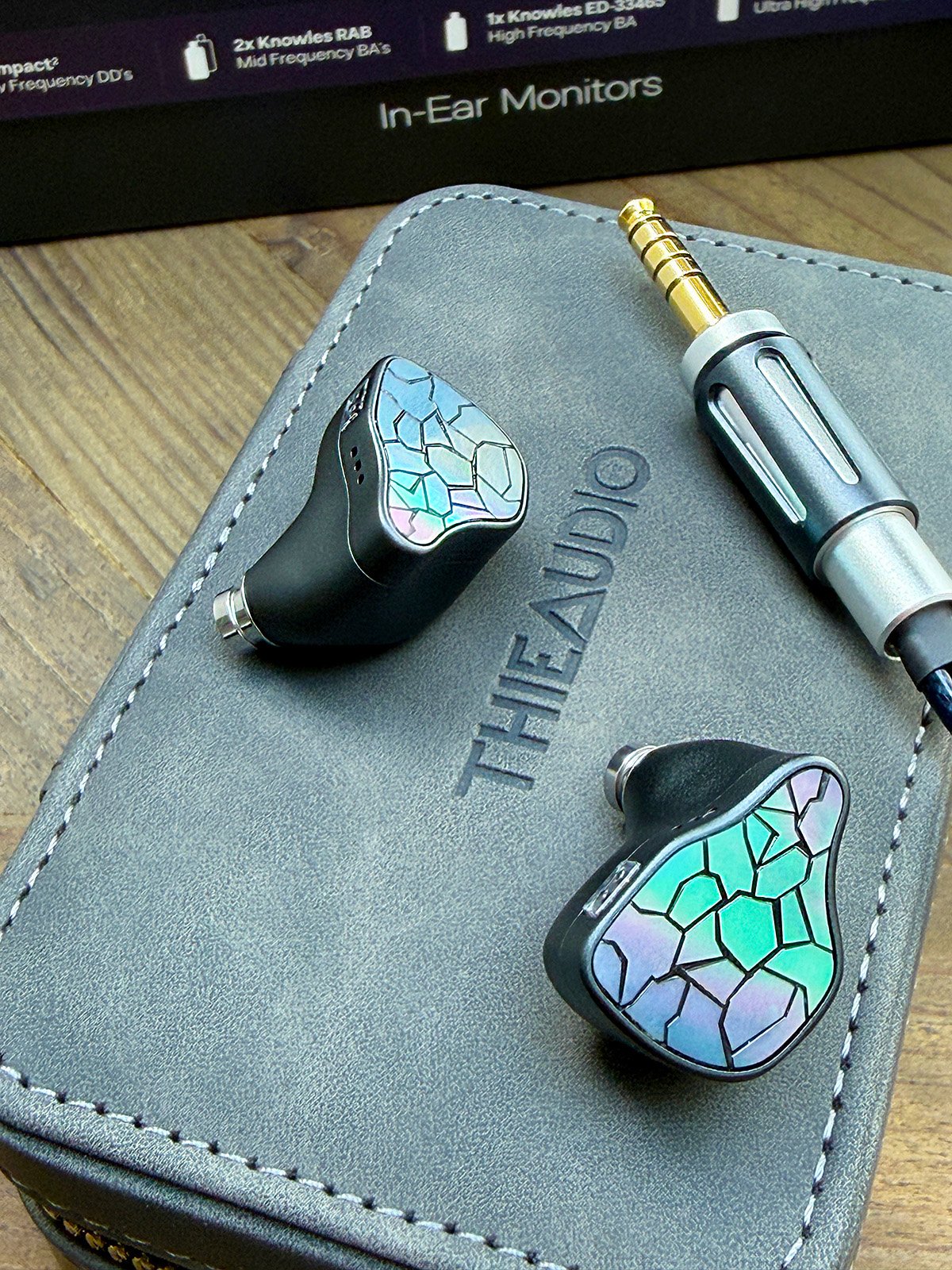
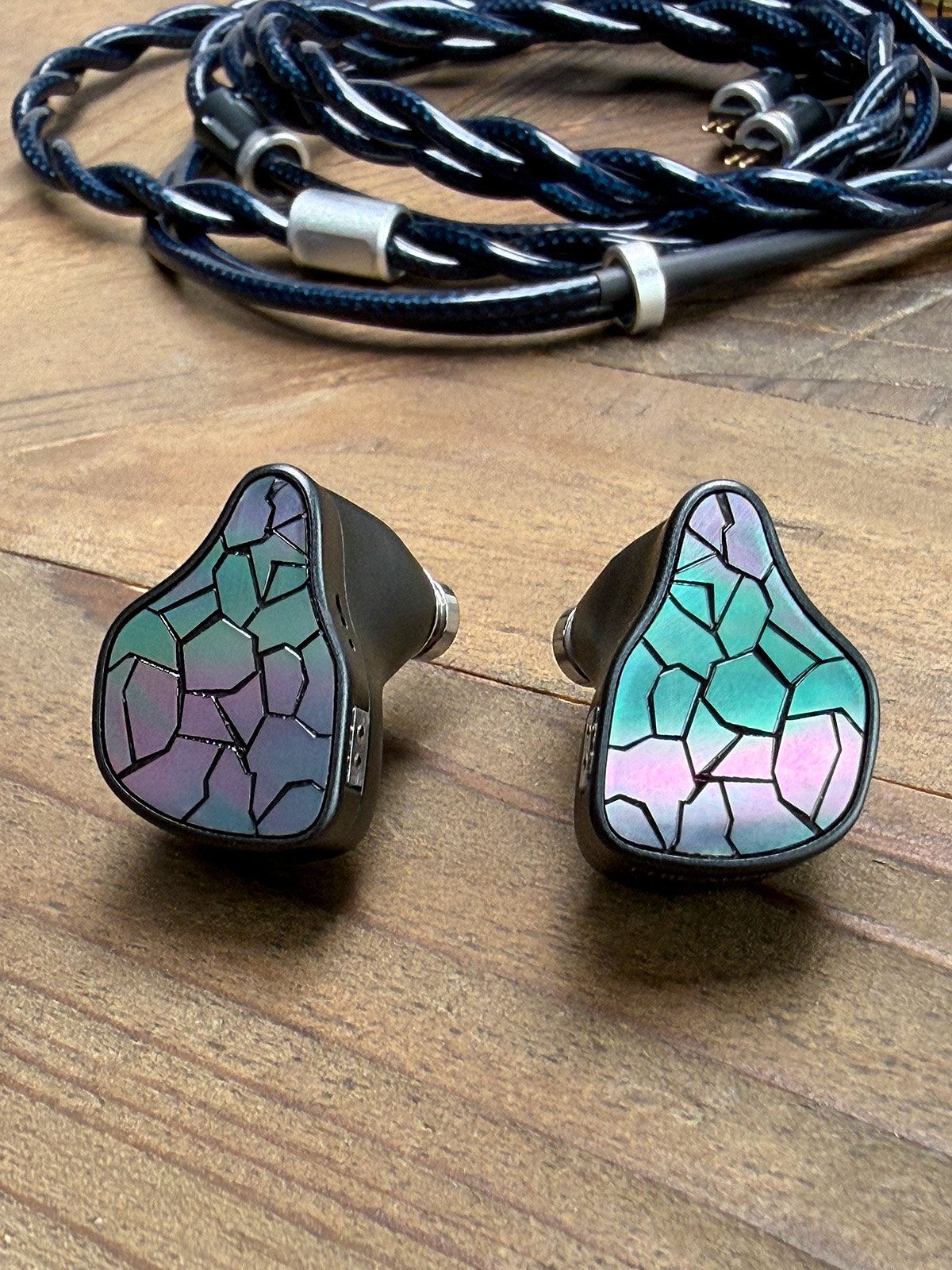
The original Hype 4 already had a beautiful design, but in our opinion, the Hype 4 MKII looks even better. The resin shells of the original have been replaced with CNC-machined aluminum, which is hand-finished and anodized.
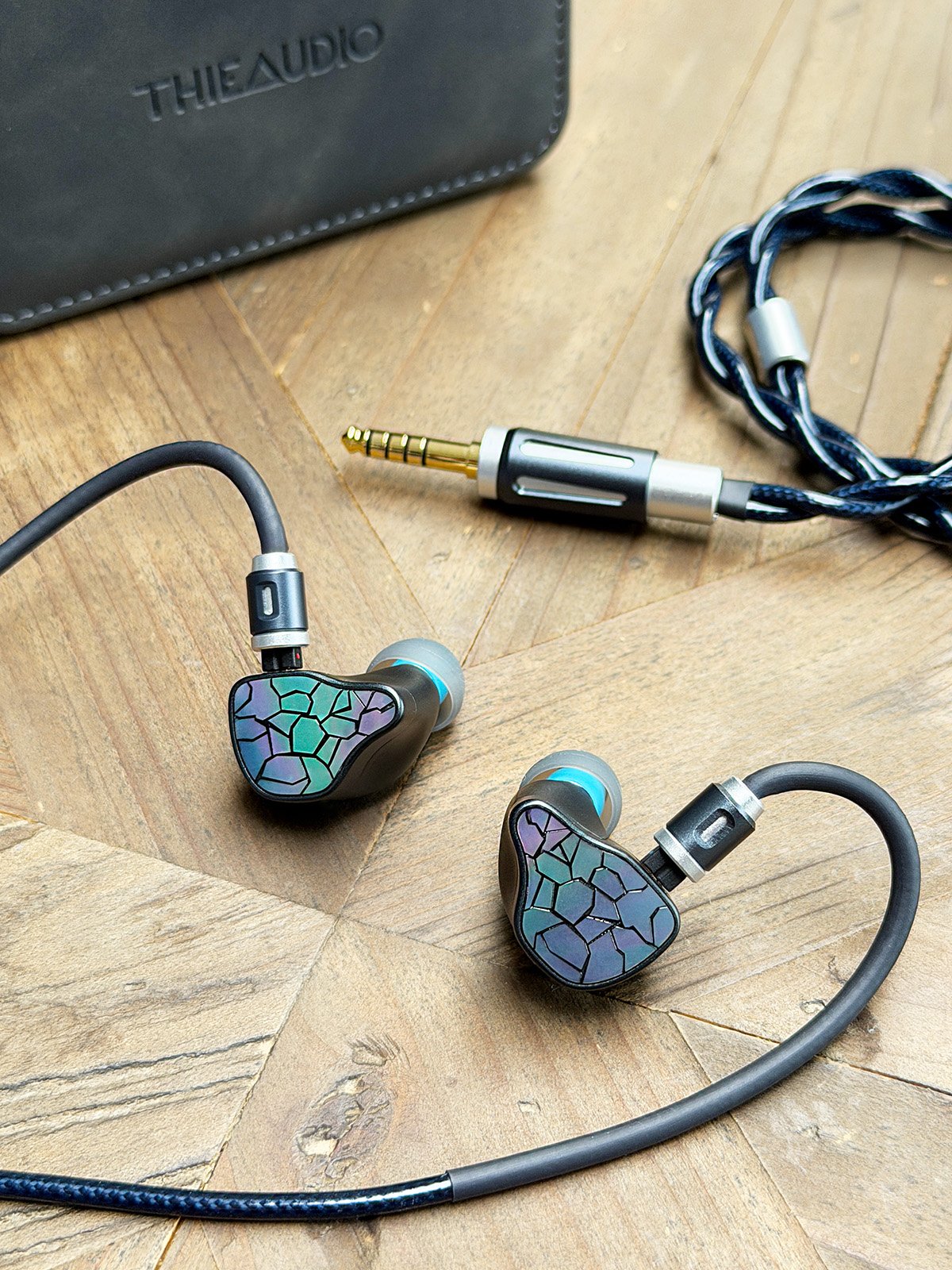
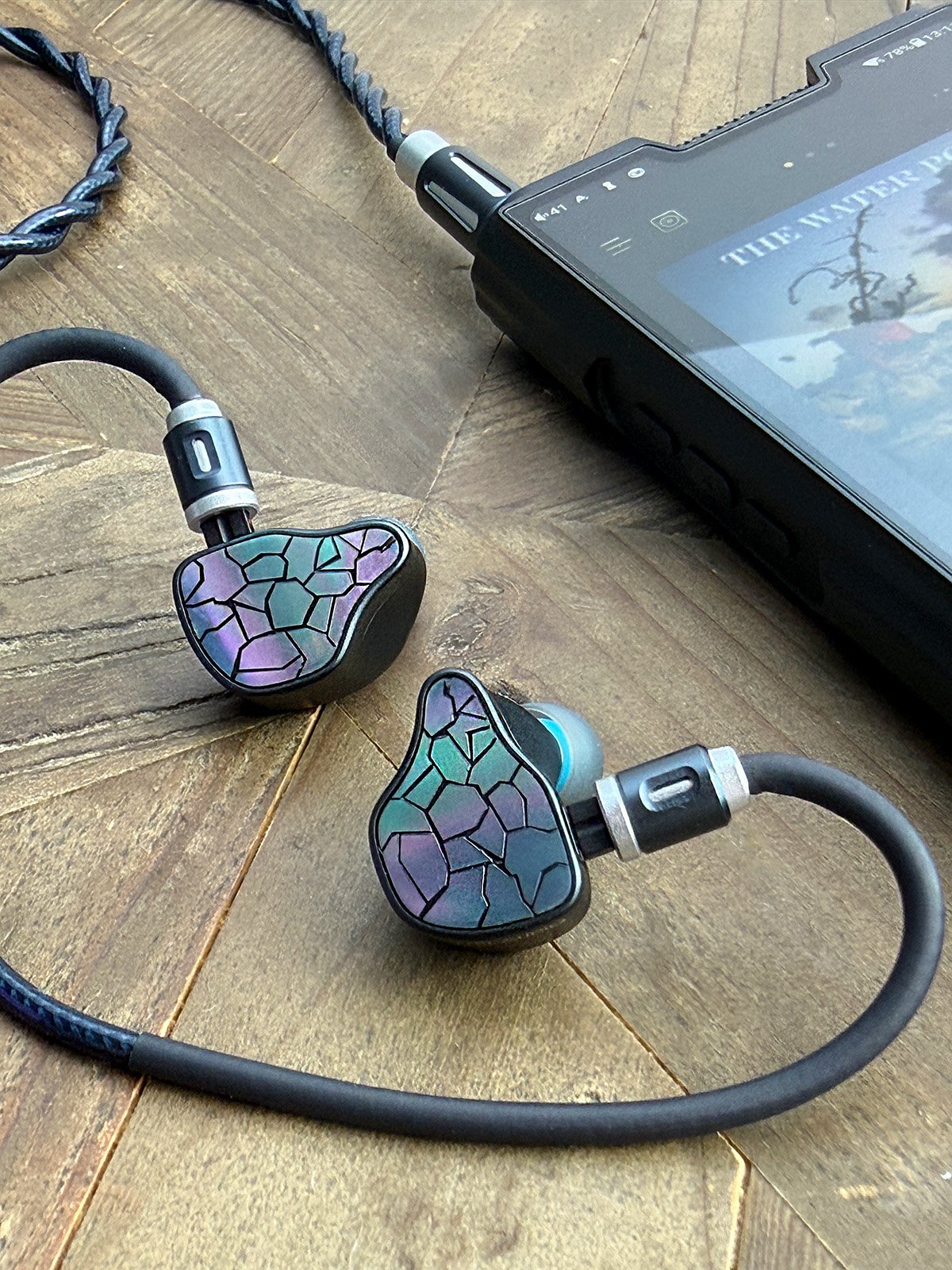
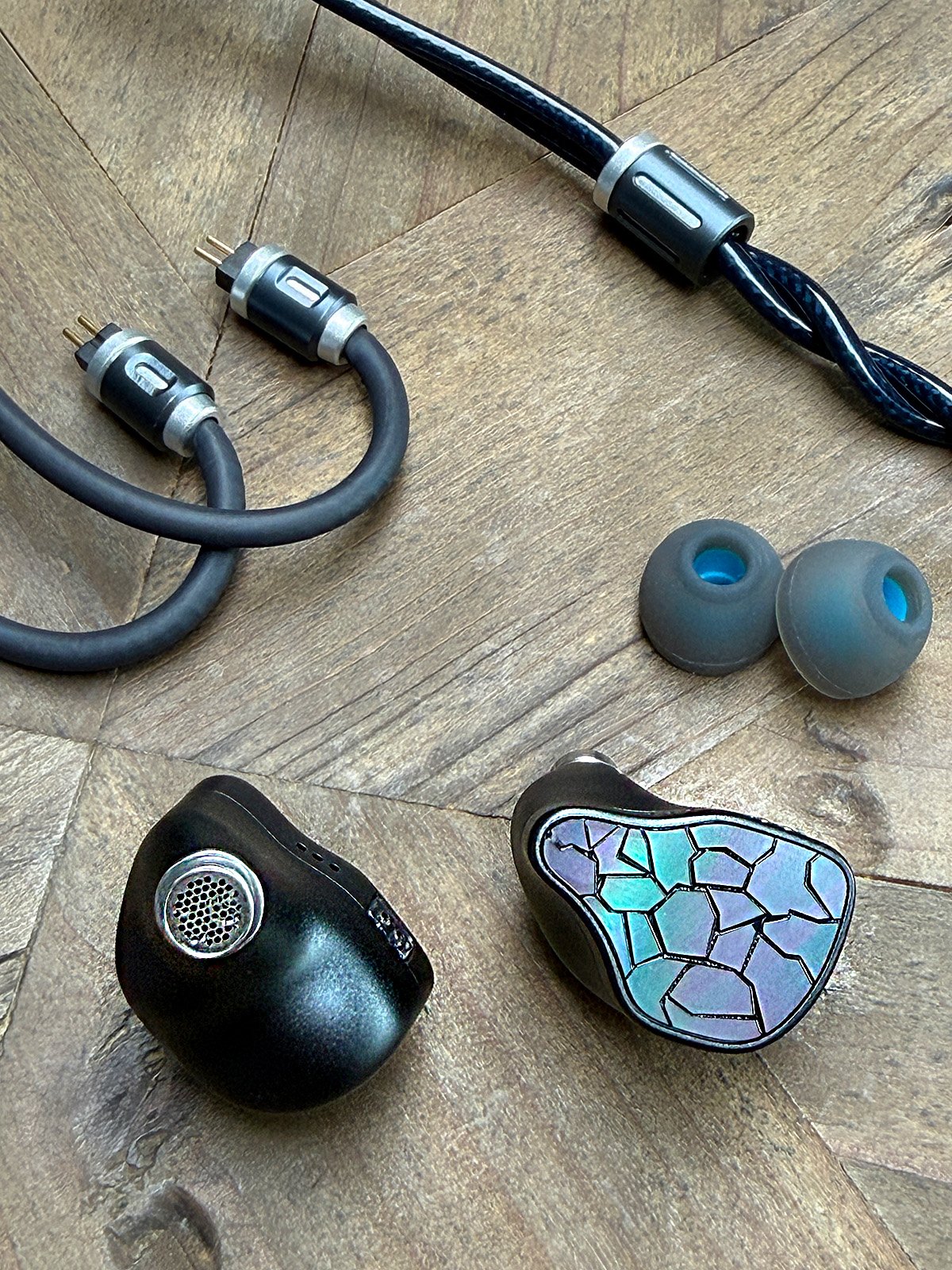
The faceplates have a mosaic-like pattern with blue, green and purple tones that change depending on the angle and lighting. Each shell also has three small vents near the upper section to help prevent pressure buildup.
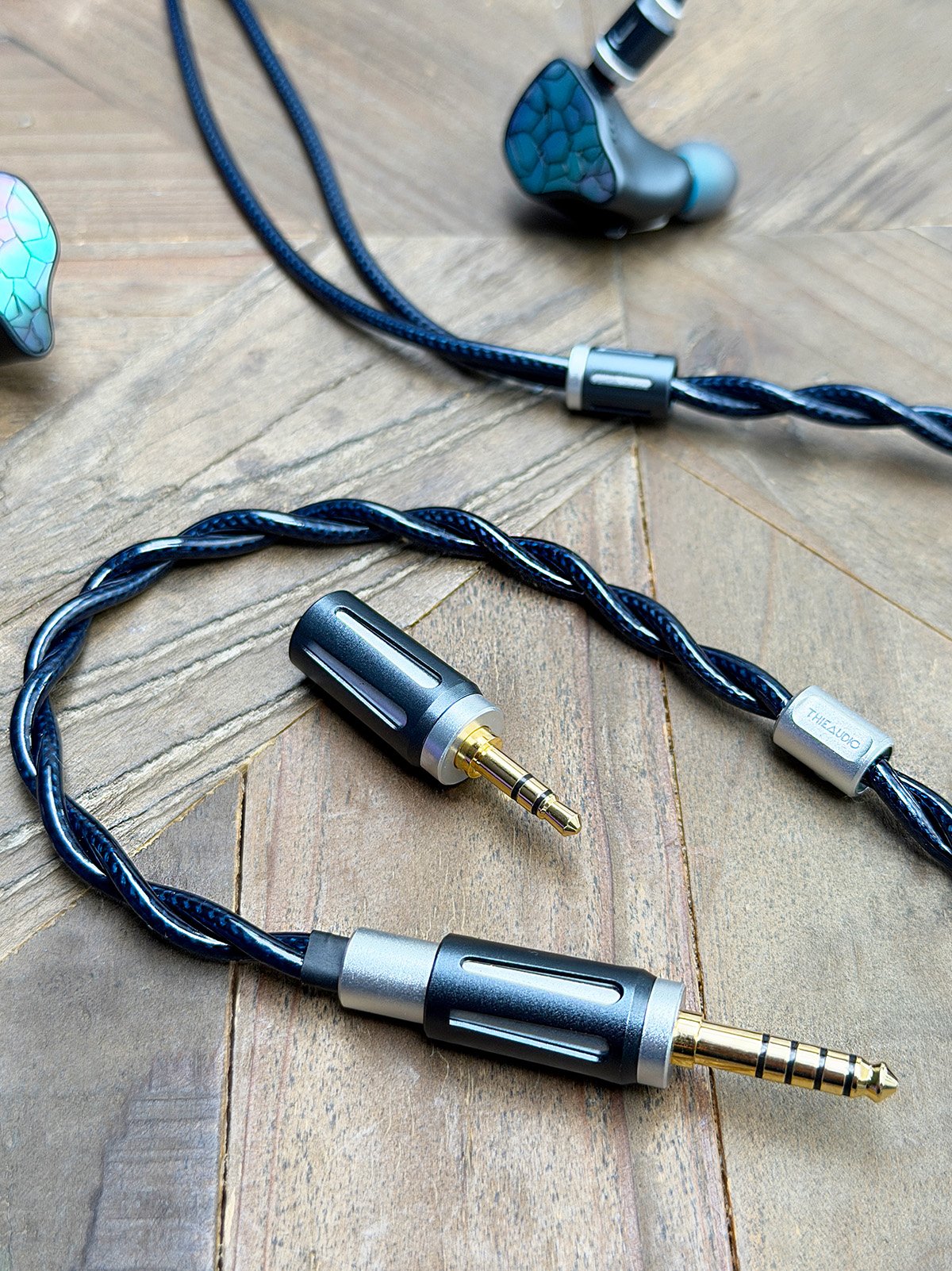
The Hype 4 MKII uses standard 0.78mm two-pin connectors and comes with a new two-core cable made from high-purity copper. The cable has a modular termination with interchangeable 3.5mm single-ended and 4.4mm balanced plugs. The cable has beautifully finished dark blue metal connectors with silver accents. The cable itself is slightly stiffer than average, but still handles well in daily use.
In the box
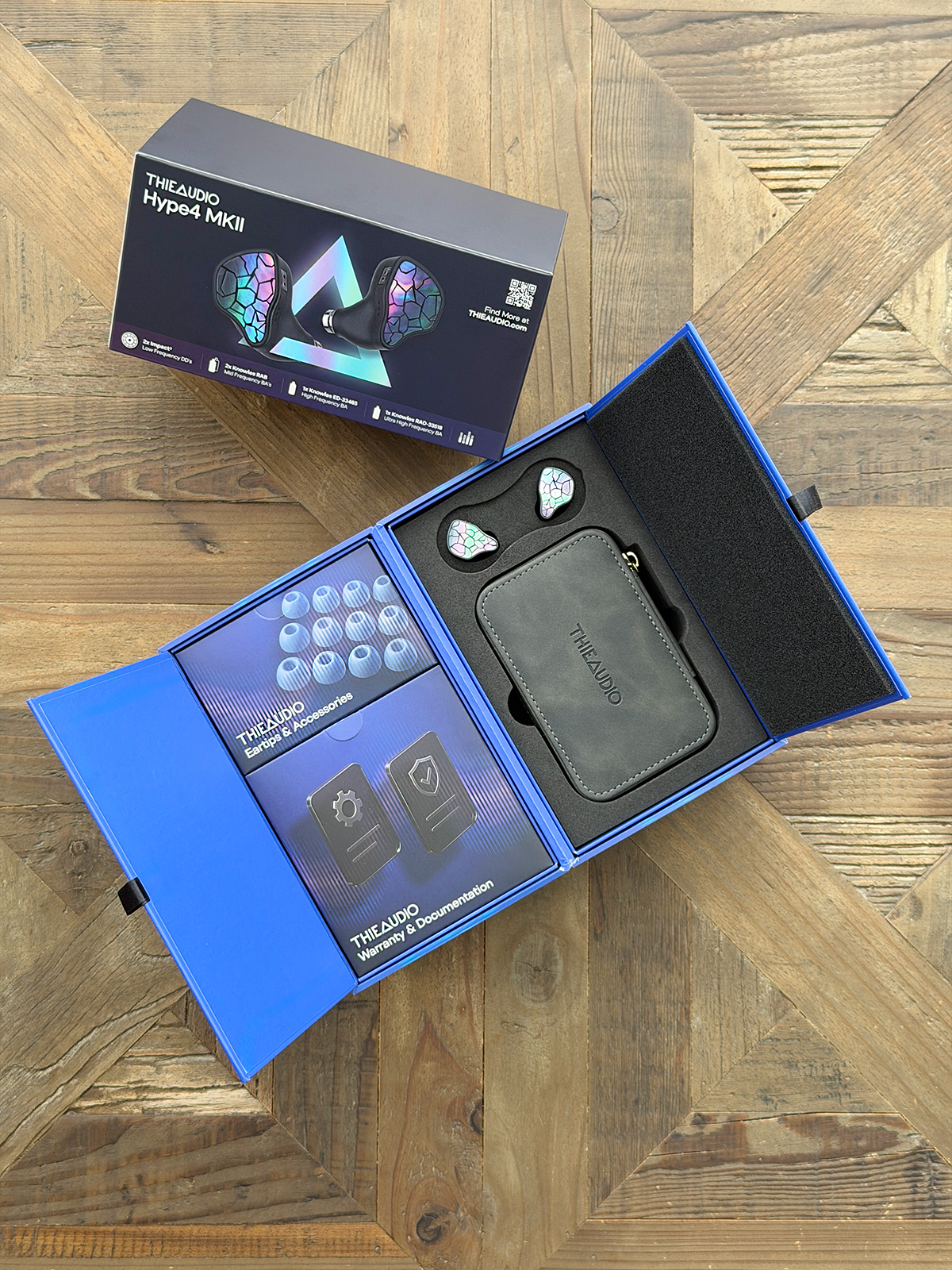
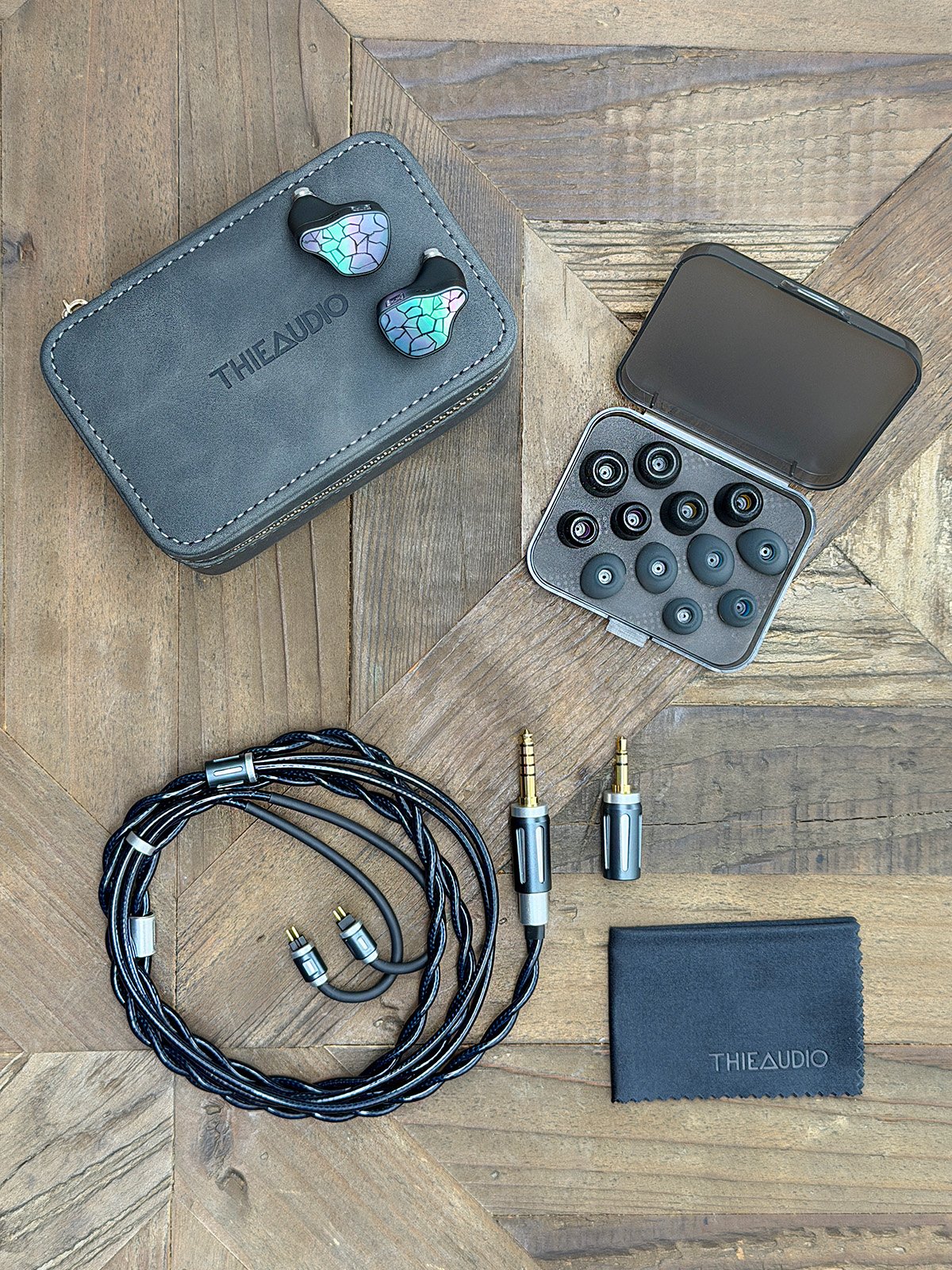
The packaging is compact and well-designed, with a two-section layout. One side contains the ear tips and documentation, while the carrying case and IEMs are stored on the other side. The blue inner box and colorful outer sleeve look excellent and give the packaging a luxurious appearance.
The supplied carrying case has a matte finish with a soft, leather-like texture. The zipper opens and closes smoothly and all parts of the case are well finished. Inside, there is a velvet-like lining and a small mesh pocket for ear tips or other small accessories. There is enough room for the IEMs and cable without packing everything too tightly.
Comfort & Fit
The aluminum shells may look large and heavy, but each shell weighs only around 7 grams, which is surprisingly light considering the metal construction and six-driver configuration. The low weight makes them comfortable to wear, while the rounded shape and smooth edges provide a good fit.
The nozzle has an average length and does not require a deep fit. Getting a good seal is important, as different ear tips can noticeably affect both bass and treble. Isolation is good and blocks out most outside noise. We also experienced no driver flex or pressure buildup during our listening tests, helped by the three vents in each shell.
THIEAUDIO includes two sets of ear tips, both in S, M and L sizes. The grey silicone tips have a wide bore and use soft stems. A set of black foam tips is also included. The silicone tips keep the sound more open, while the foam tips slightly soften the treble and put more emphasis on the bass. We preferred the silicone tips and used them throughout our listening tests.
Technical Specifications
The Hype 4 MKII is a six-driver hybrid, with two 8mm composite-diaphragm dynamic drivers handling the low frequencies and two Knowles RAB balanced armatures covering the midrange. A Knowles ED-33465 handles the high frequencies, together with a Knowles RAD-33518 ultra-tweeter.
One of the main changes compared with the original Hype 4 is the choice of balanced armatures. The Sonion drivers used in the original have been replaced entirely by Knowles drivers in the MKII. The two dynamic drivers are part of the latest generation IMPACT² subwoofer system, which is also used in the Monarch MKIV. The driver configuration is combined with a four-way crossover and four acoustic tubes.
IMPACT² (Impact Squared) is THIEAUDIO’s dual dynamic driver bass system. It uses two dynamic drivers working together inside a dedicated acoustic chamber, with the main focus on sub-bass performance. The second generation uses smaller 8mm composite-diaphragm drivers and an updated pneumatic chamber design.
With an impedance of 18 ohms and sensitivity of 101 dB, the Hype 4 MKII is not difficult to drive. A capable dongle DAC or DAP provides more than enough power, although our listening tests showed that the quality of the source certainly matters. Differences between the sources we used were clearly audible.
Specs
- Driver configuration: 2DD + 4BA hybrid
- Dynamic drivers: 2 × 8mm composite diaphragm dynamic drivers
- Bass system: 2nd-generation IMPACT²
- Midrange: 2 × Knowles RAB balanced armature drivers
- High frequencies: 1 × Knowles ED-33465 balanced armature
- Ultra-high frequencies: 1 × Knowles RAD-33518 ultra-tweeter
- Crossover: 4-way
- Acoustic system: 4 sound tubes, 7 passive components
- Frequency response: 5 Hz – 22 kHz
- Impedance: 18 Ω (±1 Ω)
- Sensitivity: 101 dB (±1 dB) @ 1 kHz
- Shell: CNC-machined solid aluminum, anodized
- Connector: 0.78mm 2-pin
- Cable: Modular
- Terminations: 3.5mm single-ended / 4.4mm balanced
What is in the box
- THIEAUDIO Hype 4 MKII
- Detachable modular cable
- 3.5mm plug & 4.4mm plug
- Spare wax guards
- Multiple sets of ear tips
- Carrying case
- Warranty card
- User documentation
Test equipment:
Sound quality
With two dynamic drivers for the low frequencies, you might expect the Hype 4 MKII to have a strong emphasis on bass. It certainly reaches deep, but the bass does not dominate the sound. The emphasis is mainly in the sub-bass, with good depth and impact. Mid-bass is tight and fast, with enough weight to give bass instruments good body without adding too much warmth to the lower midrange.
The Hype 4 MKII has a neutral, slightly U-shaped tuning and sounds clear, open and energetic. The midrange is clean and natural, with enough body for vocals and instruments. It is not particularly warm or thick sounding. There is more energy through the upper mids and lower treble. The upper treble extends well, adding air and sparkle.
The Hype 4 MKII has good dynamics. Drums hit firmly and bass notes are fast and direct. Differences between softer and louder passages are reproduced very well, with enough impact when the music calls for it. Technical performance is excellent, with a fast response and a high level of detail.
Treble
The Hype 4 MKII has an energetic treble, with a slight emphasis in the lower treble. Cymbals and hi-hats sound clear and fast, with good bite and natural decay. The upper treble extends well, adding enough air and space to the presentation, which works particularly well with jazz and classical recordings. We did not notice any sibilance, although the treble can occasionally become a little prominent, depending on the source.
Midrange
The midrange has a natural balance, although vocals are positioned slightly further back than on the original Hype 4. This gives instruments more room, while the lower midrange still has enough weight to give vocals and instruments good body. Timbre is very good. Strings sound lively and well textured, acoustic guitars have a natural decay and piano has good body. The upper midrange adds clarity and definition without making vocals sound too thin. There is a nice sense of openness throughout the midrange.
Bass
The Hype 4 MKII reaches deep into the sub-bass, with strong rumble and impact. The emphasis is more on sub-bass than mid-bass. Bass is fast and well controlled, with a short decay that keeps notes tight and clearly defined. There is also good texture in the bass. Double bass and bass guitar have good definition, making individual notes easy to distinguish. The deepest notes can really be felt, while the upper bass stays tight and well defined. Kick drums hit firmly and bass instruments have good body without sounding too thick.
Soundstage & Imaging
The Hype 4 MKII has a wide soundstage with natural proportions. There is a clear difference between instruments positioned closer and further away, giving the stage a good sense of depth. Imaging is accurate, with precise positioning across the soundstage. Separation is excellent with complex jazz and classical recordings where several instruments are playing at the same time.


Listening Impressions
With Sophie Milman “Day In, Day Out,” her voice sounds clear and has good body, without being too far forward. The double bass goes deep and has weight, but it stays well separated from the midrange and doesn’t add any extra warmth to her voice. Piano and percussion are clearly separated and small details in her voice are easy to hear.
On Catherine Russell “Everybody Loves My Baby,” her voice sounds lively, while the brass is clear and energetic. The trumpet and percussion are well separated and there is good space between the instruments. The treble is quite present on this recording, especially with brass and cymbals, but we did not hear any sharpness or sibilance.
Gordon Goodwin’s Big Phat Band “Count Bubba” is a full big-band arrangement with many instruments playing at the same time. The Hype 4 MKII keeps the different sections of the band well separated, especially when the brass, drums and bass are all playing together. Drums sound fast and punchy, while the horns sound lively and remain smooth at the top. The soundstage is wide and there is good depth in the recording.
With Patricia Barber “This Town,” you can clearly hear how deep the bass of the Hype 4 MKII goes. The lowest notes have considerable weight and good layering. The mid-bass is less pronounced, keeping Barber’s voice clean and preventing it from sounding too warm or thick. Bass notes are fast and controlled with a clean attack and short decay.
With Poncho Sanchez’s “Just a Few,” the percussion sounds fast and direct. Congas have a firm attack and the different instruments are easy to distinguish. Brass and cymbals have quite a bit of energy, while the bass has good weight and speed. As more instruments join in, they stay well separated.
Synergy
The Hype 4 MKII does not require much power, but it clearly benefits from a good source. Differences in source quality are easy to hear, while the character of the source can put more emphasis on certain parts of the sound. This is mainly heard in the midrange and treble. The bass also changes between sources, although the differences are smaller.
With the Chord Mojo 2, the Hype 4 MKII sounds a little smoother in the upper frequencies. The Mojo 2 adds some body to vocals and instruments, which fills out the relatively neutral midrange of the Hype 4 MKII. Sub-bass is deep and powerful, while the mid-bass gains a little more weight. The treble is still open and detailed, but has a softer character than with the Element IV.
The JDS Labs Element IV keeps the tonal balance closer to that of the Hype 4 MKII itself. Sub-bass is deep and tightly controlled, while the mid-bass stays balanced and the midrange remains clean. The energetic upper mids and treble are also more apparent with this combination. The Element IV has a very clean sound, which puts more attention on separation, imaging and the speed of the Hype 4 MKII.
The Campfire Audio Relay DAC adds more warmth through the lower midrange. Vocals sound fuller and the transition from bass to midrange has a little more weight. This changes the balance of the Hype 4 MKII, which by itself puts more emphasis on sub-bass than mid-bass. Treble is clear, but is less pronounced than with a more neutral source. The different digital filters of the Relay also allow small changes in the upper frequencies.
With the Burson Audio Conductor Stellar, the Hype 4 MKII has a little more body through the midrange. Vocals sound slightly fuller, which works well with the neutral character of the Hype 4 MKII. Bass remains fast and controlled, with deep sub-bass and a little more weight through the mid-bass. Treble is clear and extended, but sounds slightly smoother than with the Element IV. Separation and imaging are excellent.
The differences between these sources also show why source choice matters with the Hype 4 MKII. The Mojo 2 adds some body and smooths the upper frequencies, while the Element IV stays closer to the neutral and energetic character of the IEM. The Conductor Stellar adds a little more body through the midrange while retaining excellent separation and imaging. The Relay brings some extra warmth through the lower midrange and a slightly softer treble.
Conclusion
The Hype 4 MKII brings several important changes over the original, including the aluminum shells, new Knowles drivers and the second-generation IMPACT². Build quality is excellent, comfort is good and the new modular cable is a welcome upgrade.
Sub-bass reaches deep and stays fast and controlled, while the mid-bass has enough weight without adding too much warmth. The midrange sounds natural and the treble is clear and well extended. Detail retrieval, separation and imaging are excellent.
Compared with the original Hype 4, the MKII sounds cleaner and more open, with less warmth in the mid-bass. The original has a warmer character that some listeners may prefer. The MKII gives you better separation, more detail and a bigger stage.
We really enjoyed our time with the Hype 4 MKII. It sounds great across a wide range of genres, performs at a very high technical level and has been a pleasure to listen to. An easy recommendation from us.
Pros
- Excellent sub-bass extension and control
- Natural and well-defined midrange
- Excellent detail retrieval
- Wide and deep soundstage
- Precise imaging and separation
- Excellent build quality
- High-quality modular cable
- Excellent value for money
Cons
- Treble can become prominent with some sources
- The cable could be more flexible
- Shell size may not suit smaller ears