Good audio has never been just about what can be measured. How we hear and experience music matters just as much, something HIDIZS has focused on throughout its history. With well over a decade of experience, the company is certainly no newcomer to the HiFi world.
Much of that thinking goes back to Hidizs founder Tamson, whose connection with music began long before the company itself. After founding Hidizs in 2009, Tamson and his team spent several years developing the company’s first portable HiFi player. That first player became the AP100. It launched in 2014 and helped put Hidizs on the map. A few years later, the much smaller AP80 followed and became the start of a series that Hidizs continues to develop today.
Hidizs didn’t stop at digital audio players and expanded its line-up to include portable DACs and IEMs. An important addition to that line-up was the MP145, launched in 2023 as the company’s first planar magnetic IEM. The new MP145 Pro builds on that foundation with several refinements and improvements. Let’s explorer what Hidizs has done with the new Pro.

Design
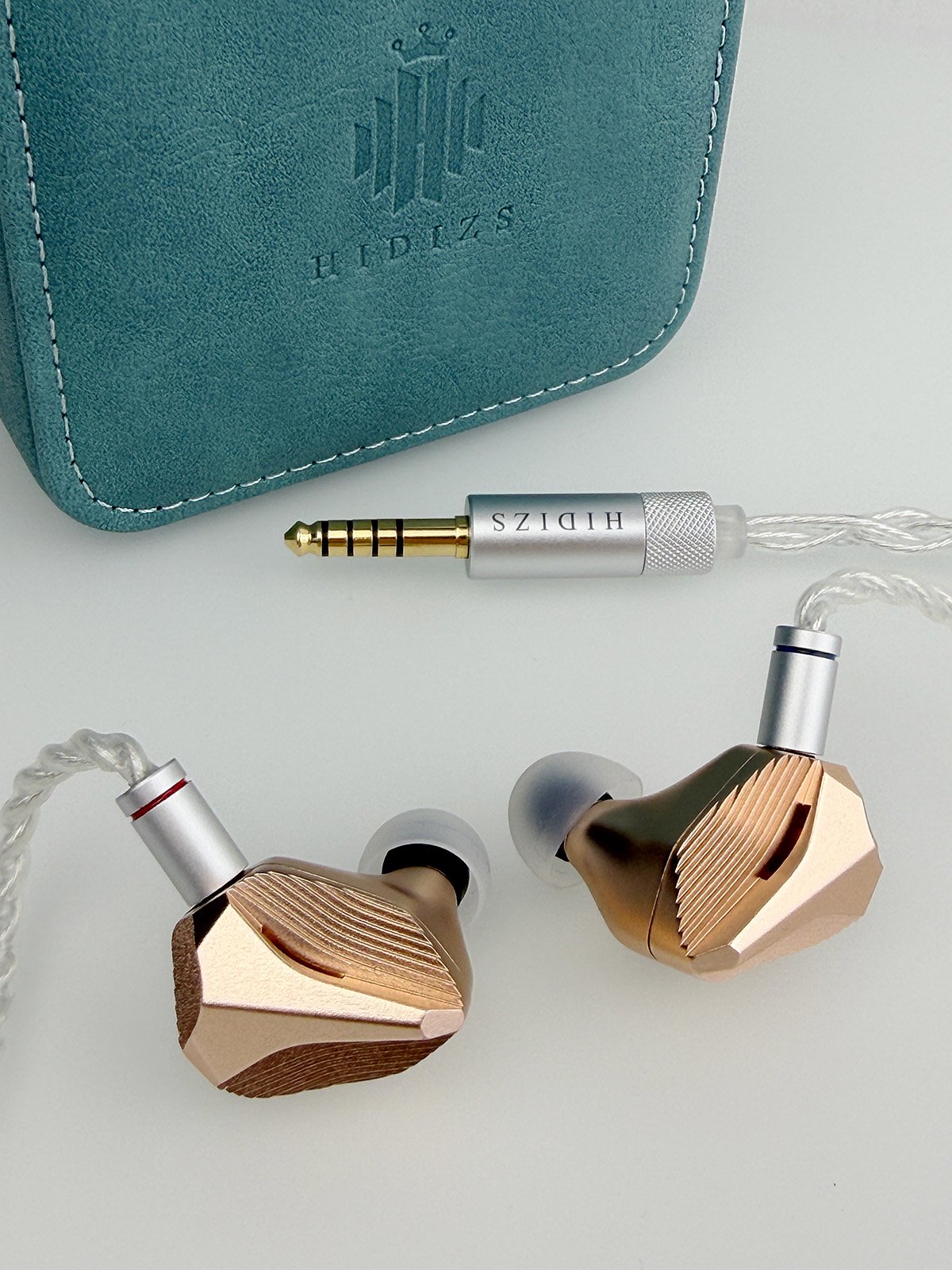
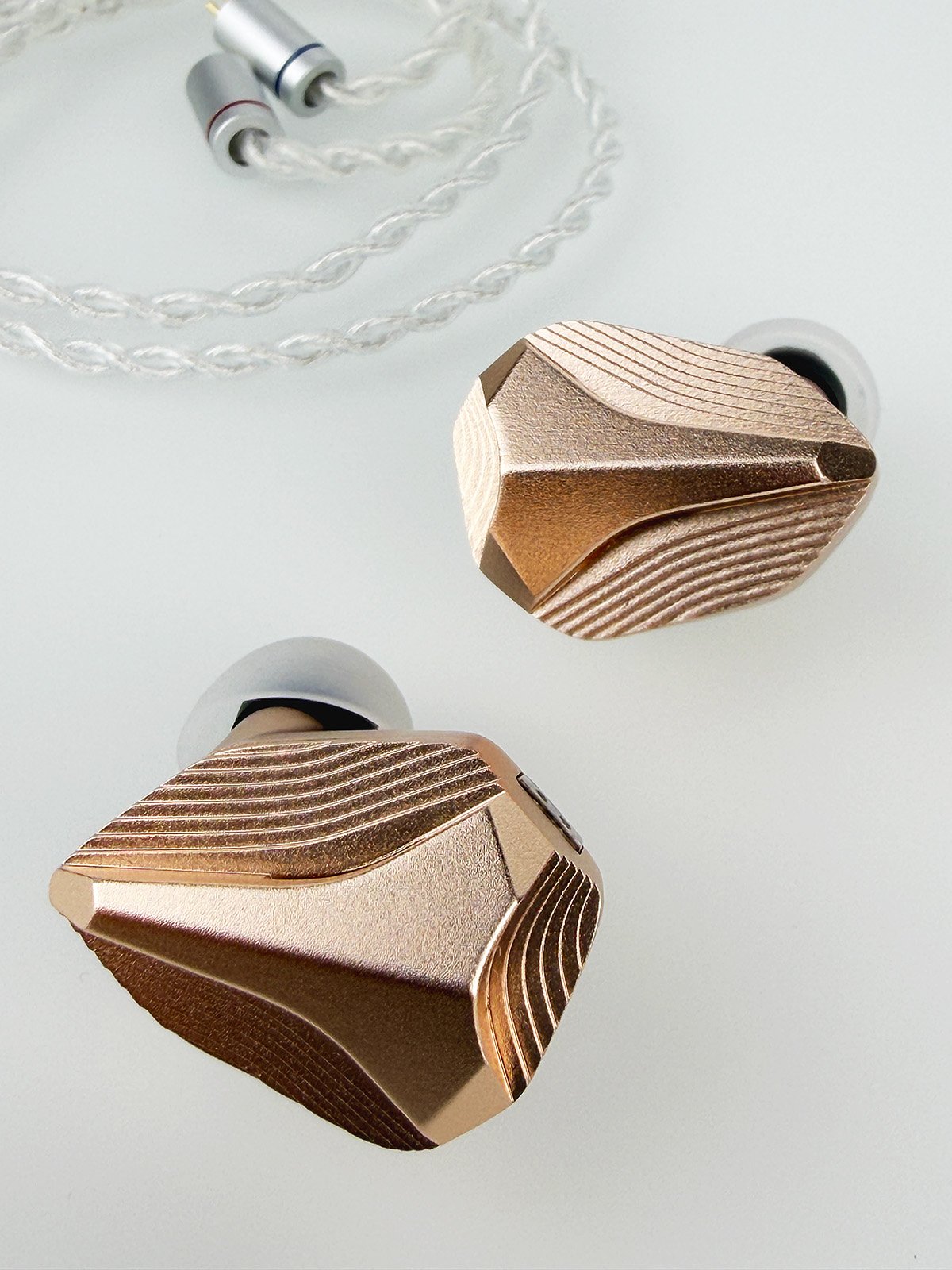
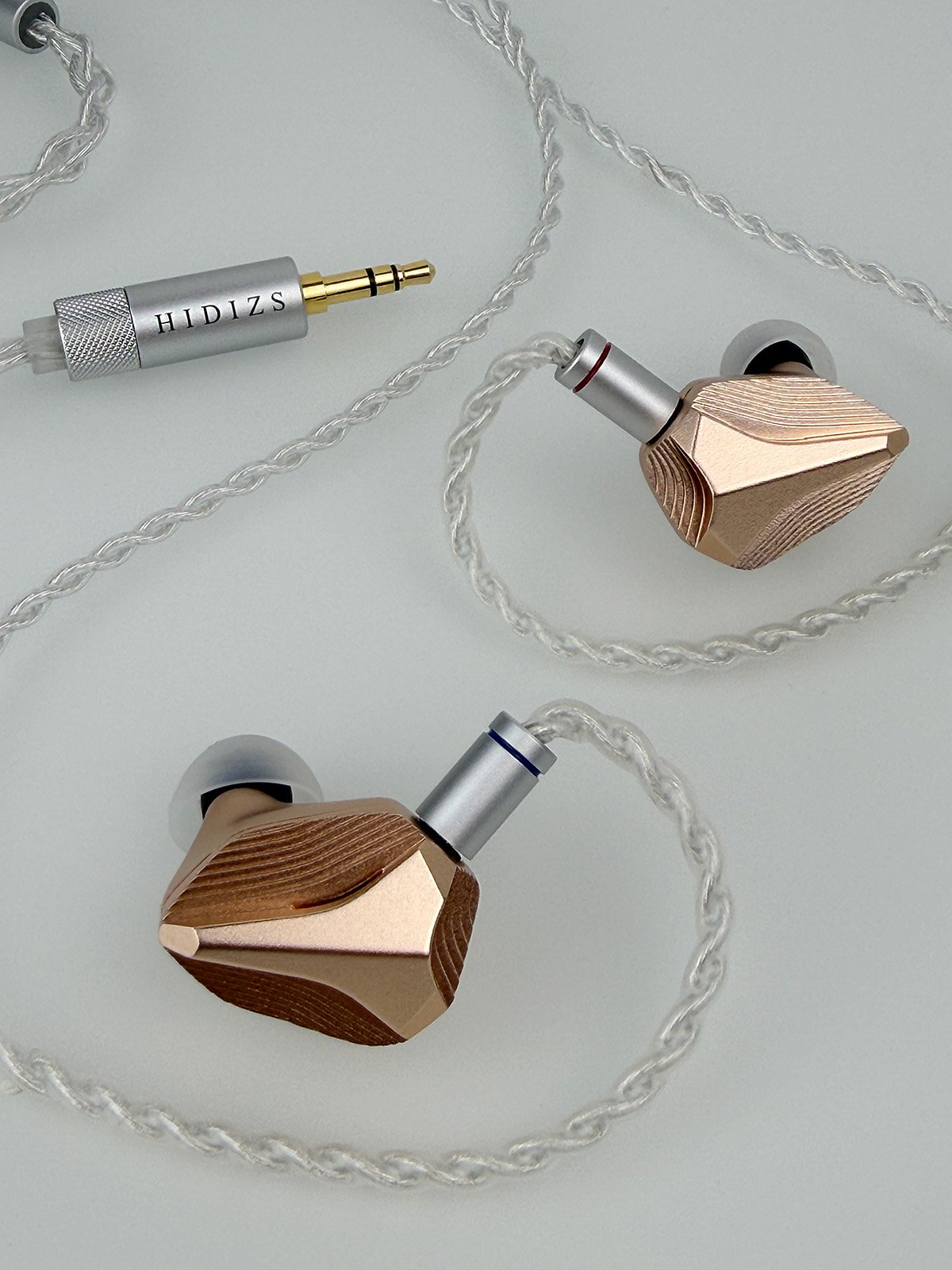
The MP145 Pro is a fairly large IEM, which is not surprising considering the 14.5mm planar driver inside. The aluminium shells feel very solid and the finish is excellent, giving the MP145 Pro a high-quality feel.
The shape is distinctive and follows the same whale-inspired theme as the original MP145, with faceplate lines based on a whale’s tail and baleen pleats. There is a story behind that theme. Hidizs first partnered with Whale and Dolphin Conservation (WDC) for the MP145 and that partnership continues with the MP145 Pro. It is an unexpected connection for an IEM, but one that gives the design a bit more meaning than simply being decorative.
The MP145 Pro weighs around 9.5 grams. Hidizs has slightly adjusted the shape for a more comfortable fit. For an IEM this large, it is surprisingly comfortable. The rounded inner surface sits naturally in the ear without any pressure points.
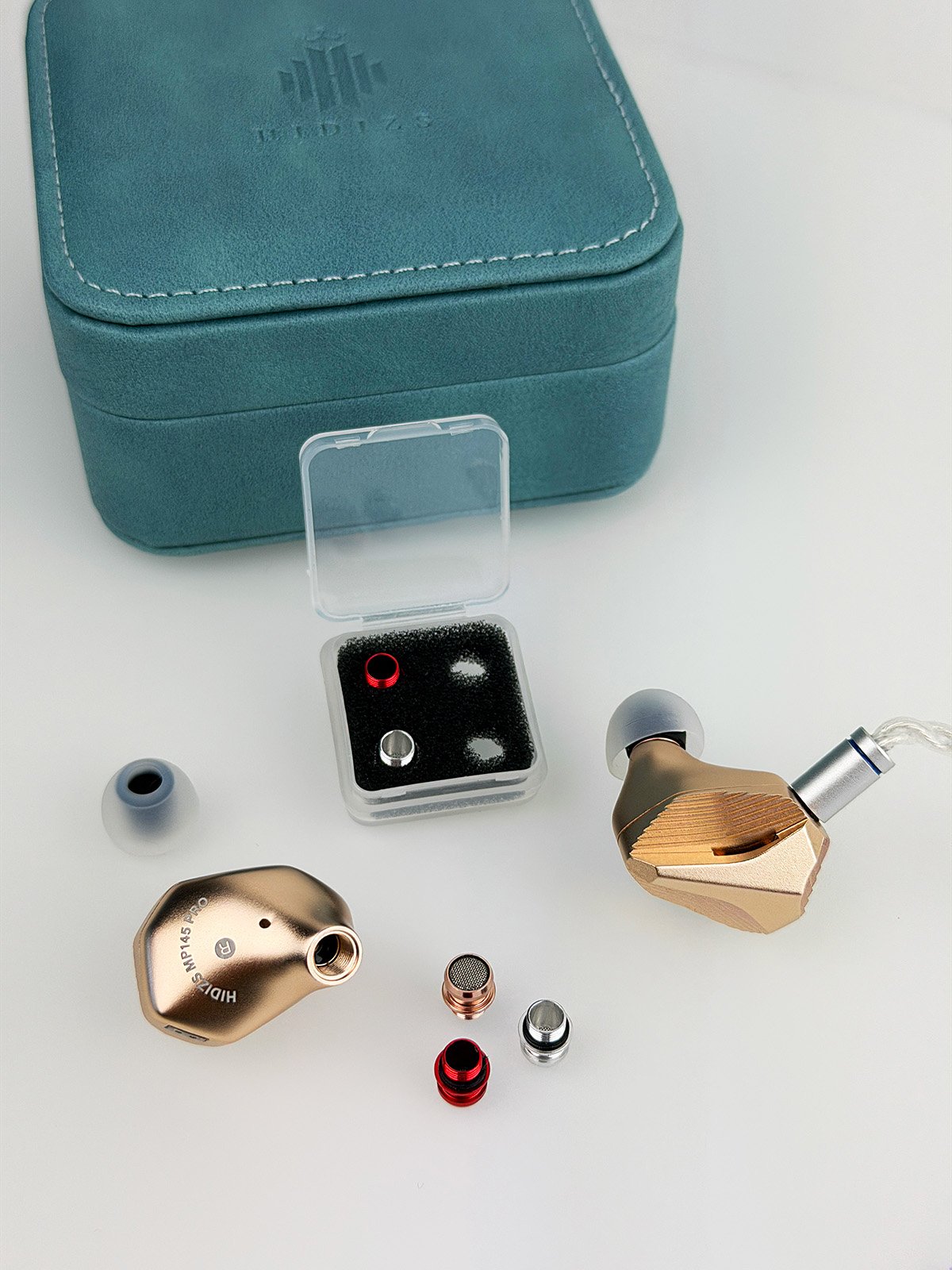
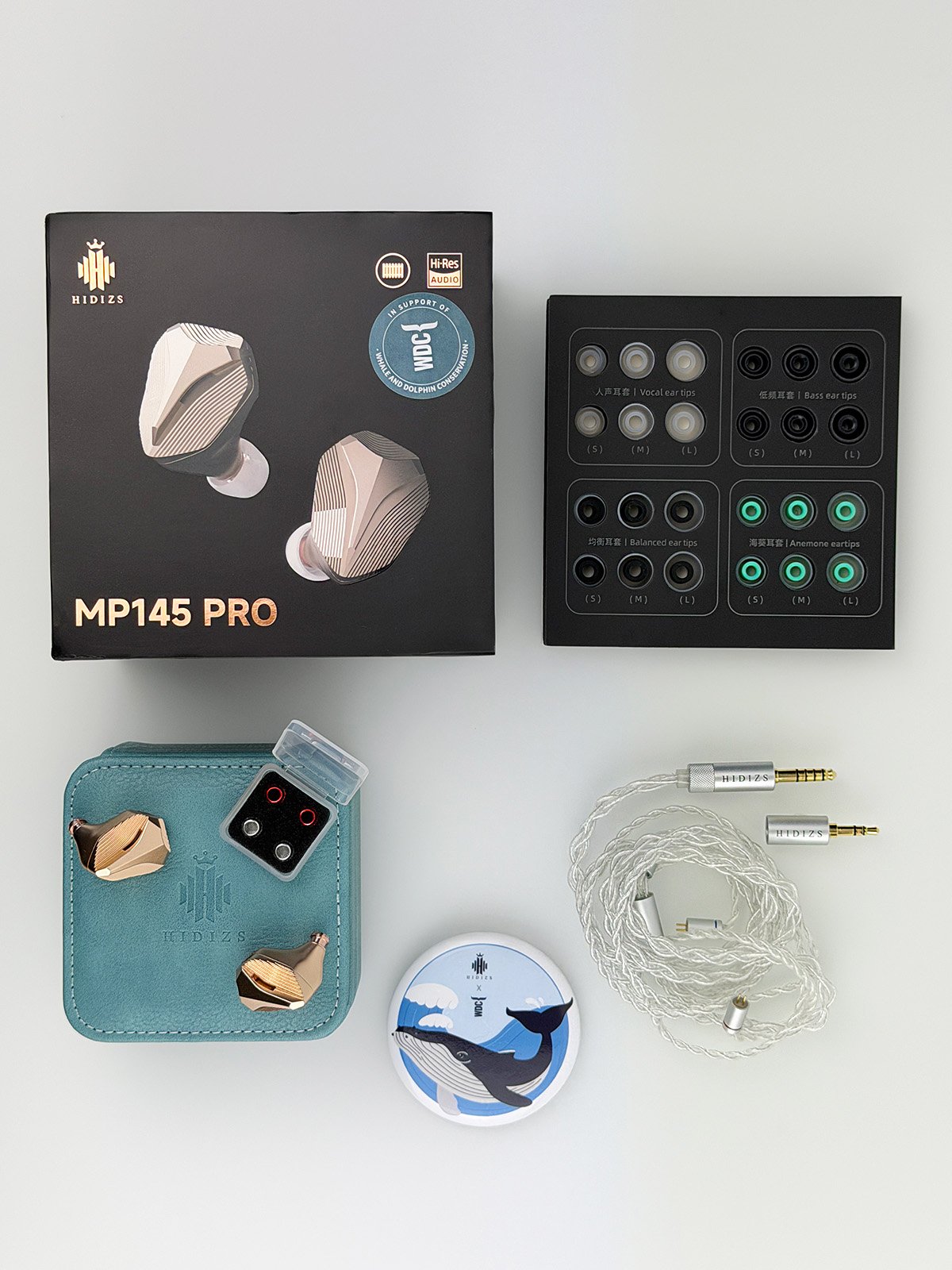
The MP145 Pro uses interchangeable tuning nozzles, giving you control over its sound. The gold-coloured nozzles come fitted as standard, with red and silver alternatives supplied in a separate case. More on that later.
Cable & Accessories
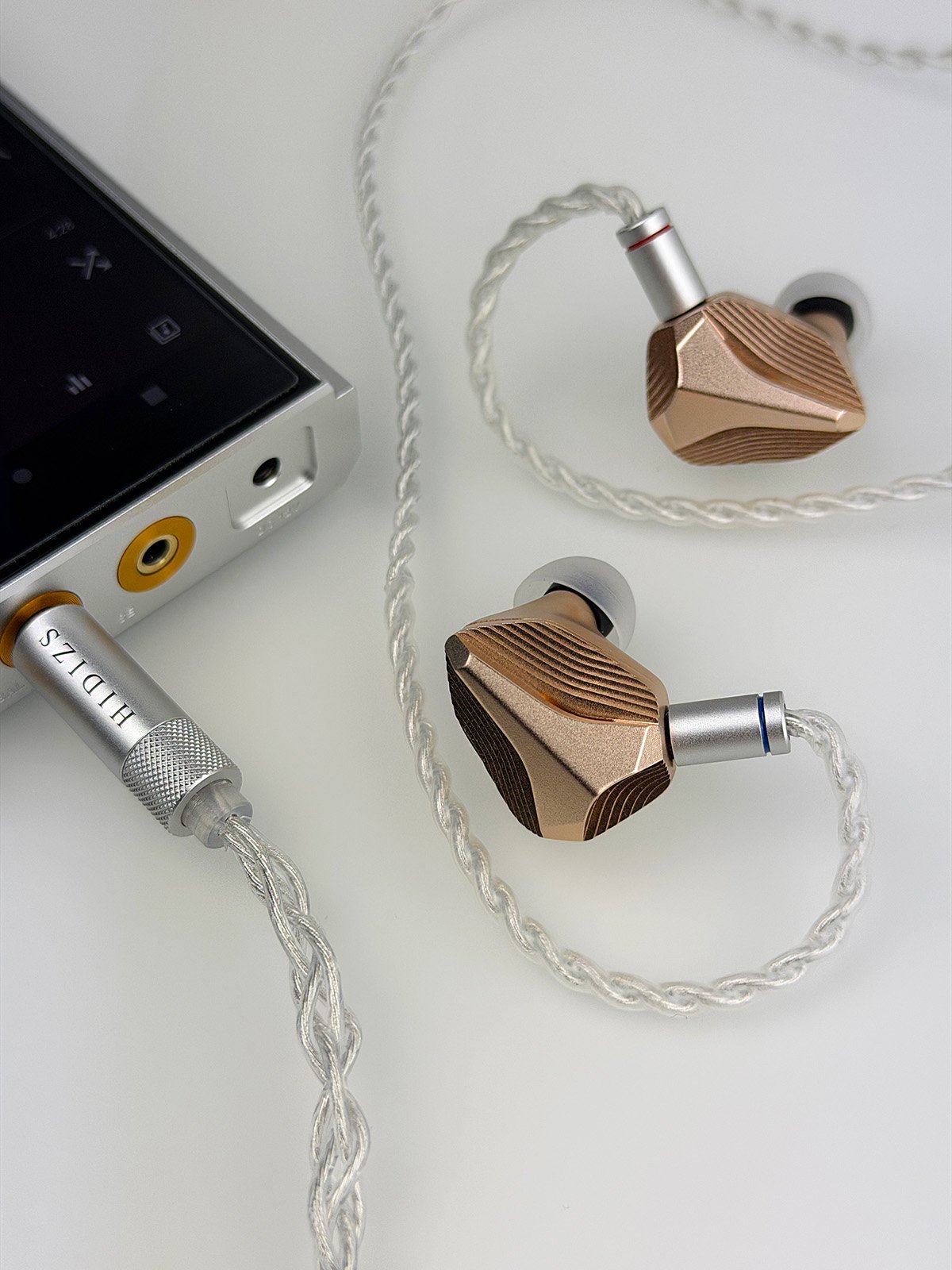
The supplied cable is an excellent four-core 6N silver-plated copper design. It now comes with interchangeable 3.5mm and 4.4mm plugs, which is a welcome improvement over the original MP145. Previously, you had to choose between a 3.5mm and 4.4mm cable when placing your order.
Hidizs also includes a nicely finished semi-hard carrying case with a leather-style exterior, which feels like a clear step up from the simple pouch supplied with the original MP145.
Everything feels well made and nicely finished, and the package includes everything you need. Beyond the IEM itself, it is good to see Hidizs continuing its partnership with WDC and supporting the conservation work they do.
Tuning Nozzles & Eartips
Changing the tuning nozzles is simply a matter of unscrewing one and replacing it with another. Each uses a different acoustic filter, giving the MP145 Pro a slightly different character.
Gold is the most balanced of the three and provides the most neutral overall tuning. Red adds some warmth and body while taking a little energy away from the upper frequencies. Silver moves in the other direction, bringing more presence, clarity and air to the upper mids and treble. The differences between the three nozzles are clearly noticeable and make them a very useful addition. They give you control over the final tuning, allowing you to adjust the sound to better match your preferences.
The supplied eartips give you another way to fine-tune the sound. Hidizs includes four different types in small, medium and large: Vocal, Bass, Balanced and Anemone.
The Vocal tips have a wider bore and add a little more openness and presence to the vocals and upper mids. Moving to the narrower Bass tips gives the sound a fuller and warmer character, with the Balanced tips landing naturally between the two. Alongside these three options, Hidizs also includes Anemone tips. Made from soft liquid silicone, they provide an excellent seal and are very comfortable without shifting the sound too far in either direction.
With four different tip designs and three tuning nozzles, the MP145 Pro gives you several ways to adjust the sound to your preference.
Technical specifications
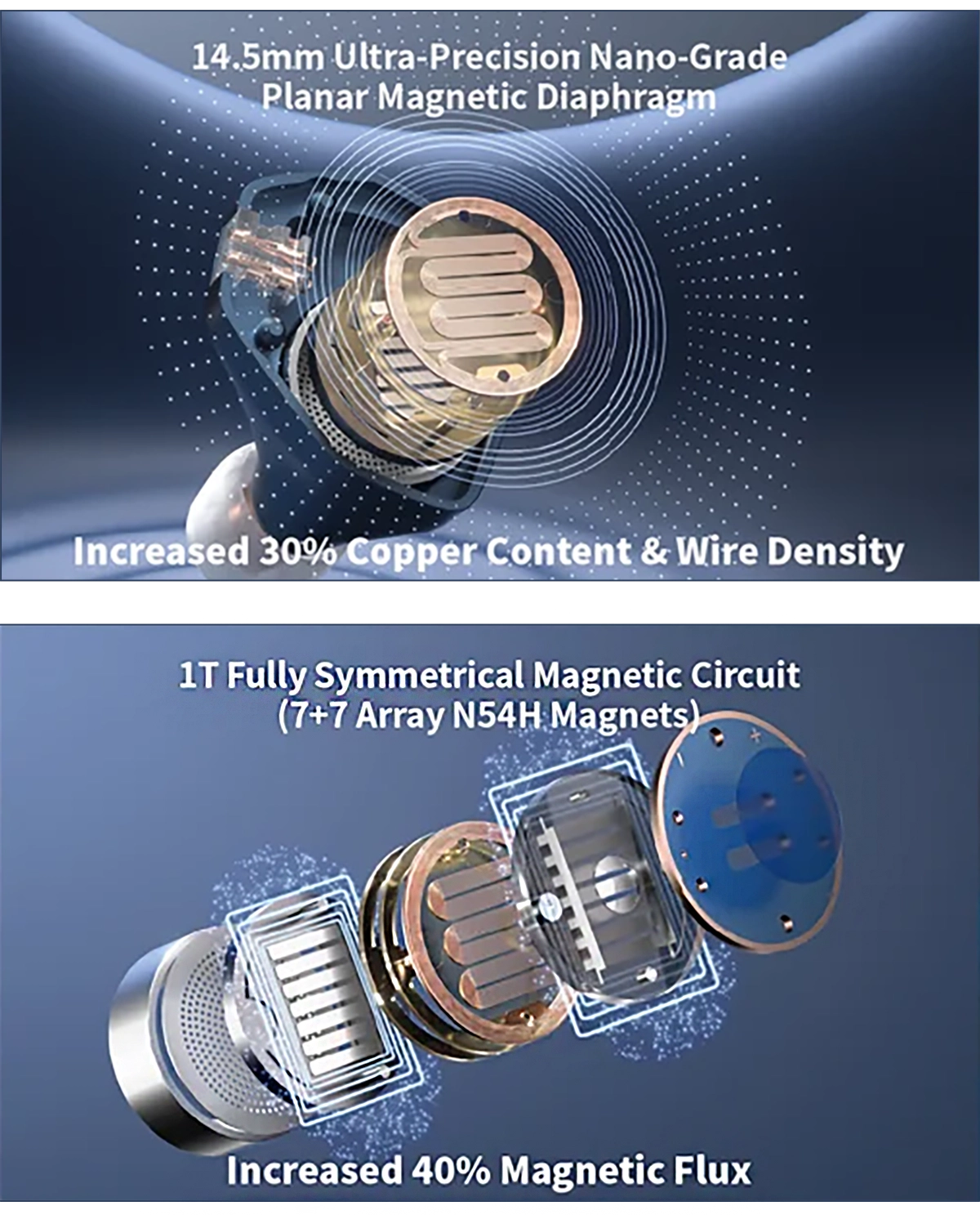
The MP145 Pro uses a single 14.5mm planar driver, retaining the same driver size as the original MP145 but with several changes to its design. Hidizs describes the new diaphragm as an ultra-precision nano-grade design, with 30% more copper and increased wire density.
The magnetic system has also been revised. The MP145 Pro uses a fully symmetrical 1T magnetic circuit with a 7+7 array of N54H magnets. According to Hidizs, the improved magnetic efficiency results in around 40% more magnetic flux than the MP145, creating a more stable magnetic field and improving driver efficiency and transient response.
With an impedance of 30 ohms and a sensitivity of 104dB, the MP145 Pro is relatively easy to drive and does not require a powerful headphone amplifier. The specified frequency response extends from 20Hz to 40kHz, with a dynamic range of 118dB and total harmonic distortion rated at less than 0.05%.
Specs
- Driver: 14.5mm planar magnetic
- Diaphragm: Ultra-precision nano-grade planar diaphragm
- Impedance: 30Ω
- Sensitivity: 104dB
- Frequency response: 20Hz–40kHz
- Dynamic range: 118dB
- Distortion: <0.05%
- Shell material: CNC-machined aluminium alloy
- Tuning system: Three interchangeable acoustic nozzles
- Connector: 0.78mm 2-pin
- Cable: Four-core 6N high-purity silver-plated copper
- Termination: Interchangeable 3.5mm and 4.4mm plugs
- Cable length: 1.2m
- Weight: Approx. 9.5g per earpiece
Test equipment:

Sound Quality
The MP145 Pro has a clean, open and detailed presentation. Compared with the original MP145, the Pro sounds a little less warm, with tighter bass and more energy in the upper mids and treble. Bass is controlled, with good depth and punch. The midrange is clear and vocals have good presence. The extra energy higher up gives the MP145 Pro a slightly livelier character than the original. Resolution is excellent and the sound remains clear even when the music gets busy.
Treble
The treble is clear and energetic, with good extension and detail. Cymbals have a crisp attack, while strings sound clear and natural. The choice of nozzle makes a clear difference here. Silver adds the most upper-end energy and presence, red sounds smoother and warmer, while gold falls somewhere between the two. With the silver nozzle, this extra energy can become quite noticeable with brighter recordings.
Midrange
The midrange is clean and natural, with vocals sitting slightly forward in the mix. It is not particularly warm, but male vocals never sound thin. Female vocals have more energy, as do piano and acoustic guitar. That extra upper-mid presence can be a little more noticeable on brighter recordings.
Bass
Bass is fast and controlled, with good sub-bass extension and enough mid-bass punch. Kick drums sound tight and bass lines sound clear and well defined, with no bass spilling into the midrange. The red nozzle adds a little more low-end and warmth, but even then this is not an IEM for bassheads. There is enough weight and impact, but the bass always feels controlled and well balanced.
Soundstage & Imaging
The MP145 Pro creates a large soundstage, with good width and a convincing sense of depth. Instruments have their own space and their position within the stage is clearly defined. There is also good separation between the different layers within a recording, so even when the music gets busy it never feels crowded.
Compared with the original MP145, the Pro sounds a little more spacious and precise. This works particularly well with jazz and classical music, where the placement of individual instruments and the space around them play an important role.
Pairing
We tested the MP145 Pro with a range of sources to see how it responds to different DACs and amplification. It is easy enough to drive, although its sound changes noticeably depending on the source used.
With the Mojo 2, the MP145 Pro sounds clean and controlled. Bass is tight and precise, the midrange has a natural tone and the treble is smooth and open. Depth and separation are also very good, while the overall sound never becomes too analytical.
The DC-Tonfa adds a little more warmth and body. The difference is most noticeable through the midrange, where vocals and acoustic instruments have a slightly fuller tone. Treble is also a little softer than with the Mojo 2, which gives the MP145 Pro a smoother and more relaxed presentation.
The JDS Labs Element IV takes a more neutral approach. It keeps the MP145 Pro sounding open and precise, with a tight low end and very little added character of its own. Detail and separation are excellent. The neutral character of the Element IV makes the differences between the tuning nozzles and eartips more apparent.
Moving to the Conductor Stellar brings more weight and control to the bass, together with a larger soundstage and excellent separation. Dynamics also improve and there is more authority to the overall presentation. The MP145 Pro certainly does not need the power the Stellar has available, but it does benefit from higher-quality amplification.
What these four sources show is that the MP145 Pro does not need expensive equipment to sound good, but it does respond to what you connect it to. The Mojo 2 brings refinement, the DC-Tonfa adds warmth, the Element IV gives you a more neutral reference, while the Stellar shows that there is still more to gain from a capable desktop amplifier.

Listening impressions (with the gold nozzle in place)
Sarah McKenzie – Tea for Two (Paris in the Rain)
“Tea for Two” showed that the MP145 Pro works particularly well with a small jazz ensemble. Sarah McKenzie’s voice sounded natural, with a little warmth that gave it body without losing clarity. The piano had good weight and the double bass sounded full and clearly defined. We also liked the positioning of the musicians. There was a clear sense of where everyone was sitting.
Aukai – Azure (Apricity)
With “Azure”, we immediately noticed the texture of the string instruments. Individual notes were clearly defined, followed by the natural resonance of the strings. The MP145 Pro also gave the recording a good sense of space, with enough air around the different layers without making the presentation sound too large. It worked particularly well with the quiet and intimate character of the track.
Willie Nelson – Georgia on My Mind (Late Night)
Willie Nelson’s unmistakable voice immediately grabbed your attention on “Georgia on My Mind”. It sounded rough and weathered, with warmth and body. Wynton Marsalis’ trumpet had a clear, lively tone, while the piano and saxophone each had their own place around the vocals. The bass had good depth. Even with the full band playing, the MP145 Pro kept everything open and well separated.
Dirk Maassen – The Light You Are (Here and Now)
On “The Light You Are”, the piano sounded very natural. Each keystroke had a clear attack, followed by the resonance of the piano and a gradual decay of the note. The lower keys had good weight and body, while the higher notes sounded clear without becoming too bright. During the quieter parts, the subtle differences between softer and firmer keystrokes came through clearly, adding to the emotion.
Buena Vista Social Club – Candela (Live at Carnegie Hall)
“Candela” immediately brought a lot more energy into the mix. The percussion sounded fast and lively, while the bass gave the track good weight and rhythm. Even when everyone was playing at the same time, the individual voices and instruments never seemed to get lost in the crowd. There was also a real sense of the space inside Carnegie Hall, with the ambience of the venue clearly audible.
We found that the MP145 Pro sounds well balanced and natural. The bass has good depth and weight without sounding bass-heavy. Voices and acoustic instruments have body and the upper frequencies are clear without becoming too bright. The MP145 Pro sounds fast and detailed, but the details never dominate the presentation. We particularly like the amount of space in the presentation. Even with busier recordings, there is good separation to prevent the sound from becoming crowded.
Conclusion
The original Hidizs MP145 is already a very good planar IEM, so Hidizs had a strong foundation to build on. The MP145 Pro improves on it with a more refined sound and better technical performance. The three tuning nozzles and different eartips let you adjust the sound to your liking. It is also fun to experiment with the different combinations and hear how each one changes the sound.
Build quality is excellent, the supplied cable is genuinely good and the accessory package is very complete. It is easy to drive, but does benefit from a higher-quality source.
There are many good IEMs in this price range, but few leave you wondering why you would need to spend more. The MP145 Pro sets a very high standard for what an affordable planar IEM can deliver, proving that great sound no longer needs to come with an expensive price tag.
The MP145 Pro sounds very good and makes it easy to sit back and enjoy the music. With this level of performance at this price, it is very easy to recommend.
Pros
- Excellent technical performance
- Fast, controlled bass
- Excellent resolution and separation
- Wide soundstage and precise imaging
- Useful tuning options
- Excellent build quality
- High-quality modular cable
Cons
- Large shells may not fit every ear
- Treble can be energetic with silver nozzles
- Not ideal for warm or bass-heavy preferences