Review Campfire Audio Chimera
Campfire Audio Chimera: A new direction
The Andromeda series helped establish Campfire Audio as a respected name in the IEM world. Its characteristic green shells, angular design and distinctive sound make the Andromeda instantly recognisable. The Andromeda 10 continues that legacy. The Chimera takes Campfire Audio into entirely new territory as the brand’s flagship IEM.
At the heart of the Chimera is a combination of four driver technologies, something Campfire Audio has never used before. Campfire Audio worked through more than fifty revisions before settling on the Chimera’s final design. We are eager to hear the result.
Sharing its name with a powerful creature from Greek mythology, it has quite a name to live up to. The Chimera has our attention. Let’s get started!
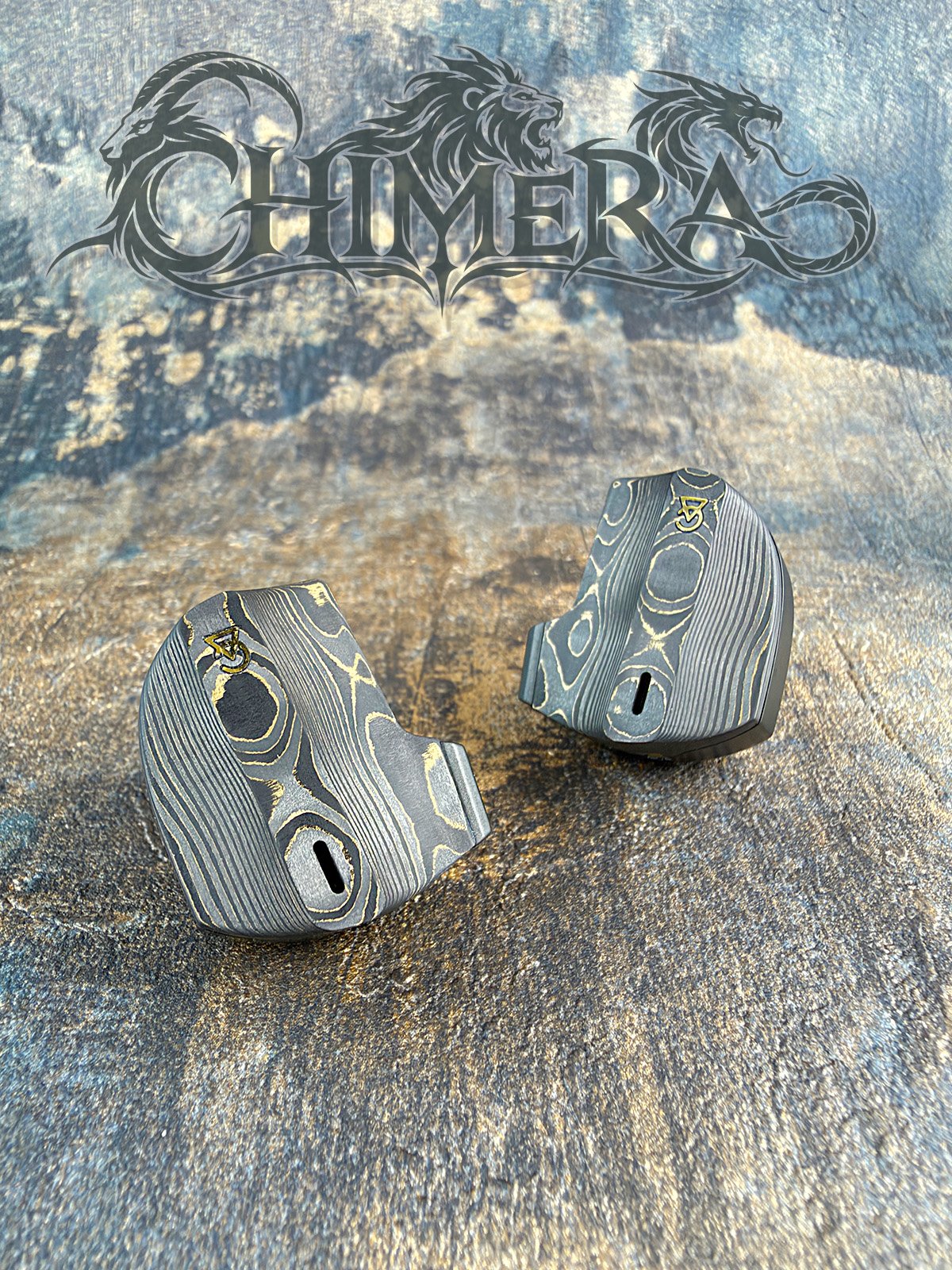
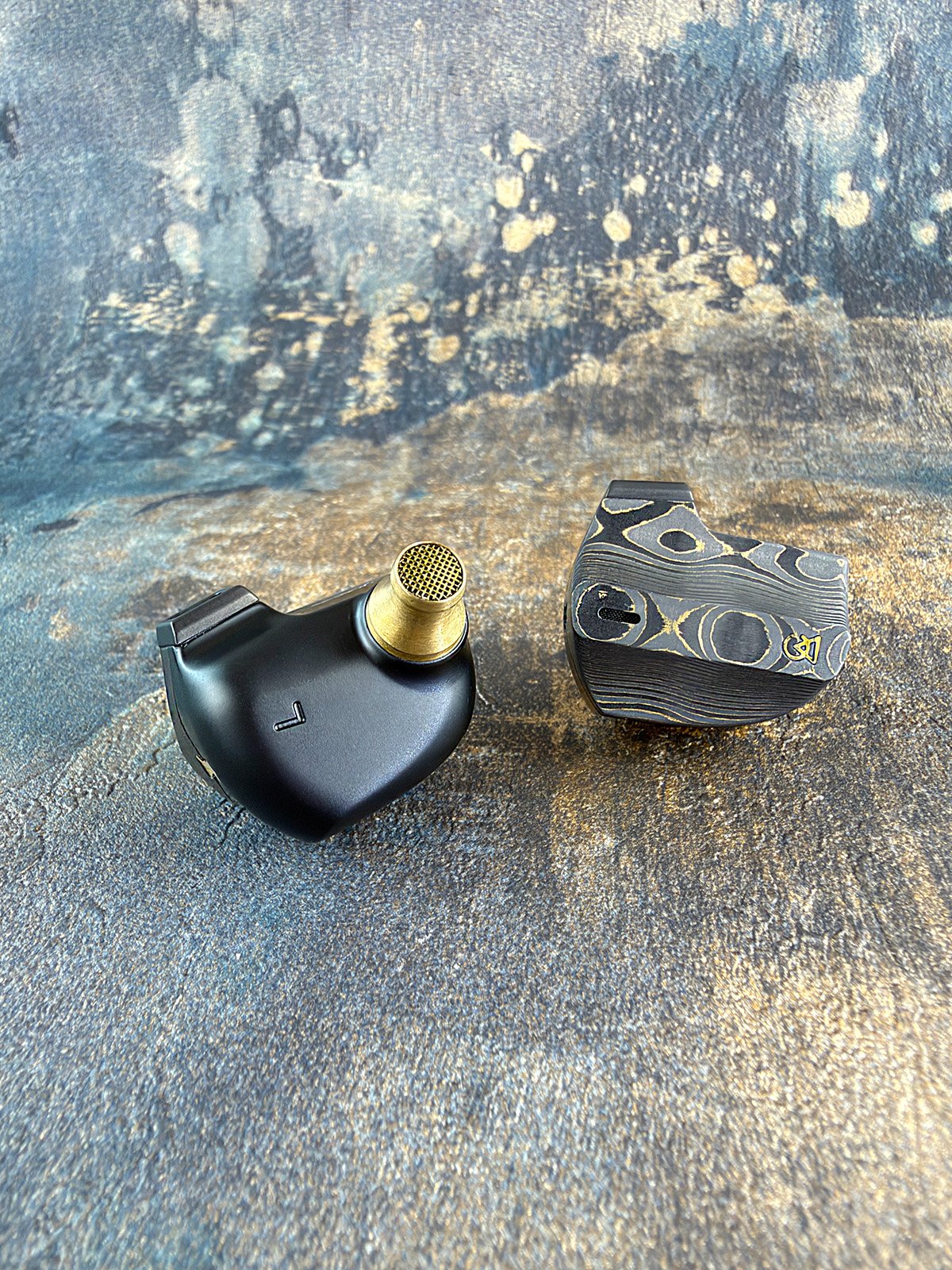
Design & Build Quality
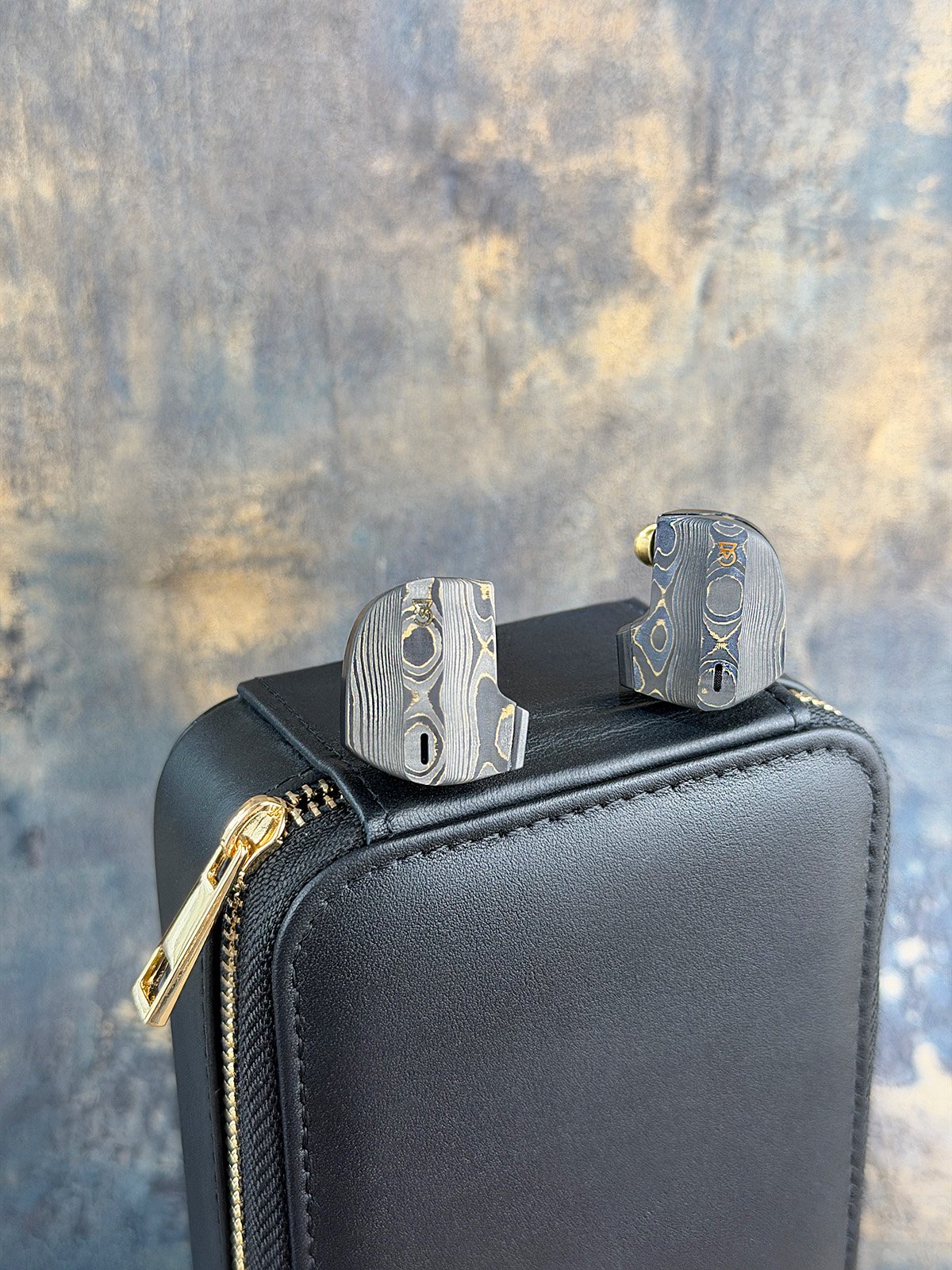
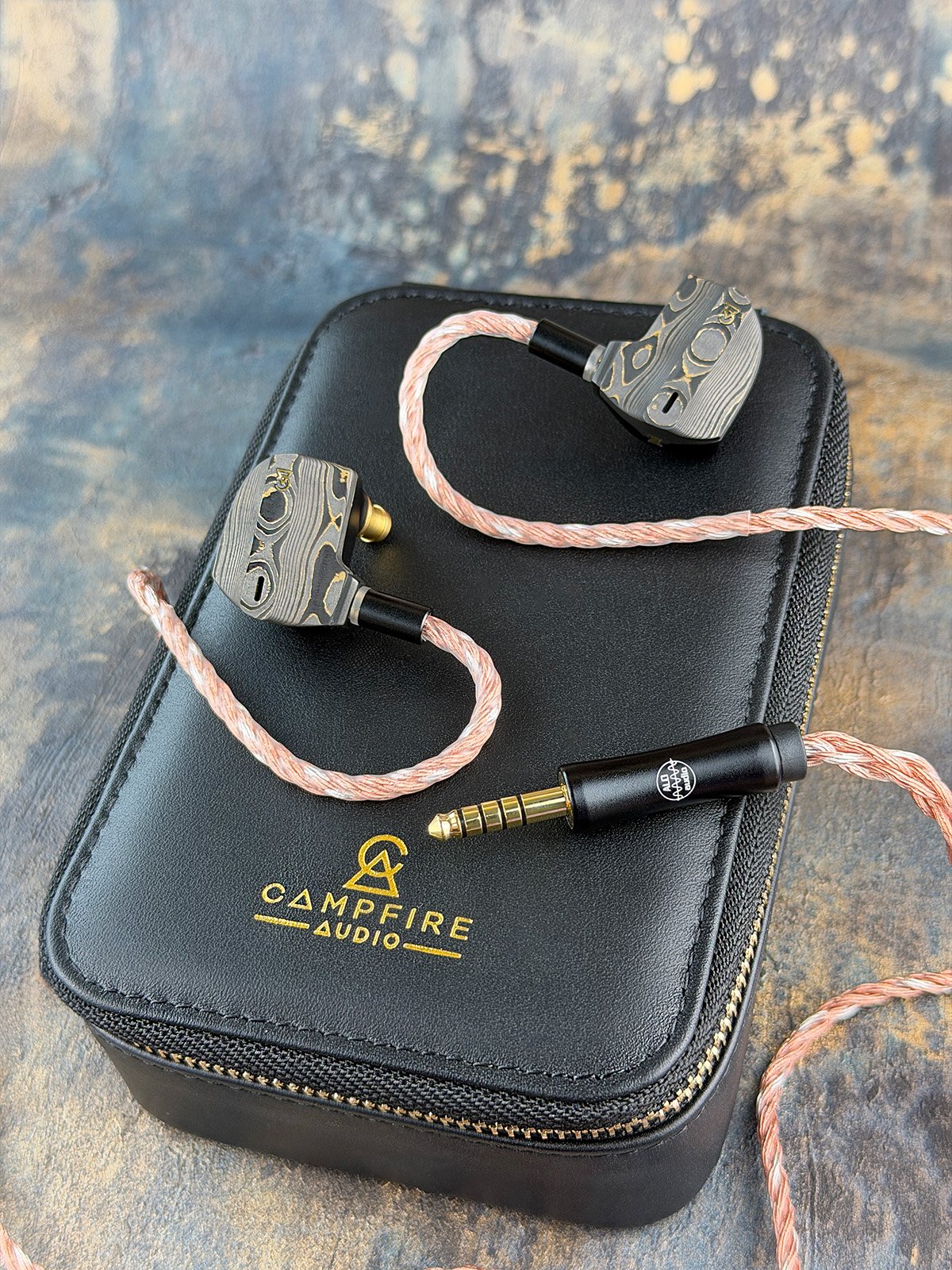
The Chimera uses CNC-machined magnesium shells with a PVD (Physical Vapour Deposition) coating. This durable layer helps protect the surface against wear and also gives the surface its beautiful smooth finish.
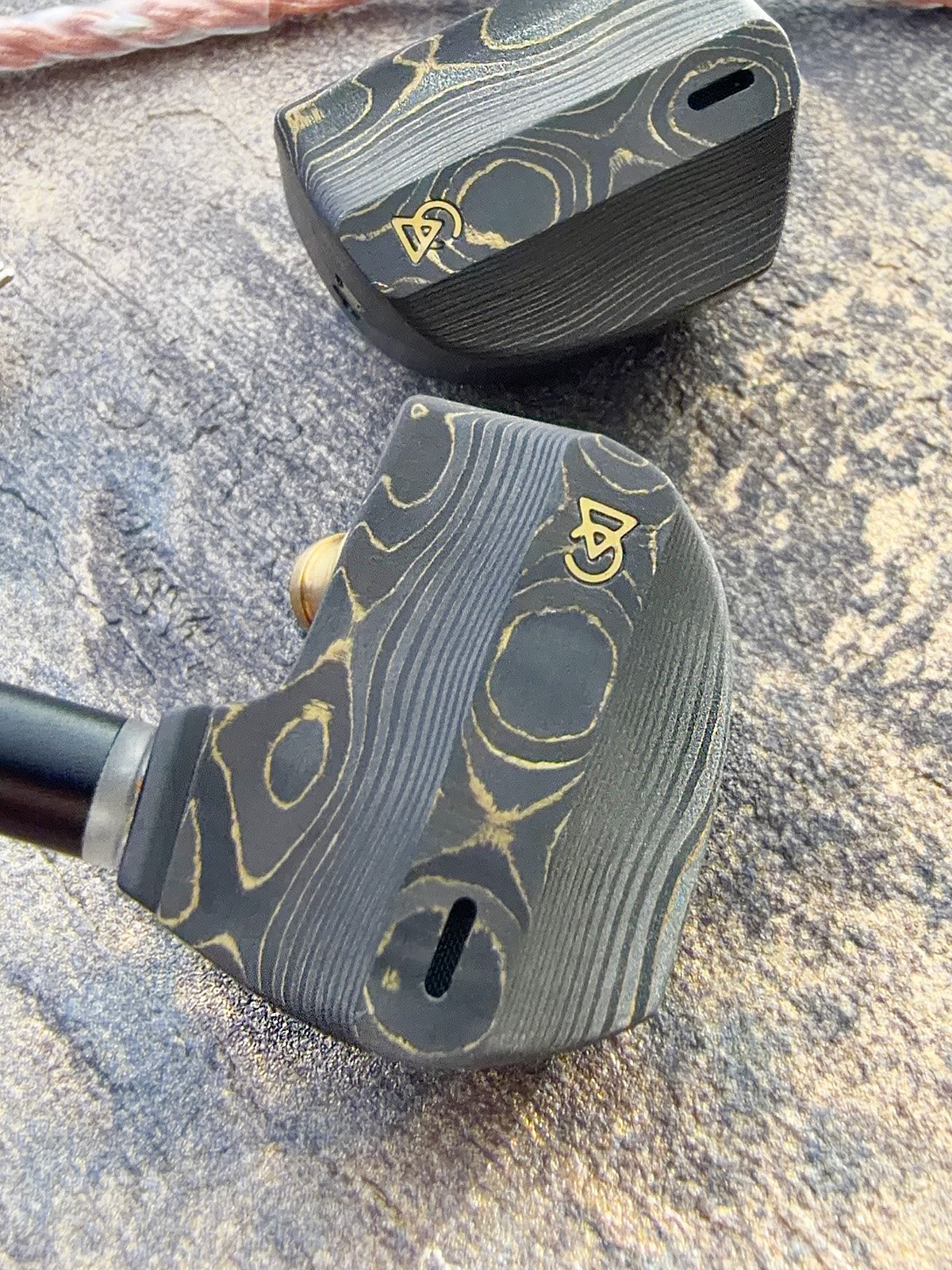
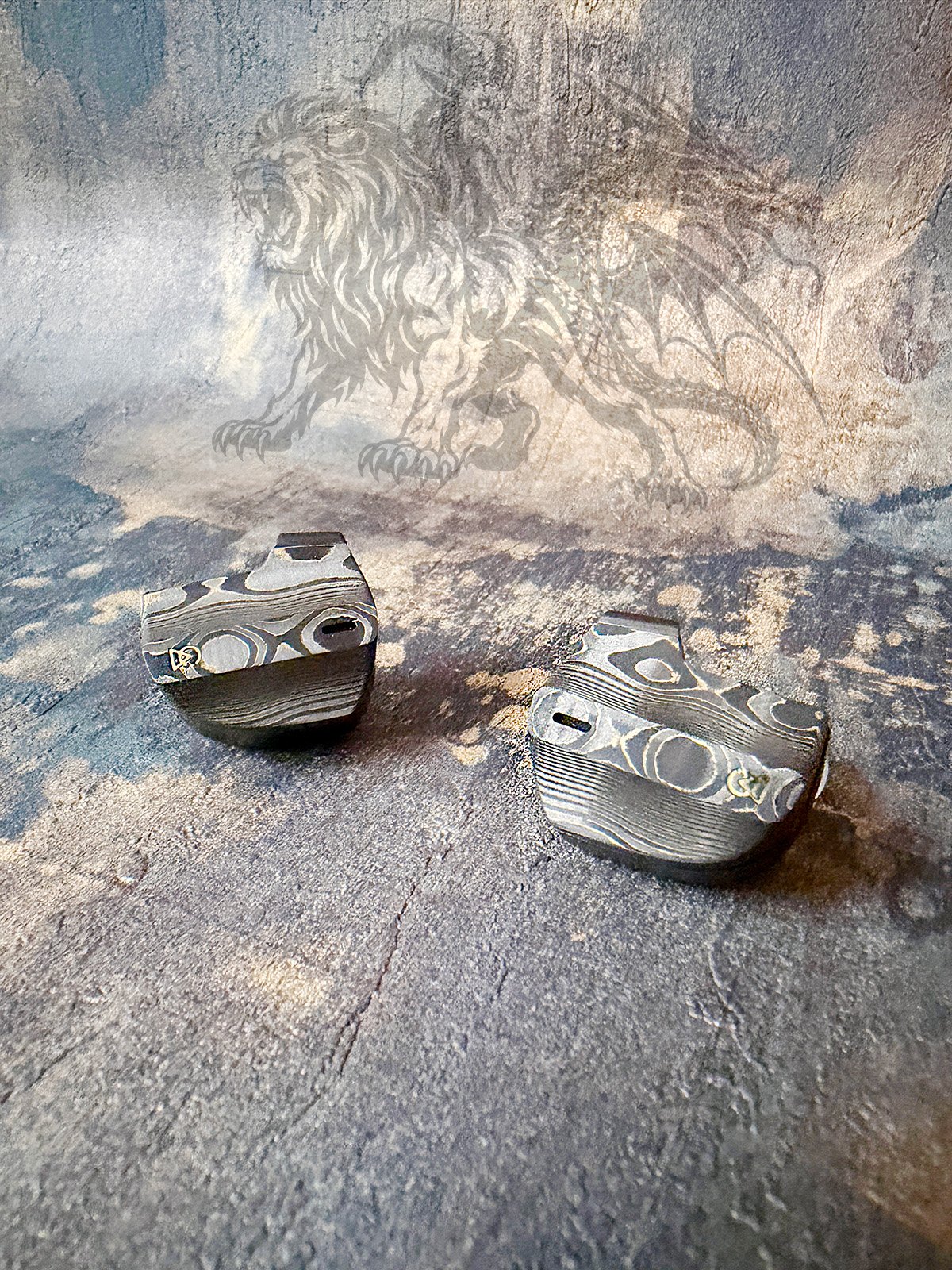
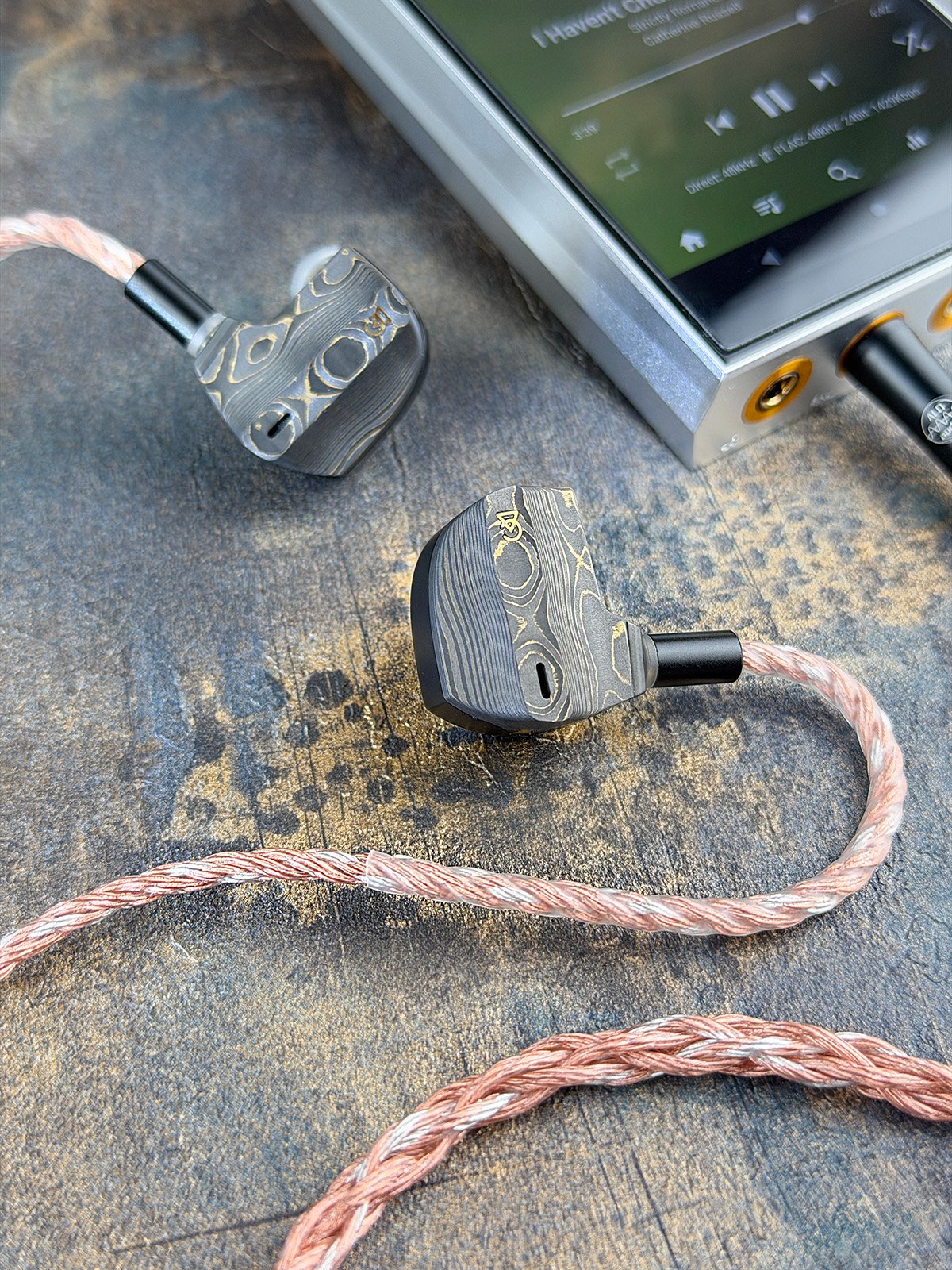
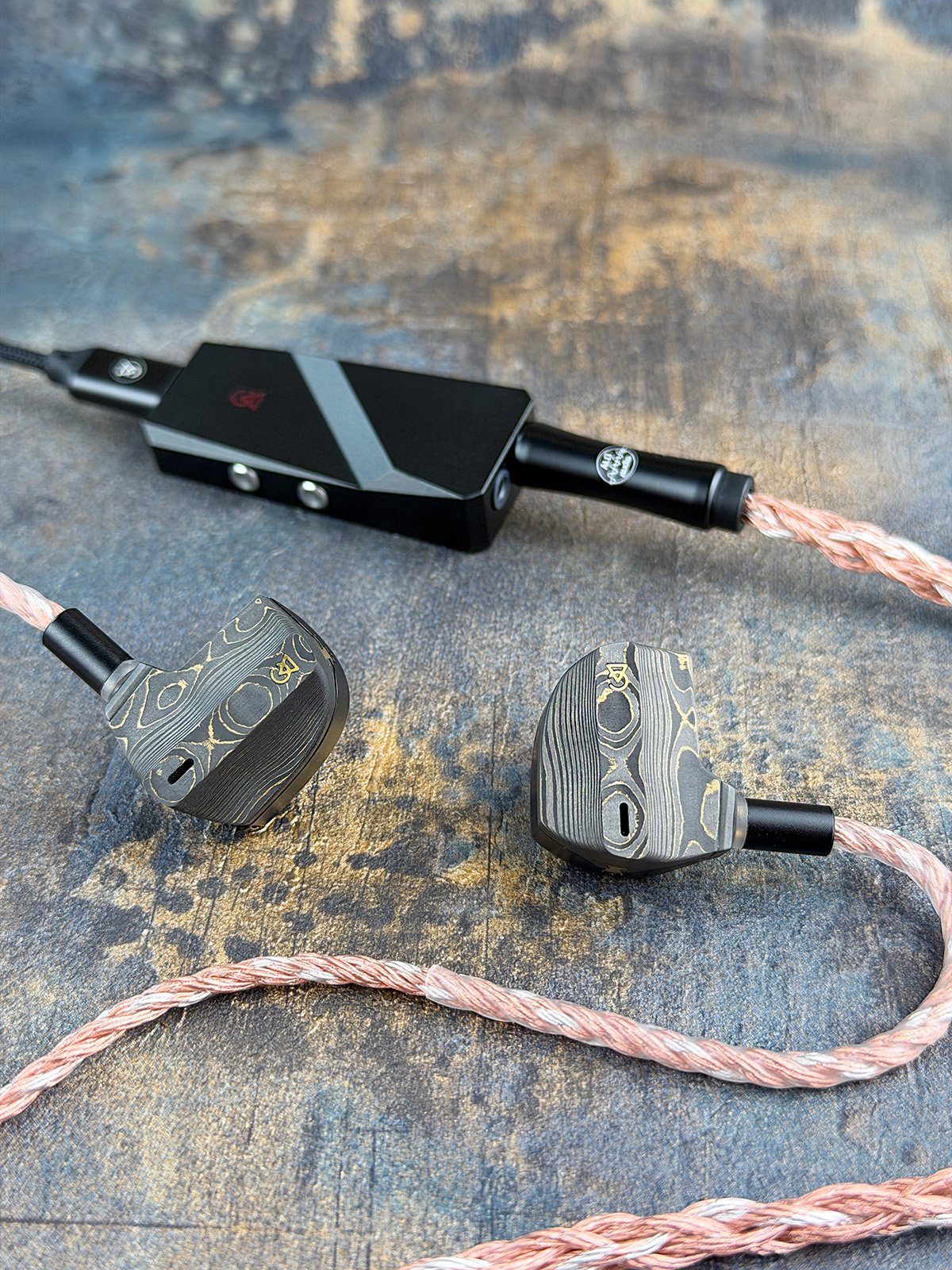
The faceplates feature an intricate combination of carbon fibre and brass, precision-machined to create a Damascus-inspired pattern. Fine grey lines and irregular brass rings run across the dark surface, resembling the grain of wood. The pattern is unique to each pair, so no two look exactly alike.
The nozzles are crafted from machined brass, which complements the materials used throughout the design. The recessed 0.78 mm two-pin connectors are housed within raised sections of the magnesium shells, providing additional stability and protection for the cable connections.
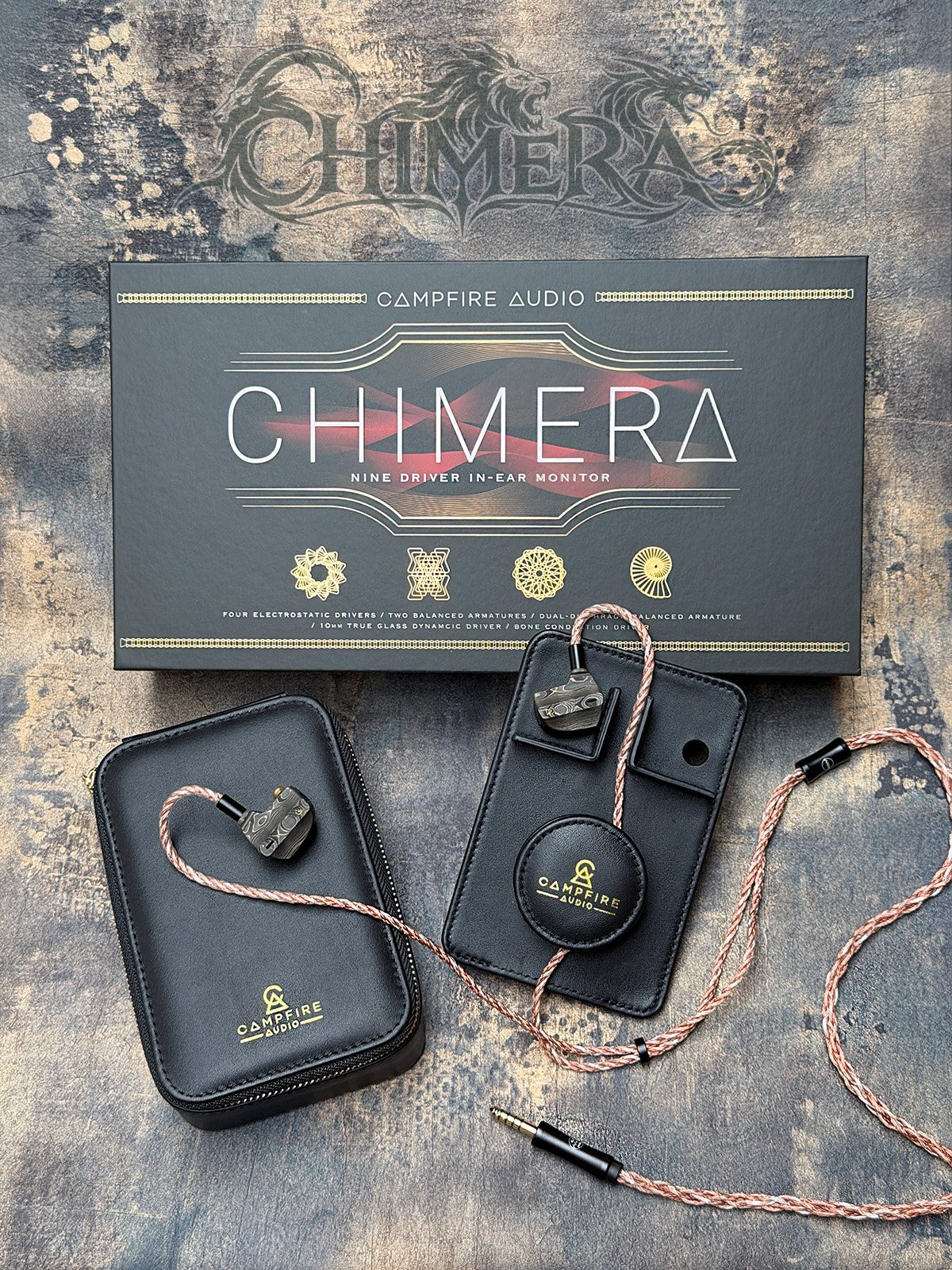
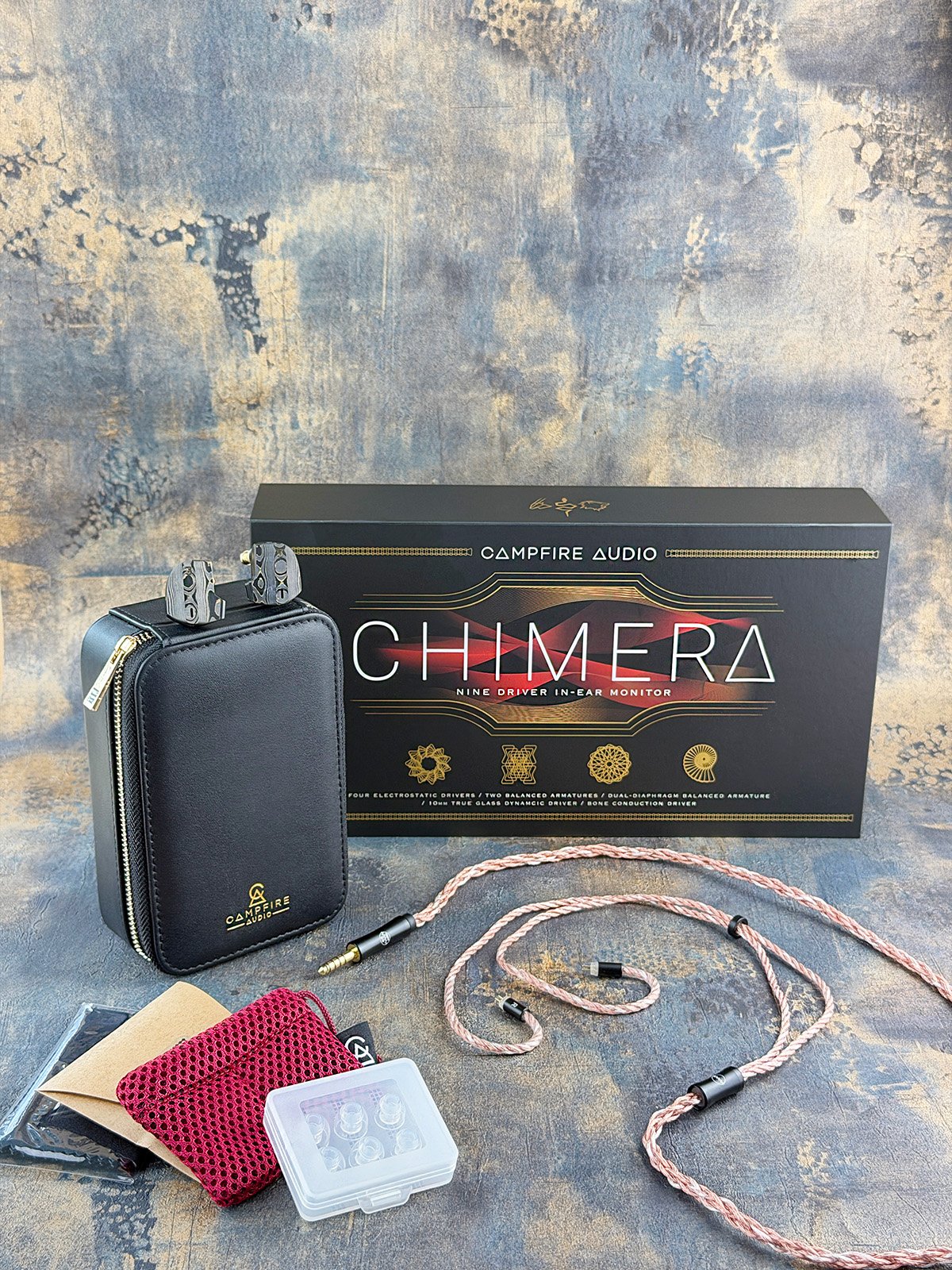
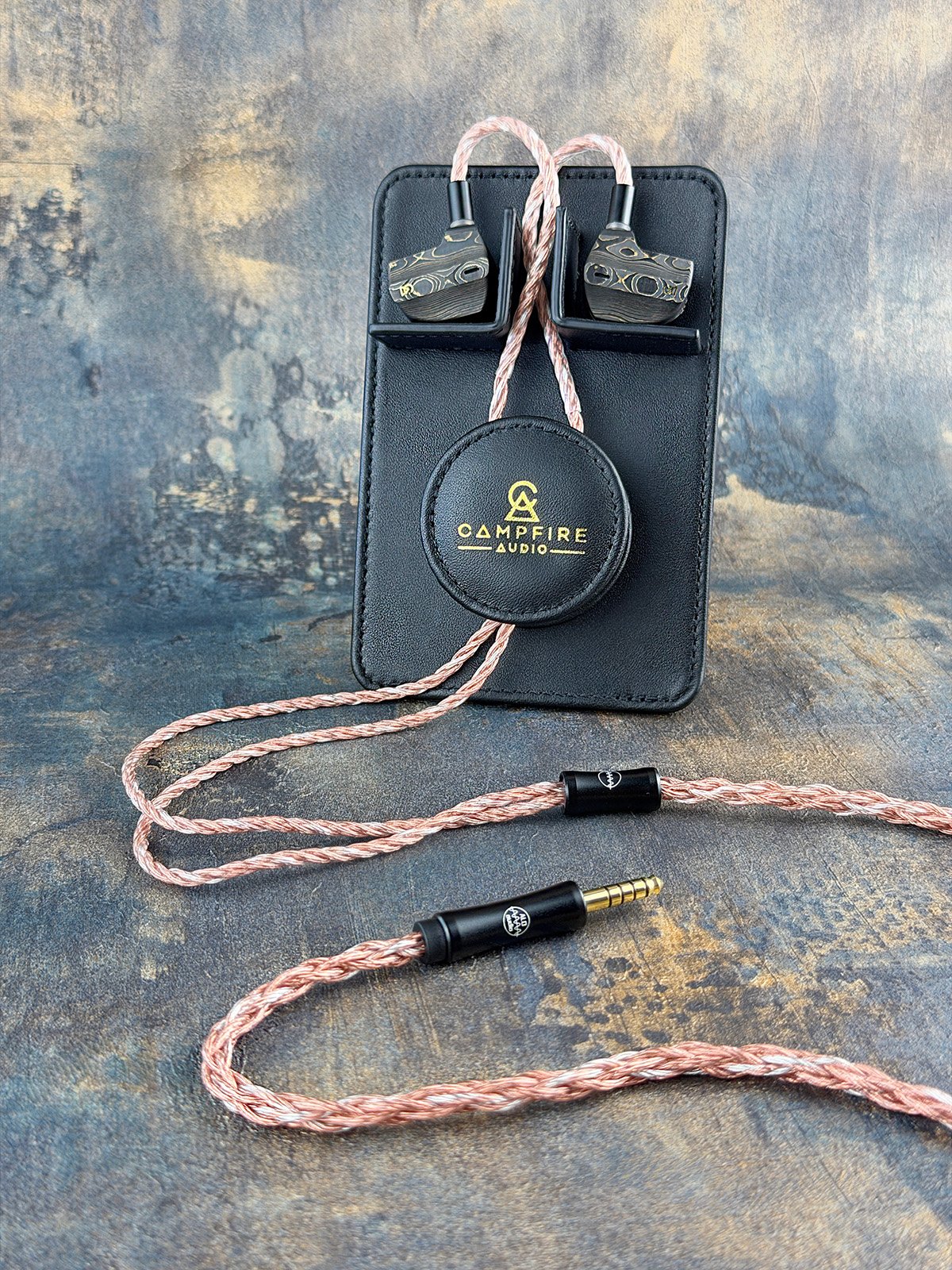
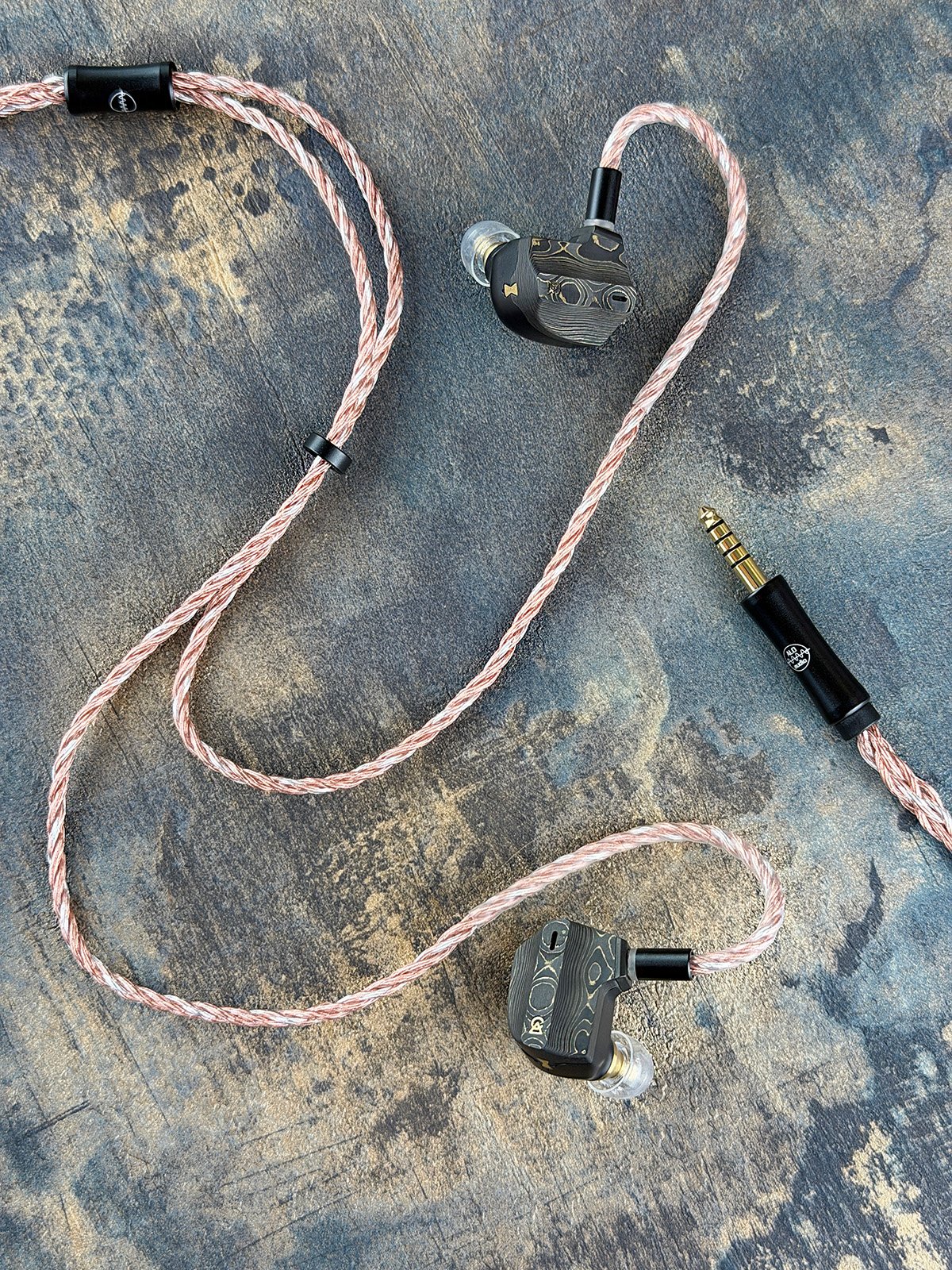
The Chimera comes with the all-new ALO Audio Valence-6 cable, which uses six high-purity conductors: four made from pure copper and two combining copper and silver-plated copper (SPC). The cable is well made and pairs beautifully with the Chimera, making it a fitting choice for an IEM of this calibre. An upgrade feels unnecessary. The cable is terminated with a 4.4 mm balanced plug. While not a dealbreaker, a modular termination with a 3.5 mm single-ended option would have been a welcome addition.
Comfort
The Chimera’s magnesium shells are surprisingly lightweight for their size. The shells have smooth inner contours that sit comfortably against the ear. Their larger-than-average size takes a little getting used to, but we experienced no discomfort during our long listening sessions. Those with very small ears may find the shells a little less accommodating, so trying them on before buying is worthwhile.
What is in the box
The Chimera comes with a finely crafted black leather case with precise stitching and a gold-coloured zip. Inside we find a removable leather-covered insert that holds each earpiece on a separate support. The cable winds around a circular holder below. This insert also serves as a great display stand. It can be lifted out of the case and placed upright, keeping the earpieces on display and the cable neatly stored.
Campfire Audio includes three types of eartips: High & Clear, standard silicone and foam, each available in three sizes. We preferred the High & Clear tips for their comfort and secure grip, as well as the firm bass and smooth treble they gave the Chimera. Their secure fit and consistent comfort during extended listening sessions made them our preferred choice throughout the review.
The High & Clear tips are currently only available in the Flight eartip pack, but not on their own. Given their comfort and the musicality they bring to the sound, we suspect other IEM owners would also welcome the option to buy them separately.
Technical specifications
-
Driver configuration: 9-driver Quad-Brid
-
Dynamic driver: 1 × 10 mm True Glass DD
-
Bone conduction: 1 × 10 mm BC driver
-
Balanced armatures: 1 × Dual-Diaphragm BA + 2 × High-Frequency BA
-
Electrostatic drivers: 4 × EST supertweeters
-
Frequency response: 5 Hz – 20 kHz
-
Impedance: 5.5 Ω @ 1 kHz
-
Sensitivity: 94 dB SPL @ 1 kHz / 14.6 mVrms
-
THD: Less than 0.5%
-
Shell: CNC-machined PVD magnesium
-
Faceplates: Carbon fibre and brass Damascus
-
Nozzles: Machined brass
-
Connectors: Recessed 0.78 mm 2-pin
-
Cable: ALO Audio Valence-6
-
Termination: 4.4 mm balanced
-
MSRP: $7,500 USD
Test equipment:
- iBasso DX270
- Campfire Audio relay dac
- JDS Labs Element IV
- Chord mojo2
- Burson Audio Soloist Prime MAX (With the new Burson discrete class A IEM stage)
- Burson Audio Conductor Voyager MAX (Preamp DAC for Soloist Prime)
Inside the Chimera
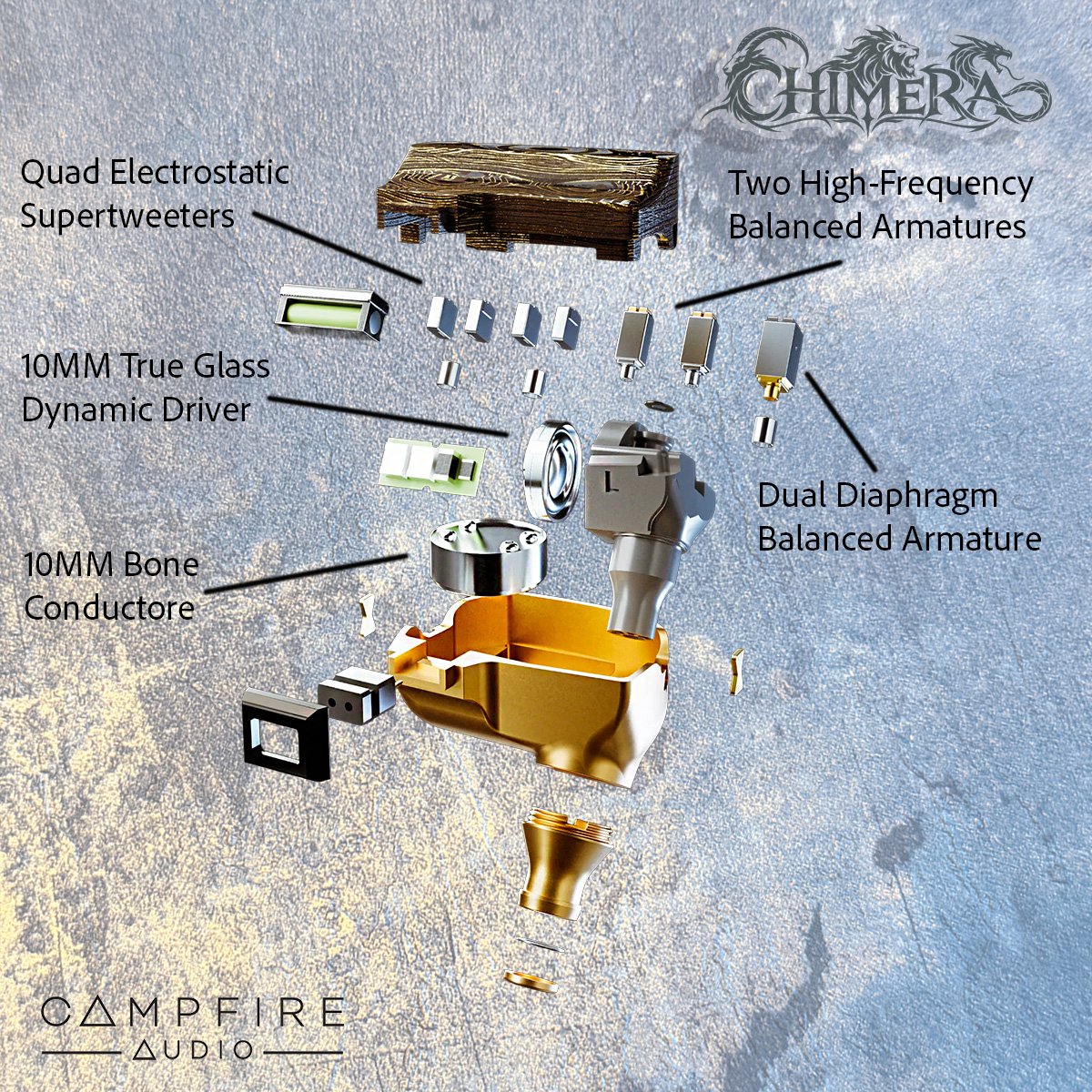
Each Chimera earpiece houses nine drivers spanning four different technologies. Making them work together involves more than finding room inside the shell: the acoustic passages, pressure control and crossover circuitry all help shape their combined response. The three exploded-view illustrations below reveal this internal layout and the components.
10 mm bone conductor
The Chimera’s 10 mm bone conduction driver adds a physical sensation to the bass. It sits in a specially designed pocket within the magnesium shell, allowing its vibrations to pass through the housing. The shell material is therefore part of the acoustic design as well.
10 mm True Glass driver
A 10 mm True Glass dynamic driver handles the bass and lower midrange. It was developed in collaboration with Glass Acoustic Innovations (GAIT), a Taiwanese company specialising in ultra-thin glass diaphragms. The driver uses a specially processed alkali-glass diaphragm. The glass is chemically strengthened to provide the rigidity, durability and damping required for audio reproduction.
Dual diaphragm balanced armature
The midrange driver uses two diaphragms connected to a single balanced armature. The diaphragms operate together within one driver assembly, covering the frequencies responsible for much of the character of voices and instruments.
Two high-frequency balanced armature
Two balanced armatures handle the high frequencies, working alongside the electrostatic supertweeters. They reproduce the attack and finer texture of instruments, including the strike of a cymbal and the detail in percussion.
Quad electrostatic supertweeters
Four electrostatic supertweeters extend the upper treble. They reproduce fine details such as cymbal decay, subtle reverberation and echoes fading into the background. These details contribute to the sense of space and ambience.
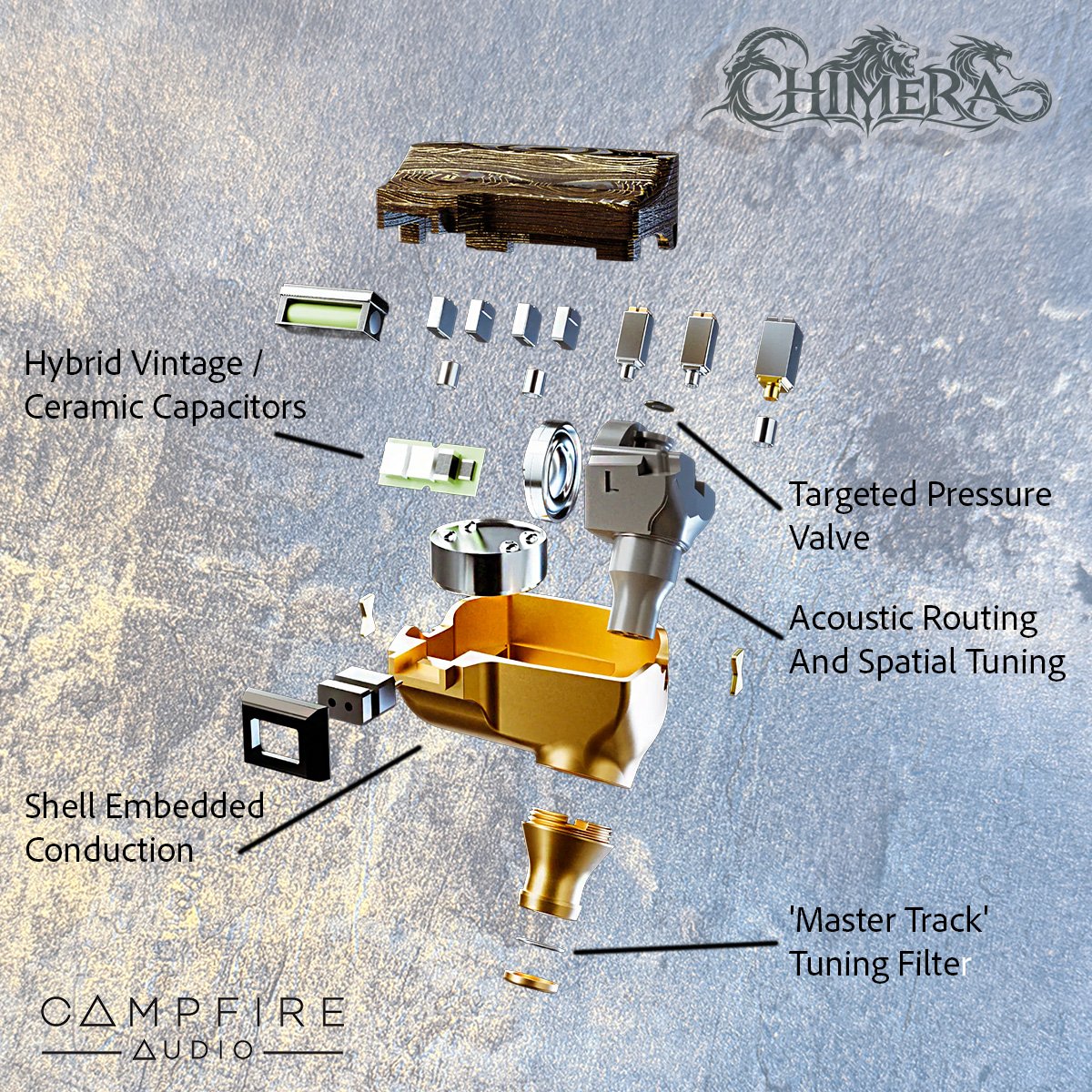
Shell-embedded conduction
The custom pocket increases contact between the bone conduction driver and the housing, helping transmit vibrations into the magnesium shell.
Targeted pressure valve
A pressure valve behind the True Glass driver helps balance air pressure on either side of the diaphragm. This allows the diaphragm to move more evenly during playback.
Acoustic routing and spatial tuning
The internal sound passages were revised repeatedly to adjust the response of the individual drivers and how their outputs combine.
Hybrid Vintage/Ceramic Capacitor
Campfire Audio specifies a vintage ceramic-film capacitor selected for its role in integrating the different driver groups within the crossover.
‘Master track’ tuning filter
The Master Track filter sits inside the nozzle and provides a final acoustic adjustment before sound leaves the Chimera.
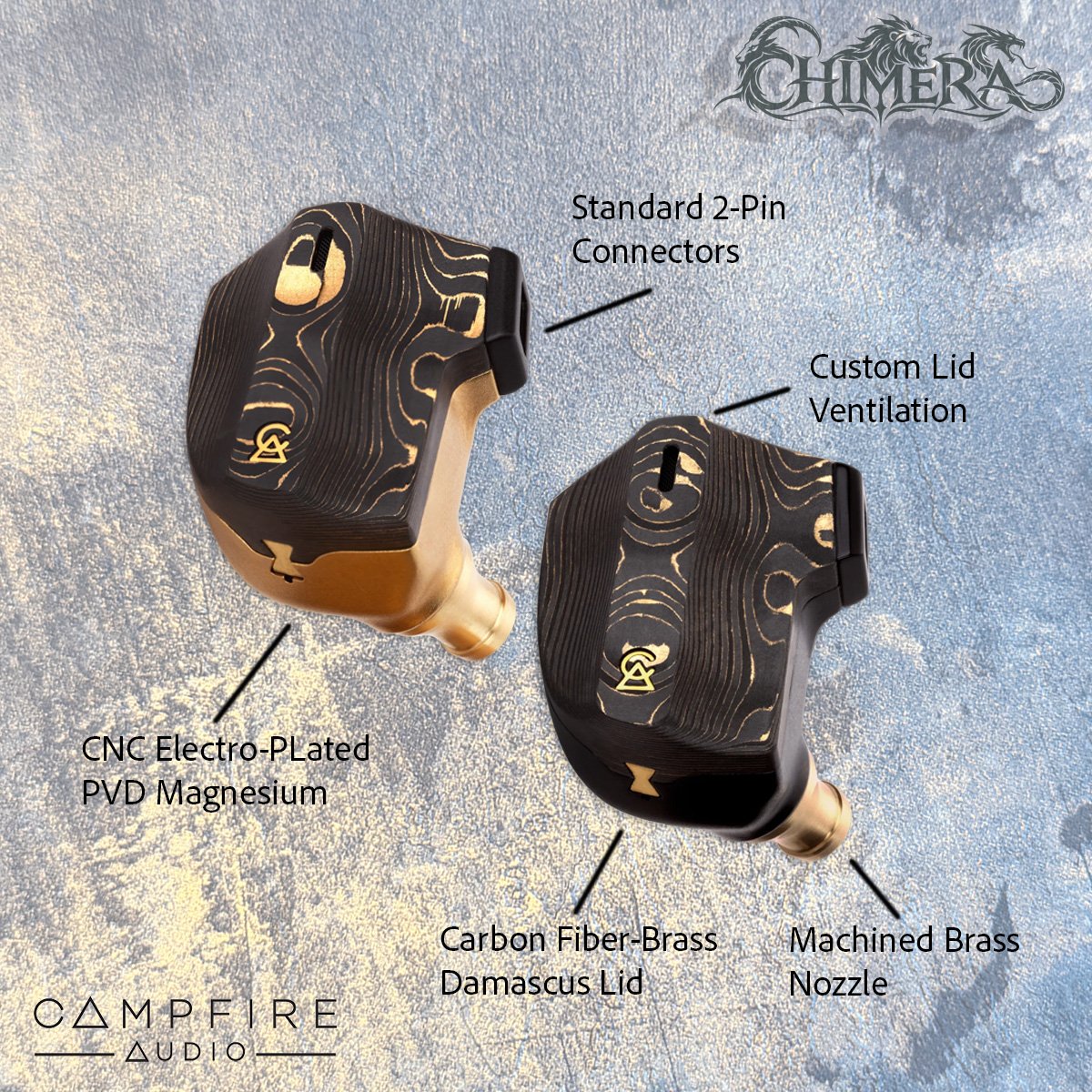
CNC electro-plated PVD magnesium
The magnesium housing is CNC-machined and finished with a PVD coating. Its low weight and ability to transmit the bone conductor’s vibrations make it both a structural and an acoustic component.
Carbon fiber-brass Damascus Lid
The faceplates combine layers of carbon fibre and brass. CNC machining reveals the flowing patterns within the material, with the brass catching the light against the darker carbon fibre. Each faceplate has its own pattern, making every pair unique.
Custom Lid Ventilation
Vents in the housing allow air pressure to equalise, helping reduce pressure build-up during use.
Machined Brass Nozzle
The machined brass nozzles provide a durable mounting point for the ear tips.
Standard two-pin connectors
The Chimera uses standard 0.78 mm two-pin connectors. The sockets are recessed into the shells to support the connection and provide a more secure fit.
Frequency Response and Tuning
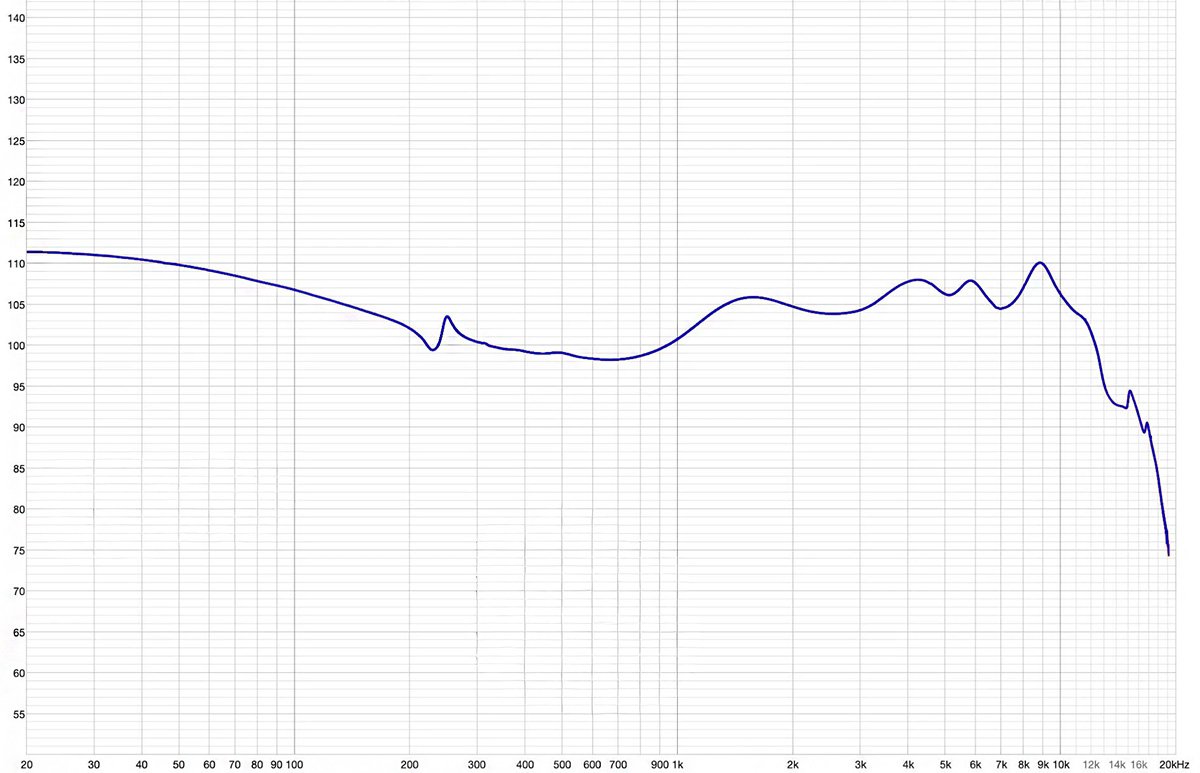
The Chimera follows a broadly W-shaped tuning with a noticeable bass elevation. The lower midrange is relatively recessed, followed by a rise through the upper mids and several peaks in the treble.
The curve shows the greatest bass emphasis in the sub-bass, gradually easing through the mid-bass towards the lower midrange. This matched our listening impressions: the deepest notes had weight and physical presence, while the mid-bass was less prominent. The bass remained tight and well balanced with the rest of the music, delivering plenty of impact when called for but never becoming overpowering.
The lower midrange sits below the bass and upper mids on the graph, but voices sounded warm, smooth and full during our listening sessions. They remained clearly defined, even during soft passages.
The response begins to rise around 800 Hz, reaching a broad peak near 1.7 kHz before dipping slightly around 2.5 – 3 kHz. The curve then rises again towards 4 – 6 kHz, with another peak near 9 kHz. During our listening sessions, the treble sounded clear and finely detailed without becoming harsh or excessively bright.
Sound Quality
The Chimera creates an extraordinary sense of space, with convincing depth and scale. Vocals have a natural fullness and presence. Depending on the recording, there is a clear sense of distance between the singer and the musicians further back on the stage.
The bone conduction driver contributes to a physical bass response that recalls listening to a high-end hi-fi system. Low notes are felt as well as heard, but bass does not sound overpowered. The sensation feels like a natural part of the music rather than a separate effect.
The Chimera’s nine drivers are well integrated, with a cohesive presentation in which everything sounds naturally connected as a whole. The transition from bass to treble sounds seamless. The low end carries weight, voices have warmth and expression and the upper frequencies supply detail without sounding detached from the rest.
Treble
The Chimera’s treble is open and detailled without feeling forced. Cymbals hit with a crisp snap and fade out naturally, holding onto their metallic shimmer. Even when percussion gets busy, individual instruments like the ring of a triangle, stays easy to pick out. You also get a great sense of the room, as subtle echoes trail off smoothly behind the music. Best of all, it keeps the energy of brighter tracks alive without ever getting sharp or fatiguing.
Midrange
Vocals sound natural and expressive, sitting right where they should in the mix. You can easily hear the subtle details: like the breath between phrases, the way a word is shaped, or slight shifts in tone during a long note. Quiet, gentle singing keeps its softness, while powerful voices and instruments still hit with real weight when the track calls for it.
Male vocals come across with nice body and warmth, while female voices sound clear and delicate. Instruments feel remarkably realistic thanks to how well their textures are handled: strings sound rich and piano notes capture both the initial hammer strike and the lingering resonance.
Separation is another strong point. Even in busy, layered tracks, quieter instruments remain easy to follow behind the lead singer without the music ever feeling pulled apart. It’s impressive how much detail comes through while keeping the midrange this smooth.
Bass
Bass pairs real depth with great definition and texture. Working together, the 10 mm True Glass dynamic driver and dedicated bone conduction driver deliver a low end that has audible weight and a physical, tactile feel. More crucial, the bone conductor never takes over, bass stays tight and cohesive.
Sub-bass reaches deep, giving bass lines, orchestral swells and low percussion a real sense of scale. You feel that rumble and pressure when the track calls for it, but lighter acoustic passages never sound bloated or overly bass-heavy. Moving up, the mid-bass is quick, punchy, and well-controlled. Kick drums land with solid impact. Bass guitars and double basses sound full and textured, clearly separating the initial pluck of the string from the resonance that follows.
What really stands out, though, is the sheer amount of detail. Even the deepest notes retain clear pitch and tonal texture alongside their physical weight.
Soundstage & Imaging
Soundstage and imaging are easily among the best we’ve heard in an IEM. The stage stretches well beyond the usual in-ear boundaries, giving you a real sense of width, depth and height.
Instruments lock into clearly defined spots across the stage. A lead singer sits right out front while the rest of the band layers cleanly behind them. That tight placement holds steady even during busy jazz tracks or full orchestral swells. Subtle echoes and lingering notes give you a clear feel for the recording space, whether that’s the tight acoustics of a small jazz club or the wide reverb of a concert hall.
What makes it truly special is how easily the Chimera adapts to the music. A small acoustic set feels close and personal, while a full orchestra gets all the room it needs to breathe and unfold naturally. It pulls off both with pinpoint precision and a striking sense of realism.
Listening Impressions

Patricia Barber – Company
The drums sound deep and powerful through the Chimera. Each strike has a firm impact, followed by the resonance of the drum skin. The percussion is crisp, with a clear metallic tone to the cymbals that stays smooth even on stronger accents.
Barber’s voice sits prominently within the arrangement. Her low register sounds full and warm with an audible grain to her delivery. The trumpet has a rich, brassy tone and considerable force. Higher notes retain their bite without turning shrill. The double bass has a defined pluck and a full resonance. The vibration of the bass strings is distinct from the shorter drum strikes even when both instruments play in the lower registers.
The closing drum solo sounds remarkably lifelike. Each drum has its own pitch, depth and decay with clear differences between the tighter hits and deeper, more resonant strikes. The physical impact gives a convincing impression of the size of the drums, right down to the deeper vibration of the skins after each hit.
Enya – So I Could Find My Way
Enya’s voice sounds beautifully smooth through the Chimera. She sits right in the centre, clearly separated from the background. You can hear the small shifts in her tone as she holds a note. As each phrase fades, the softer voices linger for a moment. There’s a surprising amount of treble detail, but the higher frequencies never sound too prominent or aggressive.
The bass reaches deep and stays tight. You can feel the low notes beneath Enya’s voice. Their weight is just right for this track, adding a physical presence without intruding on her singing.
Alexis Cole – Ain’t We Got Fun
On Alexis Cole’s Ain’t We Got Fun, the room’s reverberation is a prominent part of the recording. Notes linger behind the instruments, revealing the depth of the space around them. Cole’s voice occupies a precise position within that space. The accompanying instruments are spread around her, their placement still apparent through the reverberation.
The bass has a firm, physical presence. You feel the weight of the notes, yet they remain tight and proportionate to the rest of the track. The quieter ambience is audible around the bass as well as her voice.
Wynton Marsalis & Rubén Blades – Ban Ban Quere
The Chimera brings out the energy and atmosphere of this live performance. The ensemble fills the stage, with audible space between the musicians. Even in the bussy passages, each instrument retains its own tone and position.
Rubén Blades’ voice sounds full and projects clearly above the instruments. The piano has body and a crisp attack. The bass adds a tight, textured pulse to the rhythm. Its physical weight suits the energy of the ensemble without dominating it.
Marsalis’ trumpet has a deep, brassy tone and sharply defined attacks. The higher phrases are brilliant and forceful, but never shrill. There is warmth to the sound even when he plays with greater intensity.
Chris Minh Doky – All Is Peace (Scenes from a Dream)
The double bass has depth and texture through the Chimera. Individual notes carry weight, with a resonant decay. Changes in tone from one note to the next give the bass line an expressive, layered quality.
The cymbals sound tight and have a real sparkle, their precise attacks contrasting with the piano’s warm resonant notes. The strings are particularly well-detailed, with differences in tone and texture between the individual lines. They are clearly separated from the piano and double bass.
Herbert von Karajan – Beethoven: I. Adagio molto – Allegro con brio (1977)
The Chimera gives the orchestra an impressive sense of scale. The lower registers sound deep and substantial, with a realistic timbre and the physical weight of a large ensemble.
The strings sound powerful and spacious. There is breadth to the massed strings, but also audible separation between the sections across the stage. As the playing gains intensity, their combined force grows without obscuring those sections.
Stacey Kent – Breakfast on the Morning Tram
Stacey Kent’s voice has a lovely balance of clarity and warmth through the Chimera. Her delivery sounds close and personal, with a rounded tone that gives even the softer phrases substance. Her words are precisely articulated with the familiar softness of her voice.
The guitar is rich in small details, from the initial pluck to the resonance of the strings. Overlapping notes are individually audible.
Eric Alexander – All My Tomorrows
Eric Alexander’s saxophone has a full and rounded tone through the Chimera, with a warm body beneath its brighter, reedy edge. The saxophone sounds smooth while retaining the bite that gives the sax character.
On longer notes, small changes in intensity reveal how the tone develops. Alexander sustains each note before letting it fade naturally. When he puts more force into a phrase, the saxophone sounds brighter and more assertive. Its underlying warmth remains intact. The softer passages remain full and finely resolved.
Ella Fitzgerald & Louis Armstrong – Autumn in New York
The Chimera brings out the old-fashioned romance of this recording. Louis Armstrong’s voice sounds charismatic and warm, with the familiar rasp giving his singing a wonderfully personal character. Ella’s smoother delivery provides a beautiful contrast, her voice soft, clear and rounded.
When they sing together, both voices remain clearly distinguishable. Louis’s gravelly tone and Ella’s gentle phrasing are beautifully reproduced. The Chimera captures the warmth and character of both voices beautifully, bringing a wonderful sense of intimacy to Louis and Ella’s performance.
The realism of the Chimera
After spending time with the Chimera, it is clear that Campfire Audio has created an exceptional IEM. The realism goes beyond recognising the tone of an instrument. There is a sense of its size, its resonance and its position in relation to the musicians around it. Voices and instruments have substance, with a natural sense of space around them.
The bass reinforces that impression. The lowest notes have a physical presence you can feel, adding weight to instruments without overpowering voices or filling the space between them.