The
Burson Audio Conductor Stellar is an excellent Class A amplifier housed in a relatively compact chassis. As we noted in our
full review, its dedicated IEM stage was one of the standout features that genuinely impressed us. Given how well the stock module already performed, we were eager to audition the new Discrete Class A IEM Stage for ourselves.
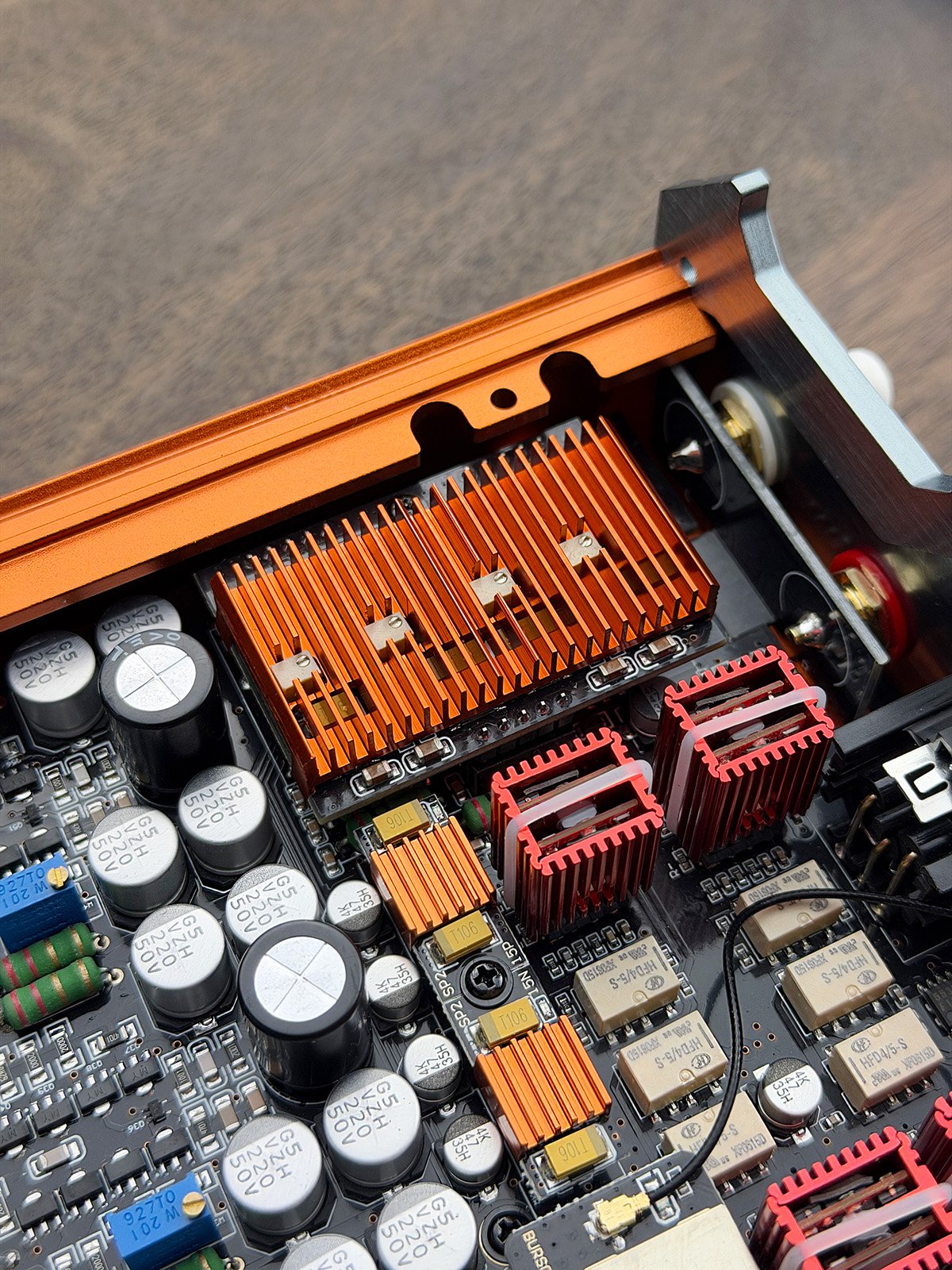
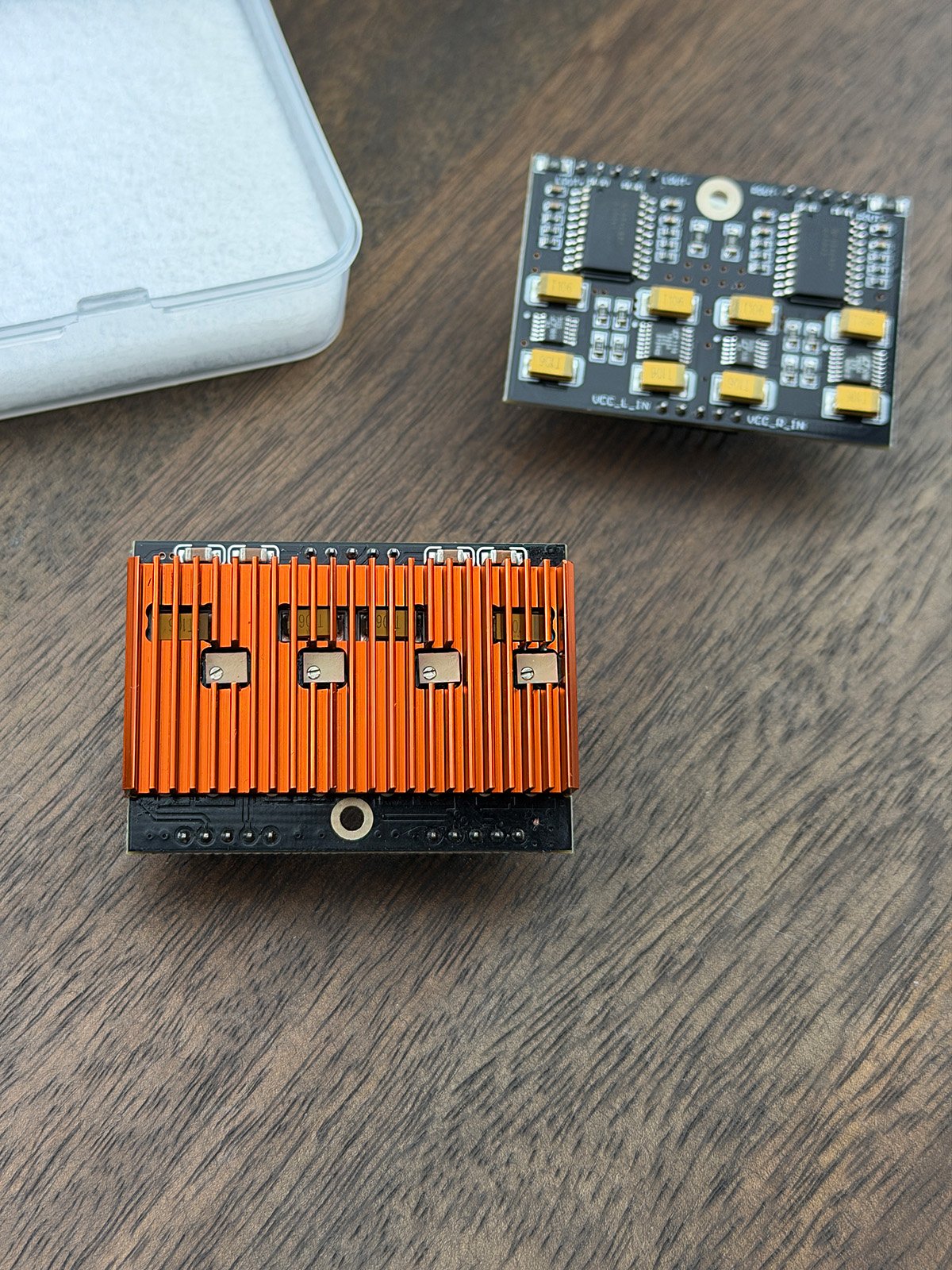
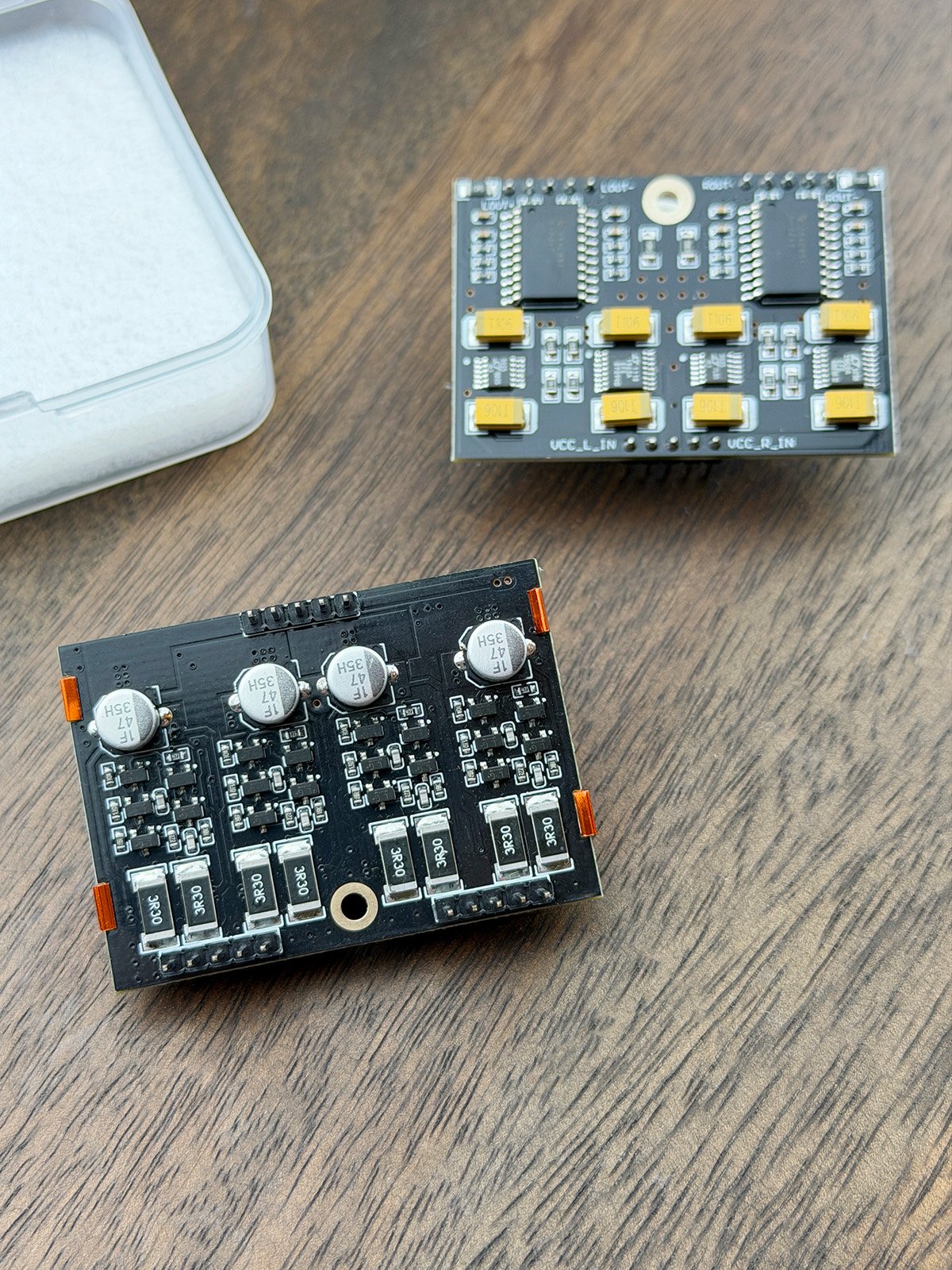
Available for the Conductor Stellar, Soloist Stellar and Soloist Prime, this optional upgrade replaces the stock integrated module with a fully discrete Class A design. We installed the new module in our Conductor Stellar to see how it stacks up against the original.
Sound Quality
One of the first things you notice when listening to Burson’s new Class A module is the jump in resolution. Fine nuances in tone and phrasing are reproduced with greater clarity so that subtle shifts in articulation and expression become much easier to pick up than before.
The bass benefits from a clear improvement in control. Low notes sound tighter and better defined, shifting the focus away from sheer impact toward texture and precision. The midrange also has more warmth and texture. Vocals have greater body and presence, while instruments carry more weight and harmonic richness. The slightly more forward midrange brings voices and instruments closer to the listener.
Beyond these improvements, the new stage sounds more open and dynamic. Instruments are cleanly separated without losing their natural timbre and the overall presentation is smooth and fluid.
Dedicated IEM Stage vs Main Headphone Stage
After comparing the new module against the stock version, we also put it head-to-head with the Stellar’s main Class A headphone output. Even though both now rely on discrete Class A amplification, some sonic differences still remain. The main amplifier offers a wider and deeper soundstage with greater dynamic authority. By contrast, the new IEM stage leans slightly warmer with a more forward midrange and an intimate presentation.
The Discrete Class A IEM Stage is a substantial step up from the stock module. The gains in resolution and bass control are immediately audible and the richer midrange brings welcome body and warmth to vocals and instruments. For anyone who regularly pairs IEMs with the Conductor Stellar, this is an easily recommended upgrade.