The company was founded in the early 2020 by a small group of audio engineers and enthusiasts with a clear focus on in-ear monitors. Rather than spreading across multiple product categories, Kiwi Ears chose to concentrate almost exclusively on IEM design, tuning and value-driven engineering.
Instead of pursuing exaggerated sound signatures, the brand prioritizes control and tonal coherence, which makes its products suitable for both casual listeners and more critical enthusiasts.
Kiwi Ears focused on delivering well-tuned and technically capable earphones at accessible prices. The Orchestra series, in particular, helped establish the brand’s reputation for careful but advanced crossover designs and driver integration.
In this review, we will take a closer look at Kiwi Ears’ latest release: The Orchestra II. It features a ten-driver full BA driver design with an advanced crossover.

Design & Build Quality
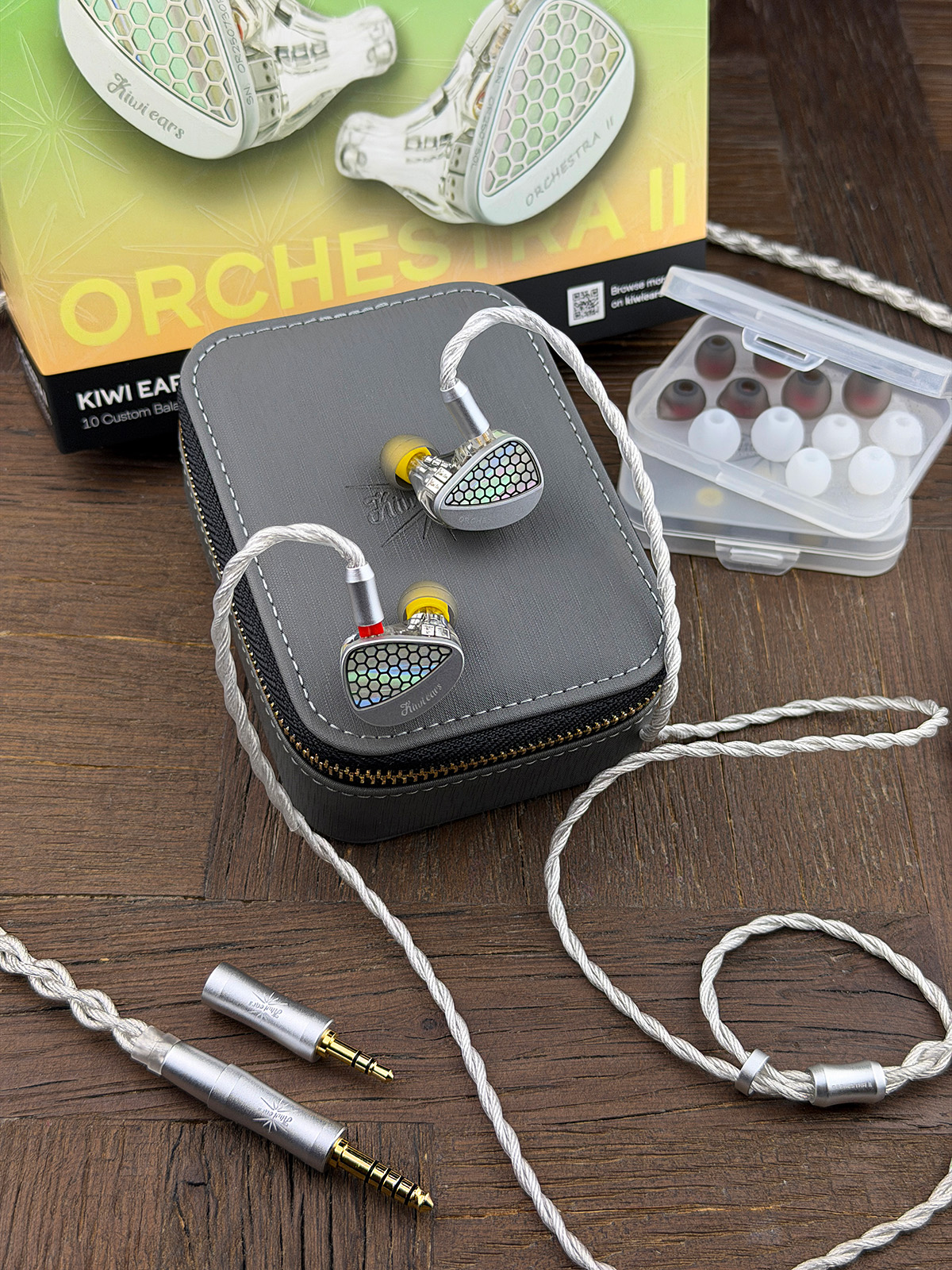
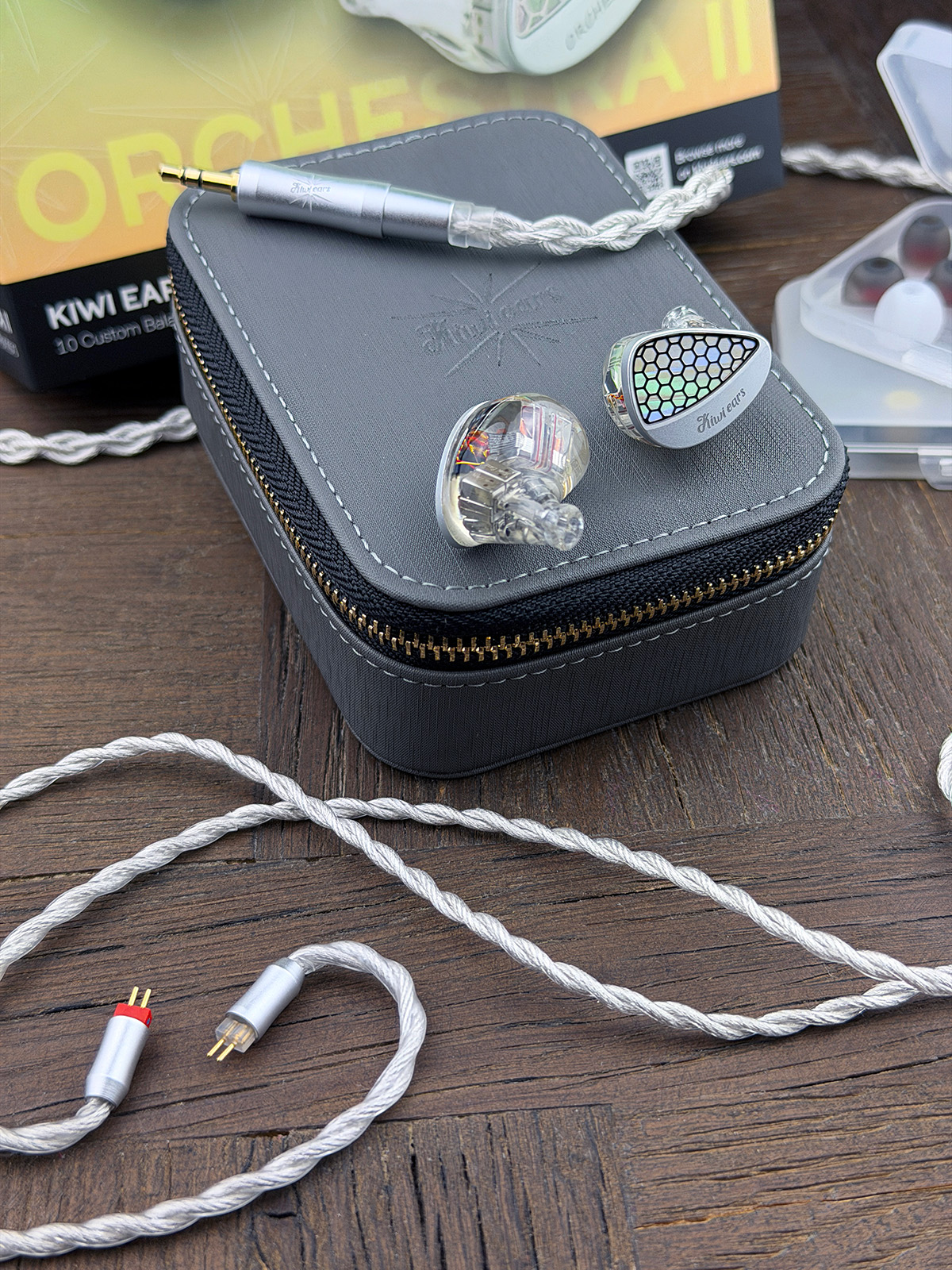
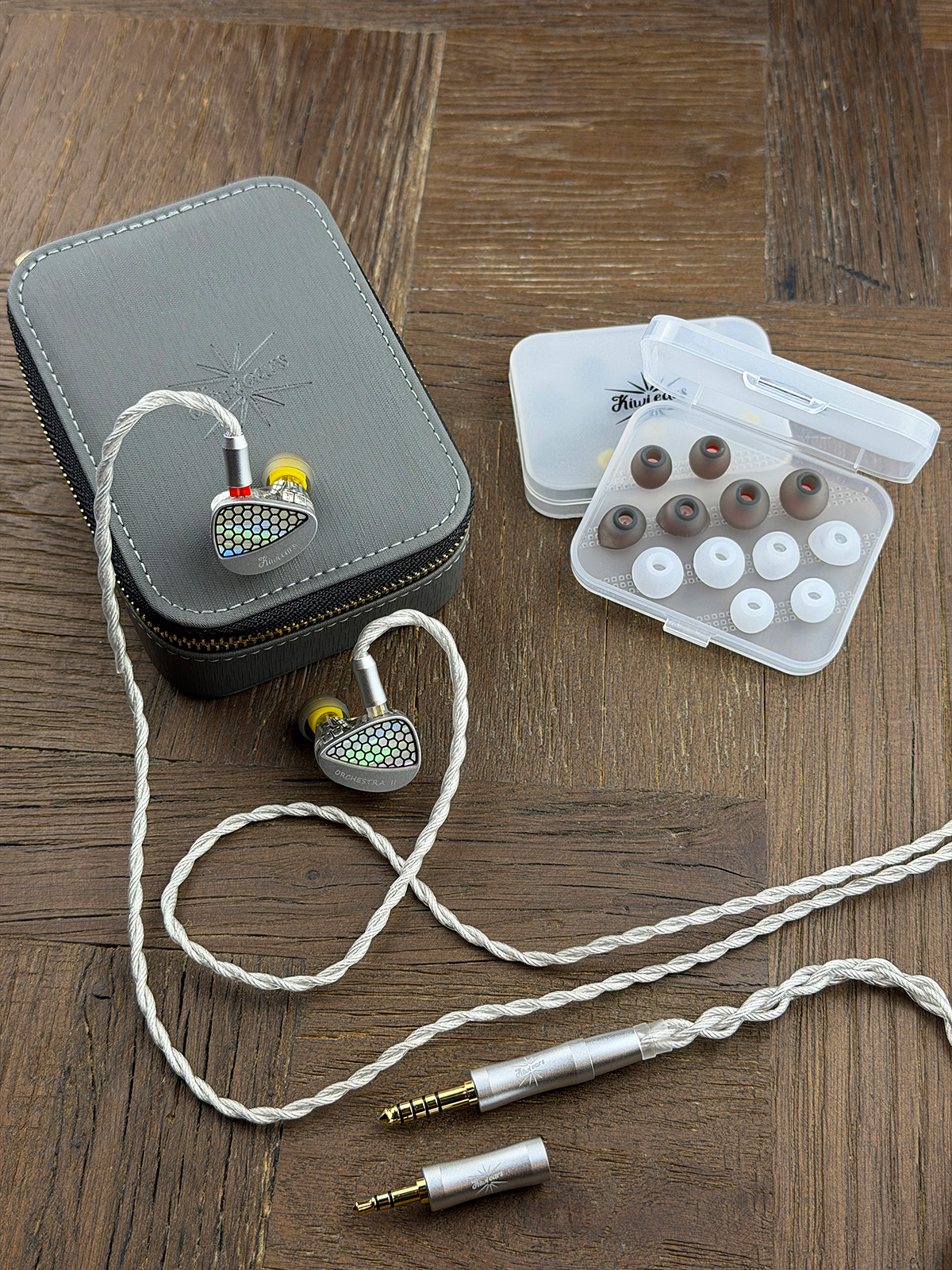
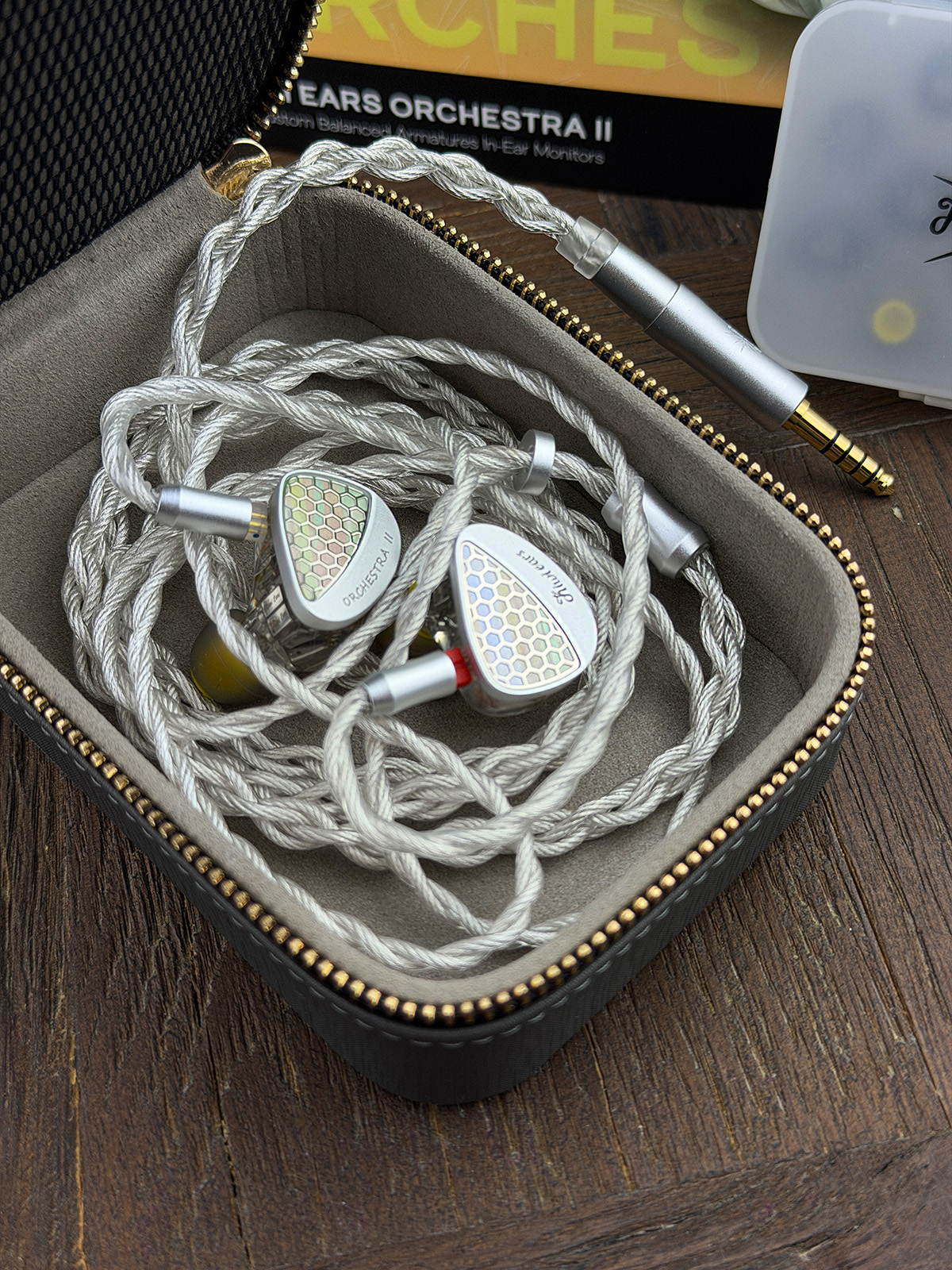
The Kiwi Ears Orchestra II arrives in a clean and well-organized package that covers all the essentials. Inside the box you’ll find the IEMs, a detachable high quality cable modular cable (3.5mm & 4.4mm) and a selection of silicone ear tips in various sizes. Also great protective carrying case and the usual documentation.
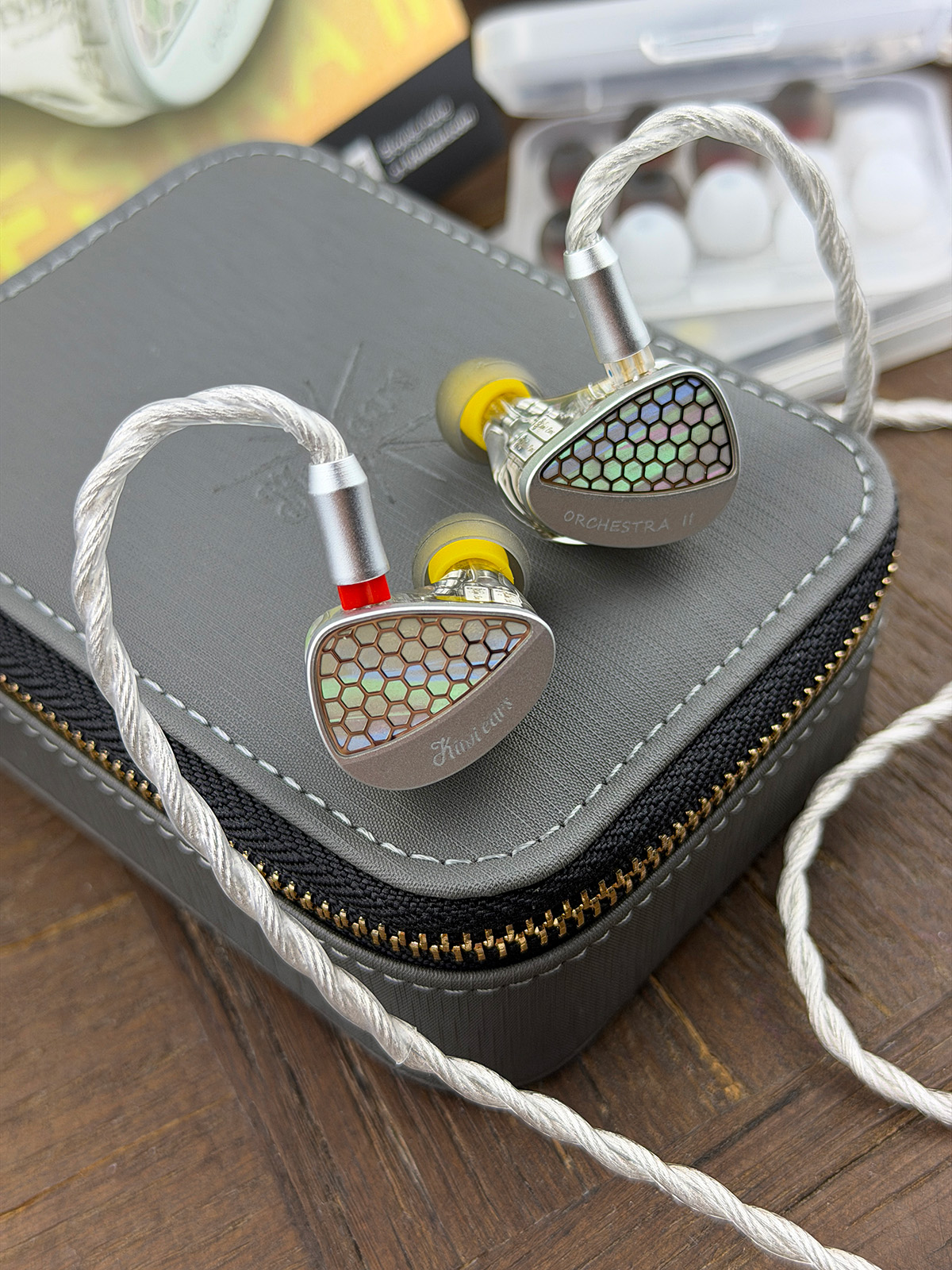
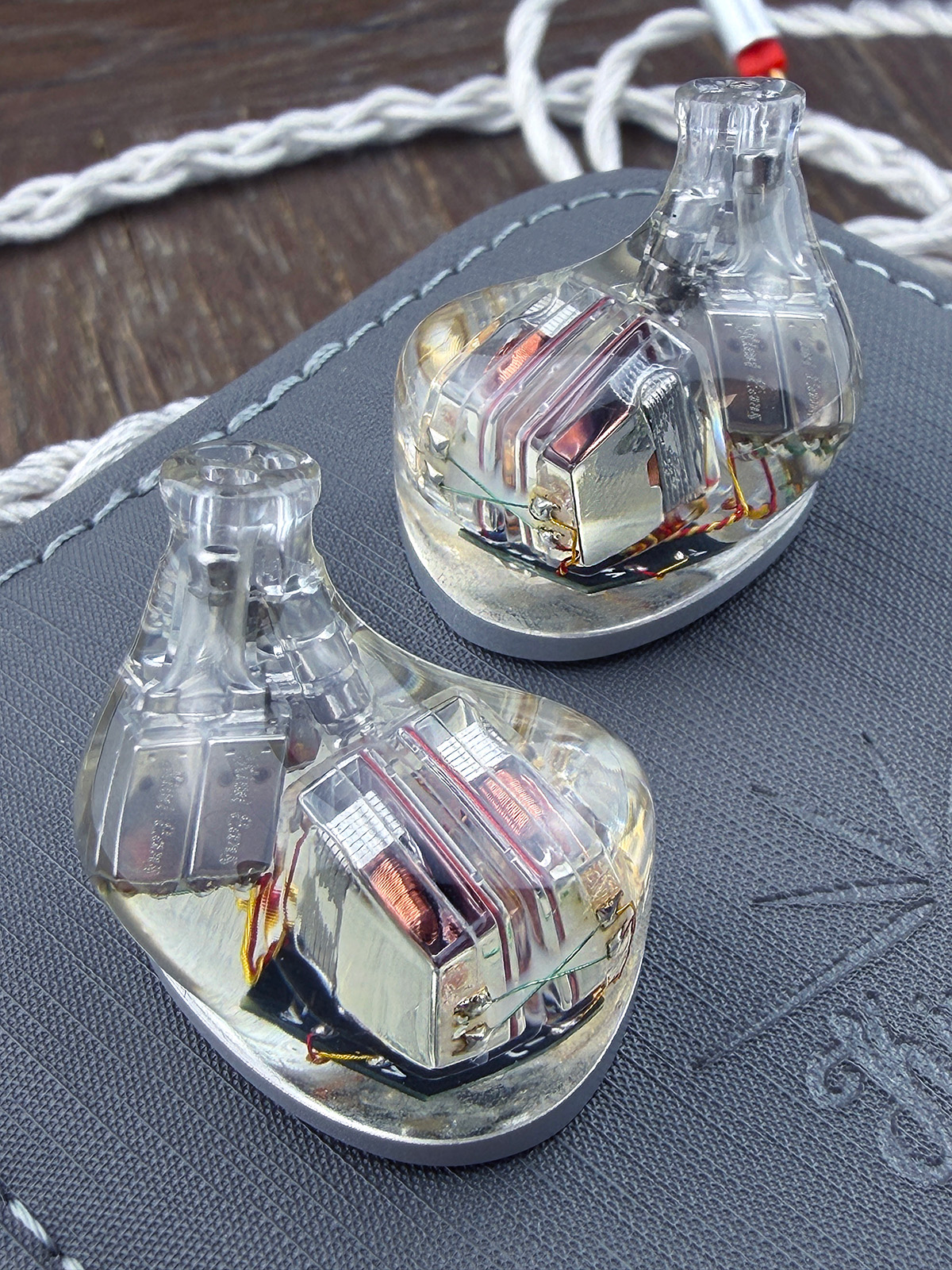
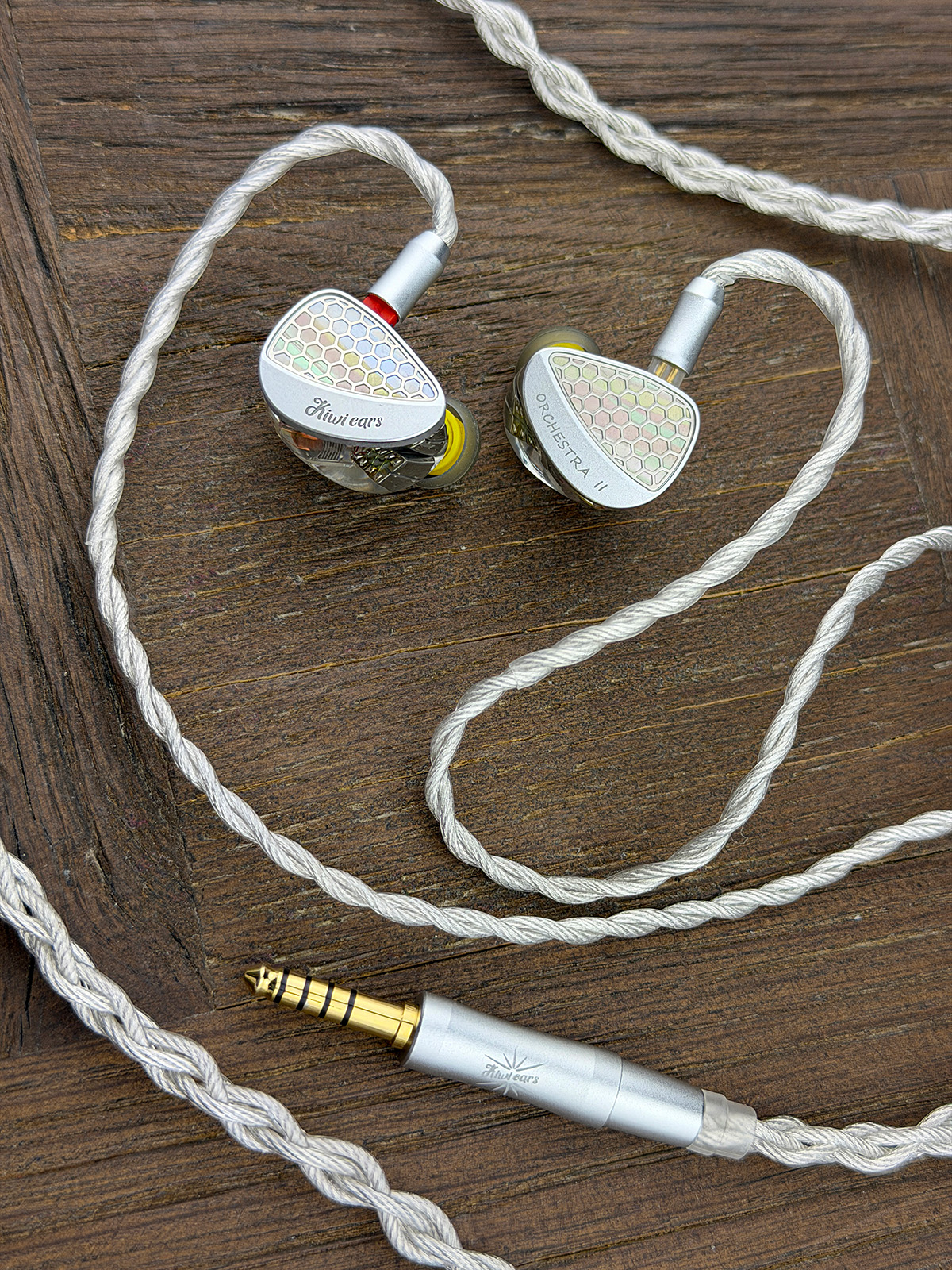
The Orchestra II uses transparent acrylic shells. The shells reveal the internal layout beautifully, showcasing the multi-driver configuration and even the crossover network is visible.
Although each side houses ten balanced armature drivers, the overall shape distributes weight evenly. The cable connects through two-pin connectors, with minimal to no cable noise during movement. The Kiwi Ears Orchestra II feels well put together, with quality materials and a smart set of included accessories.
Comfort & Fit
Although the complex internal layout and ten-driver configuration per side might suggest added weight, the Orchestra II is very comfortable once properly fitted. The acrylic shells are lightweight and nicely shaped, following the natural curve of the ear and providing a stable and secure fit, even during longer listening sessions.
As with many multi-BA designs, achieving the right seal is important. Ear-tip selection is an important role in both comfort and sound balance. Once the correct tips are chosen, isolation is very good and the Orchestra II stays firmly in place without needing frequent adjustment. Overall, comfort is well handled for an IEM of this size.
Technical Specifications
The Kiwi Ears Orchestra II is a fully balanced armature in-ear monitor featuring a ten-driver configuration per side. Each earpiece uses a carefully implemented multi-way crossover to divide frequency duties across dedicated drivers, ensuring controlled integration and consistent tonal balance across the spectrum.
The Orchestra II has a nominal impedance of around 19 ohms and a sensitivity of approximately 109 dB, making it easy to drive from a wide range of sources. Performing well with smartphones and dongle DACs. With a better source, like any high-end IEM, they scale up. A standard 0.78 mm two-pin connector is used for cable attachment, allowing easy cable replacement or upgrades. The supplied cable fis modulair, offering compatibility with 3.5 mm, 4.4 mm.
Specs
- 10 balanced armature drivers per side
- Multi-way crossover network
- Impedance: 15 Ω
- Sensitivity: 110 dB / mW
- Frequency response: 20 Hz – 20 kHz
- Shell material: Medical-grade acrylic
- Connector: 0.78 mm 2-pin
- Cable: modular cable with terminations 3.5mm & 4.4mm
What is in the box
-
Kiwi Ears Orchestra II IEM x 1 pair
-
Eartips (S/M/L) × 12 pairs
-
3.5mm plug x 1
-
4.4mm plug x 1
-
Single Crystal Copper Silver-Plated Cable (modulair)
-
Carrying Case x 1
Test equipment:
- Chord TT2 + Chord MScaler
- Shanling M8T
- Shanling UA7
- Mojo2+Poly
Sound quality
The Orchestra II contains 10 BA drivers. More drivers do not automatically guarantee better sound. You might expect a highly precise presentation, maybe even a touch of that clean and an analytical edge. And yes, with multi-BA designs, it is normal to anticipate the usual traits that come with the territory. In other words, you expect a classic ‘BA sound’, with its familiar strengths, but also the quirks that can sometimes show up.
Testing the sound quality of the Orchestra II, I was impressed. What stood out was the overall smoothness, but never in a way that felt softened or overly polished. The presentation remained open and airy, with treble detail fully intact and nothing missing up top. Even more surprising was the low end, which is exceptionally well executed. It delivers weight and texture in a way that almost makes the Orchestra II sound like a hybrid IEM with a dynamic driver, rather than a full balanced armature design. The bass had weight and character. I did not expect this level of performance from a full BA design, especially at this price point.
What surprised me most was the natural tonality. Vocals sound full, present and realistic. The presentation delivered a convincing sense of realism and weight. Instruments and vocals sounded well balanced.
The Orchestra II is neutral-warm tuned, with a reference-oriented balance that does not sound clinical. There is technical finesse, but it is paired with a sense of flow and musicality. Despite the sheer number of drivers, nothing sticks out, nothing feels stitched together. Bass, mids and treble connect effortlessly.
Treble
Treble is well extended, offering good clarity without beeing sharp. High frequencies are present, just in the right amount. There is detail and air without drawing unnecessary attention, in this regard the Orchestra II performs well above average. Cymbals and upper harmonics are controlled and precise, contributing to an open presentation while remaining comfortable over longer listening sessions.
Midrange
The midrange is smooth, balanced and consistent. Vocals are presented naturally within the mix and have body that sounds convincing, without becoming dominant. Instruments are presented with very good separation, while maintaining a natural sense of balance. There is no sense of driver or crossover issues. The midrange sound great, balanced across different genres and recordings.
Bass
The low end is one of the more surprising aspects of this IEM. Instead of sounding restrained or overly technical, the bass has clear presence and weight. It is fast and well controlled, but never thin. Sub-bass is audible and adds depth without pushing itself forward. The focus is on definition and control, not impact. This keeps bass lines clean and easy to follow, even in busier tracks.
Soundstage & Imaging
The soundstage is natural in size and proportion. It does not try to impress with exaggerated width, but it extends far enough to avoid sounding closed in. There is a clear space between instruments and recordings with depth actually benefit from it. Front-to-back placement is easy to perceive. The presentation and layering is excellent, without sounding artificial.
Imaging is solid, instruments are placed where they are supposed to be, even when the mix becomes busy. Nothing is blurred together unexpectedly. Separation is handled well, but never at the expense of the overall picture. You can focus on individual elements, or just enjoy the music.
LISTENING IMPRESSIONS
The tracks below were chosen to cover a wide range of sonic traits and support the impressions described above.

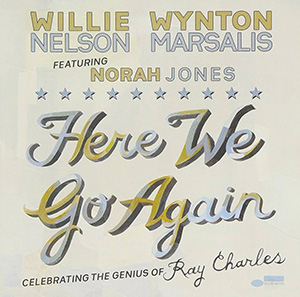
Come rain and shine – Norah Jones
This recording clearly showed the qualities of the Orchestra II. The ability to present Norah’s voice with body and control, without pushing them unnaturally forward is not an easy task in this recording. The live setting exposes any imbalance quickly. The vocal line remained stable and centered, with enough weight to the sound, while still leaving space for the surrounding instrumentation. The subtle reverb trails and the sense of space around the performance were clearly audible, but never exaggerated. The Orchestra II managed to keep the performance intimate without flattening the live stage and atmosphere.

Feeling of jazz – Wynton Marsalis
The Orchestra II showed its strength in midrange balance and separation. Individual instruments were clearly defined, but remained well integrated within the mix. Dianne Reeves’ vocals came through with convincing body and presence, while the hi-hat sounded natural and precise. Wynton Marsalis’ trumpet had a lifelike tone that made the performance felt close and engaging.
Timing and control play a major role here. The bass line was articulate and steady, providing structure without drawing attention to itself. The overall presentation felt composed.
Joe Bonamassa – Long distance blues
The Orchestra II handled the electric guitar very well, giving it enough bite and presence without sounding sharp or edgy. There was a clear sense of string texture and amplifier character, which helped the track retain its raw blues feel. The bass came through with proper weight and definition. The all-BA configuration did not soften or thin out the low end, an area where many balanced armature designs tend to struggle. Instead, the bass remained controlled and layered, supporting the track without becoming dominant.
Stacey Kent – L’étang
Stacey Kent’s voice was rendered with clarity and restraint, avoiding any hint of sharpness while preserving articulation. Sibilance was kept in check, but fine details such as breath and phrasing remained perfectly intact.
This arrangement leaves little room for error. The Orchestra II handled this with the right composure. Instruments were placed clearly around the vocal line, with a sense of space that dit not feel artificial. The soundstage was not exaggerated in width. The depth and positioning allowed the track to breathe, making the overall presentation feel very natural and focused.
Josh Groban – Mi Mancherai
Josh Groban’s voice was presented with solid weight, without becoming overly rich or pushed forward in the mix. The tonal balance kept his vocals natural and well defined, allowing phrasing and articulation to come through clearly.
Clarity and separation were strong, with the accompanying instruments supporting the vocal line without adding glare or emphasizing to the upper mids. Dynamic shifts were handled cleanly, preserving structure and control throughout the track. The presentation remained composed and stable.
Kiwi Ears Sonicap Carrying Case
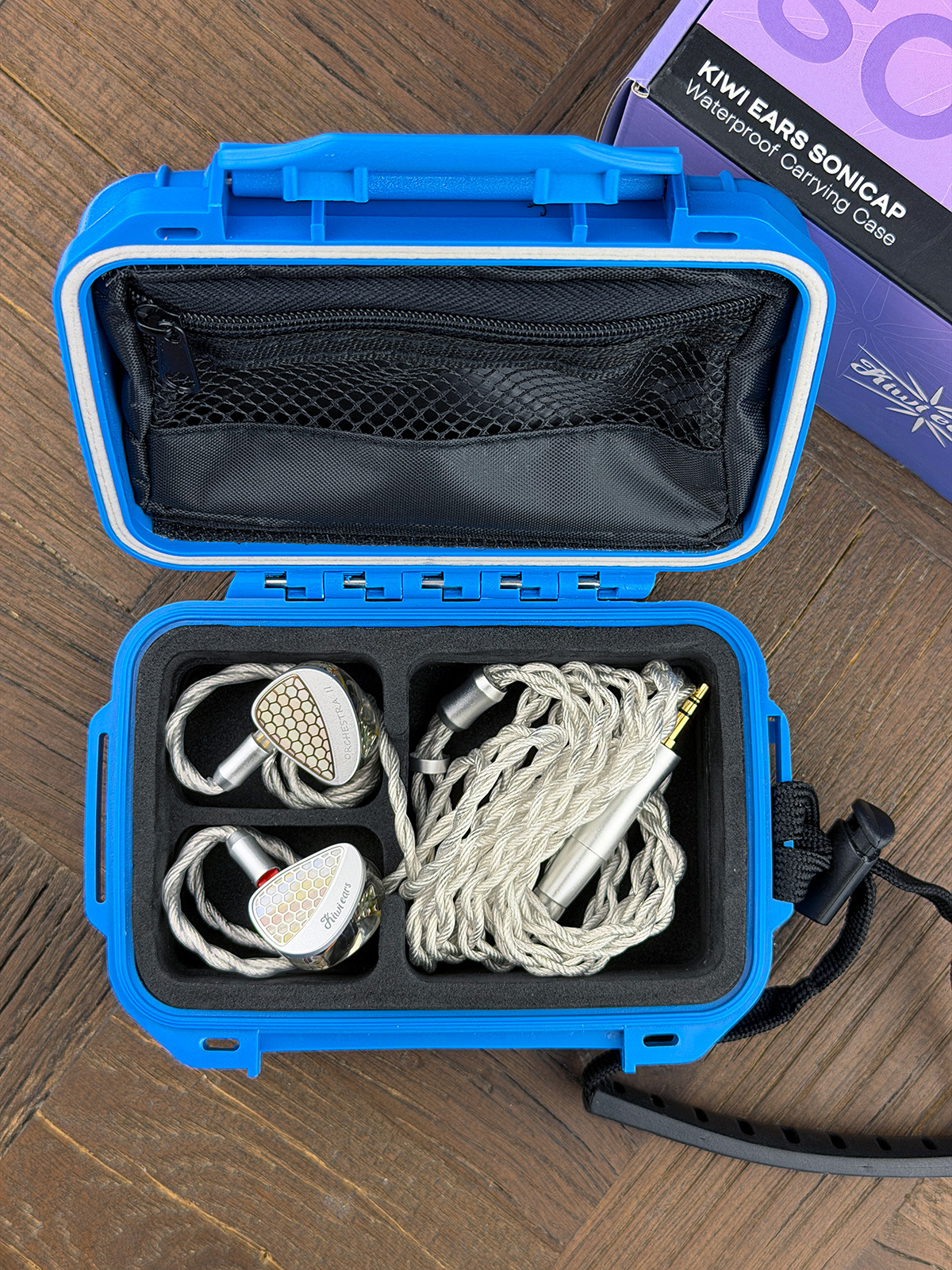
Alongside the Orchestra II, Kiwi Ears also provided us their waterproof carrying case to explore. The Kiwi Ears Sonicap is a compact carrying case built for everyday use and travel, combining strong protection and practical internal storage.
The dual layer design pairs a hard ABS outer shell for impact and crush resistance with shock absorbing padding inside, keeping your IEMs, cables and even a small dongle DAC safe. The interior offers enough space for your IEMs and cable, plus a (included)removable mesh pocket for small essentials. The case closes nicely with a secure snap lock and adjustable strap completes the package. It is a practical and lightweight option for anyone who wants reliable protection on their adventures: Kiwi Ears Sonicap
Conclusion
The Orchestra II’s presentation and packaging is clean and well thought out. The IEMs themselves are well finished, featuring a nice transparent shell. Material choises are solid and give a good impression. Despite their size, they are very comfortable for long listening sessions. A high-quality modular cable is included, adding to the overall sense of quality. The Orchestra II feels well built and thoughtfully put together.
The tuning focuses on balance and control instead of trying to impress with a specific flashy tuning. Across various genres, the tuning is stable and consistent. Vocals and midrange stay clearly defined and easy to follow. Nothing is pushed forward unnecessarily, the presentation avoids artificial emphasis.
Midrange is detailed and smooth, the treble extends without introducing sharpness. In the low frequencies, the Orchestra II manages to address the common pitfalls of many full BA designs. There is enough sub-bass presence to provide rhythm sections a decent foundation. Bass lines are detailled and supportive but never dominant. Soundstage and imaging are handled well. The stage offers a clear sense of width and depth. Placement remains stable and easy to follow, whether the music is relaxed and spacious or more energetic and layered.
The Orchestra II avoids extremes. It is neither a heavily flavored IEM, nor is it dry and analytical. There is a careful balance between engagement and control.
If you value tonal balance and prefer to avoid overly dramatic tuning choices, the Orchestra II is a well-executed option in this segment.
At jjazzifi, the Orchestra II is regarded as a very solid and convincing IEM. Well done Kiwi Ears!
Pros
- Balanced and natural tuning
- A Clear and well-defined midrange
- Tight, controlled bass with good sub-bass presence
- Excellent bass for a full multi BA design!
- Clean treble with good extension and no harshness
- Precise imaging and stable layering
- Consistent performance across different music styles
Cons
- Not aimed at bass-heavy listeners
- Fit and shell size may not suit every ear
- Neutral tuning may feel too safe for those seeking a more flavored sound
- A non-vented design may cause pressure buildup for some listeners